



Personal Finance

Home Personal Finance
Personal finance advice and guides

Best Side Hustles From Home: 12 That Actually Pay in 2026

best side hustles from home setup showing laptop and notebook on a kitchen table in morning light

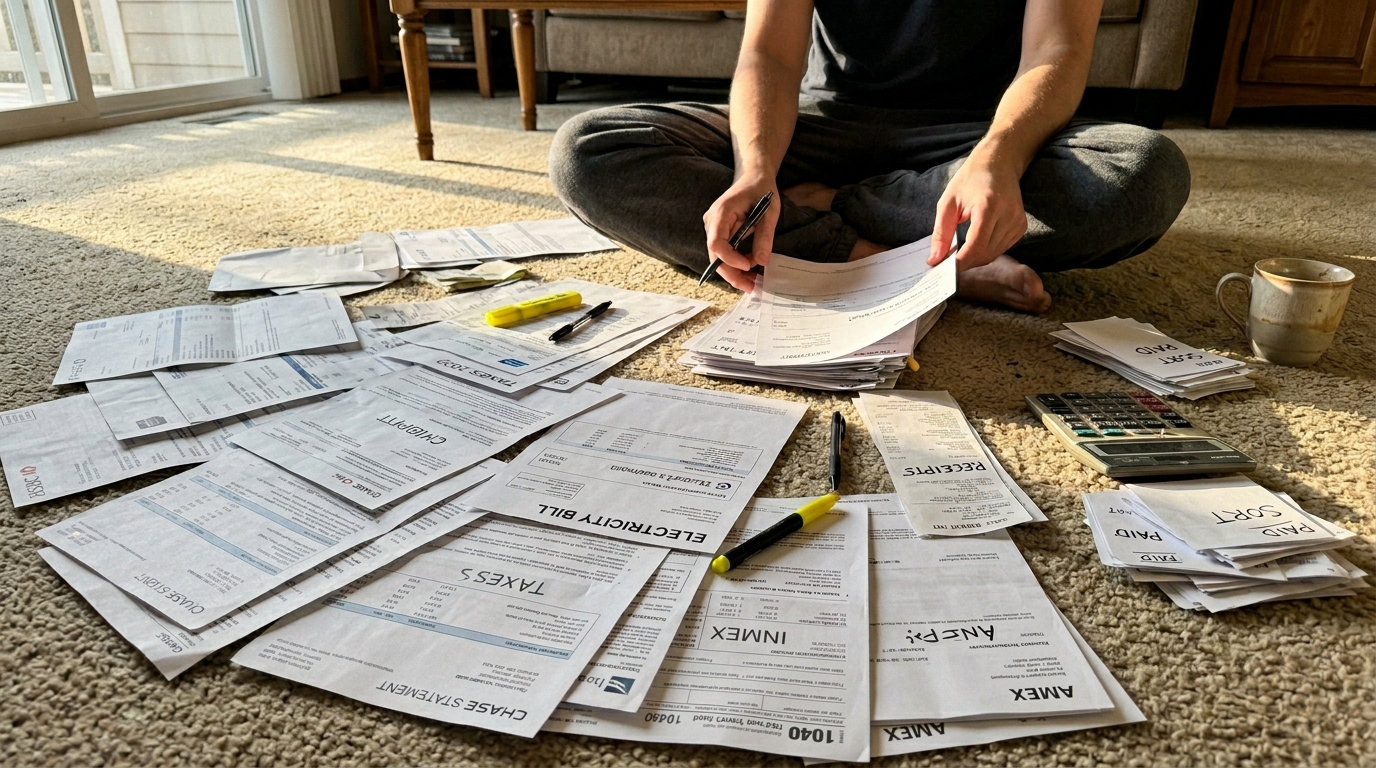
The moment you realize your paycheck is not keeping up with your bills is specific. Mine was a Tuesday in February, staring at a grocery receipt that was $60 more than it had been a year ago for the same cart of food. I did not need a side hustle to get rich. I needed one to stop the slow bleed.

The best side hustles from home are not about passion projects or building a personal brand. They are about finding something you can do in real hours, from your actual home, that pays a real number into your bank account. This list is filtered by exactly that.

No MLM. No “earn passive income while you sleep” nonsense. No setup costs that wipe out three months of earnings before you see a cent.

38%
Americans with a side hustle
LendingTree, 2025
$400
Median monthly side hustle income
LendingTree, 2025
61%
Say life would be unaffordable without it
LendingTree, 2025

According to LendingTree’s 2025 Side Hustle Survey, the median side hustle earns $400 a month, but the average is $1,215. That gap is real. The difference is almost always which hustle they picked and whether they treated it like a job from day one.

THE LIST

The Best Side Hustles From Home in 2026

These are ranked by realistic earning potential for someone starting from zero with no existing audience and no specialist equipment.

01
Freelance writing and copywriting

Realistic monthly earning: $500 to $3,000+

Freelance writing has the lowest barrier to entry of any skilled side hustle. You need a laptop, an internet connection, and the ability to write clearly. The ceiling is high because good writers who can produce SEO content, email copy, or product descriptions are consistently in demand from small businesses that cannot afford a full-time hire.

Start on Upwork or through cold outreach to small business owners in niches you already know. The first three months are the hardest because you are building a portfolio with no portfolio. Take lower-paid work initially, do it well, collect testimonials, raise your rates. Most freelance writers who treat it seriously clear $1,000 a month within six months.

THE MOVE

Pick one niche before you start pitching. “I write for SaaS companies” gets replies. “I write anything” gets ignored. Specialization is how you charge more faster.

02
Virtual assistant work

Realistic monthly earning: $600 to $2,500

Virtual assistants handle the operational overflow for small business owners: inbox management, scheduling, research, data entry, customer service, social media posting. It is not glamorous work, but it is steady and the demand is consistent. Rates typically run $15 to $35 per hour depending on the tasks involved.

The best places to find VA work are Belay, Time Etc, and Upwork. If you have any background in admin, operations, or customer service, you already have the skills. The only thing you need to add is reliability, which is what most clients are actually paying for.

03
Online tutoring

Realistic monthly earning: $400 to $2,000

If you have a degree, teaching experience, or genuine expertise in any subject, online tutoring is one of the most direct best side hustles from home available. Platforms like Wyzant, Tutor.com, and Varsity Tutors connect you with students who are already looking. Rates range from $20 to $80 per hour depending on the subject and level.

04
Bookkeeping and accounting

Realistic monthly earning: $1,000 to $4,000

Small businesses need bookkeeping done every month and most of them hate doing it themselves. If you have any accounting background or are willing to get a QuickBooks certification (roughly 10 to 20 hours of study, around $150 for the certification), you can pick up two or three small business clients and earn $300 to $500 per client per month for work that takes a few hours.

This is one of the highest-earning home side hustles with the lowest startup cost relative to earnings. Most clients are found through local small business networks, LinkedIn, or accountant referral networks.

05
Selling on Etsy or eBay

Realistic monthly earning: $200 to $2,000

Etsy works for digital products (printables, templates, SVG files, planners) or handmade physical goods. Digital products are the better starting point because you make them once and sell them repeatedly with no fulfillment work. A well-optimized Etsy shop selling printable budget planners or wall art can earn $300 to $800 a month passively after the initial setup investment.

eBay works best if you have a source of inventory: thrift store finds, storage unit auctions, or clearance items you can resell at a margin. Many people start by selling things they already own and build from there.

06
Transcription and captioning

Realistic monthly earning: $200 to $800

Transcription pays $0.45 to $1.50 per audio minute depending on the platform and difficulty. It requires no skills, no pitching, and no client relationships. You sign up, pass a short test, and start taking work. Rev and Scribie are the main platforms.

This is genuinely entry-level. If you type fast and have a good ear, you can earn $200 to $400 a month working evenings. It is not a long-term earner but it is one of the fastest ways to start seeing money from home with no setup at all.

WORTH KNOWING

Transcription rates have compressed over the past two years as AI tools have improved. The human-reviewed market still pays, but do not build a long-term income plan around it. Use it to build cash while you develop a higher-skill hustle.

07
Social media management

Realistic monthly earning: $500 to $2,500

Small businesses know they should be posting consistently on Instagram and Facebook. Most of them do not have time to do it and do not want to hire a full-time employee for it. A social media manager who handles content creation, scheduling, and basic engagement for $500 to $800 per month per client is an easy yes for a business that would otherwise pay a full-time hire $3,000 to $4,000 a month.

You need basic graphic design skills (Canva is sufficient), an understanding of what performs on each platform, and the ability to write short-form copy. Two clients at $600 each is $1,200 a month for roughly 10 to 15 hours of work per week.

08
Online surveys and user testing

Realistic monthly earning: $50 to $200

This is the lowest earner on the list and the one most overhyped by get-rich-quick content. Survey platforms like Swagbucks, Survey Junkie, and UserTesting pay real money for real time, but the ceiling is low. UserTesting pays $10 per 20-minute session with limited availability. Survey platforms pay $1 to $5 per survey with unpredictable frequency.

The honest case for including it: it requires zero skill, zero setup, and can be done in dead time. Use it to fund a specific small goal, not as a primary income source.

09
Proofreading and editing

Realistic monthly earning: $400 to $1,800

If you have a strong command of grammar and an eye for detail, proofreading is a legitimate side hustle with a real market. Students, small business owners, bloggers, and self-publishing authors all need proofreaders. Rates run $0.01 to $0.03 per word for proofreading and $0.03 to $0.07 per word for developmental editing.

You can start without formal training by building a portfolio through Fiverr, Reedsy, or direct outreach to self-publishing communities on Reddit and Facebook.

10
Selling digital products

Realistic monthly earning: $100 to $2,000+ (passive after setup)

Digital products are the closest thing to genuine passive income that actually works. You create a template, spreadsheet, guide, preset, or course once, list it on Gumroad or Etsy, and collect payments without fulfillment work. The catch is that without an audience or SEO traffic pointing to your product, you will sell nothing.

The realistic path: build one digital product tightly focused on a specific problem, price it between $7 and $29, list it on Etsy (which has built-in search traffic), optimize the listing with keywords, and build from there. The first $100 takes the longest. The next $100 takes less.

11
Remote customer service

Realistic monthly earning: $800 to $1,800

Companies like Amazon, Apple, and hundreds of mid-sized e-commerce businesses hire remote customer service contractors. Pay runs $12 to $18 per hour. The work is handling calls, chats, or emails for products you did not make, which is not exciting, but the hours are defined, the pay is reliable, and you can do it entirely from home.

This is the most job-like option on this list. If what you need is predictable income rather than entrepreneurial upside, it is one of the most reliable best side hustles from home for people who want structure over flexibility.

12
Freelance graphic design

Realistic monthly earning: $600 to $3,500

If you can use Canva at an advanced level or have experience with Adobe software, freelance graphic design is a high-demand skill. Social media graphics, logo design, pitch deck design, and email template design are all consistently needed by small businesses. Fiverr, 99designs, and direct outreach to small businesses are the main acquisition channels.

The difference between a $15 per hour designer and a $60 per hour designer is usually specialization and portfolio quality, not raw skill. Pick one deliverable type, build five strong portfolio examples, and price confidently.

QUICK COMPARISON

All 12 Side Hustles From Home at a Glance

Side Hustle Monthly Potential Skill Required Time to First Dollar
Freelance writing $500 to $3,000+ Medium 1 to 4 weeks
Virtual assistant $600 to $2,500 Low to medium 1 to 3 weeks
Online tutoring $400 to $2,000 Medium 1 to 2 weeks
Bookkeeping $1,000 to $4,000 High 2 to 6 weeks
Etsy / eBay selling $200 to $2,000 Low to medium 2 to 6 weeks
Transcription $200 to $800 Low Days
Social media management $500 to $2,500 Medium 1 to 4 weeks
Surveys / user testing $50 to $200 None Same day
Proofreading $400 to $1,800 Medium 1 to 3 weeks
Digital products $100 to $2,000+ Medium 4 to 12 weeks
Remote customer service $800 to $1,800 Low 1 to 3 weeks
Freelance design $600 to $3,500 High 1 to 4 weeks
HOW TO PICK

How to Choose the Right Side Hustle From Home for You

The wrong question is “which side hustle makes the most money.” The right question is “which side hustle can I actually do consistently for the next six months given my current schedule, skills, and energy levels.”

If you have 10 hours a week and no specialized skills, start with virtual assistant work or transcription while you build toward something higher-ceiling. If you have a specific skill like writing, design, or accounting, skip the low-end platforms and go straight to direct client outreach. The fastest path to $500 a month is always leveraging something you already know.

The one mistake that kills most side hustles before they pay anything: treating the first two months like a test you can quit if it does not immediately work. Every income source on this list has a ramp-up period. The people earning $1,200 a month from home are almost always the people who kept going past the point where most people quit.

WHERE TO START

If your goal is $400 to $500 extra per month and you have 8 to 10 free hours per week, virtual assistant work or freelance writing will get you there fastest. If you are willing to invest 3 to 4 months building something with a higher ceiling, digital products or bookkeeping will compound better over time.

The Side Hustles That Actually Pay

The median side hustle earns $400 a month. The average earns $1,215. That gap is not luck. It is which hustle you picked, whether you specialize, and whether you treated it like a real income source from day one. Pick one from this list. Give it 90 days of consistent effort. The money is real, it just does not arrive on day one.

If you are building side income to cover a specific gap in your budget, this guide to cutting monthly expenses covers the other side of the equation. And if grocery costs are part of the pressure, 15 ways to save money on groceries is a good companion read.

15 Ways to Save Money on Groceries: Ranked by Actual Dollar Impact

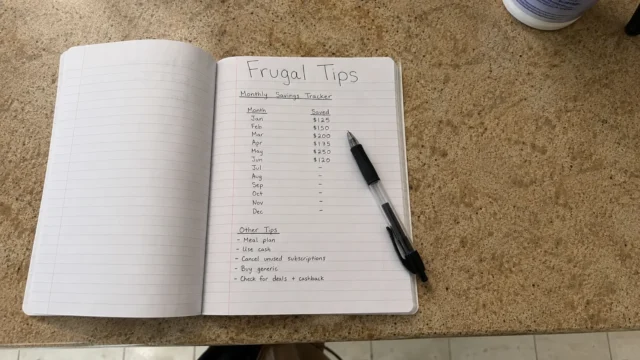
person writing grocery list at kitchen counter with phone showing weekly budget

The average American household spends $519 a month on groceries, according to the BLS Consumer Expenditure Survey. That is $6,228 a year. And the USDA Food Price Outlook projects food-at-home prices will rise another 3.1% in 2026.

Most people respond by trying harder: more coupons, more store-brand swaps, more willpower at checkout. None of that is wrong. But it is also not where the real money is going.

These 15 ways to save money on groceries are ranked by realistic monthly dollar impact, not by how often they get mentioned in listicles. The ones at the top move the number. The ones at the bottom are still worth doing, just not worth starting with.

THE LIST

Ways to Save Money on Groceries: All 15 Ranked

01
Reduce food waste first

Realistic monthly saving: $60 to $120 per household

The EPA estimates the average American wastes $728 per person per year on food they buy and never eat. That is $60 a month, per person, going directly in the bin. For a two-person household, that is $120 a month in food waste before a single bad spending decision is made.

This is the most overlooked way to save money on groceries because it requires no sacrifice, only attention. Before your next shop, open the fridge and write down what needs to be used this week. Build at least two meals around those ingredients. The savings are immediate.

02
Meal plan before every shop

Realistic monthly saving: $78 to $104

Research consistently shows that households that meal plan spend 15 to 20% less on food overall. On a $519 monthly grocery bill that is $78 to $104 a month, or roughly $1,000 a year, from one habit that takes ten minutes a week.

The mechanism is simple. Plan five dinners before writing the list. Buy exactly what those five dinners need. When you skip this step, you buy ingredients for three dinners loosely, cook two of them, and throw out everything that was supposed to become dinner three.

THE ACTUAL MOVE

Before writing the shopping list, check what you already have. Build meals around what needs to be used first. This alone cuts waste by a third for most households, because half the food you buy to replace something you think you’re out of is already in the back of the cabinet.

03
Switch your primary store to Aldi or Walmart

Realistic monthly saving: $60 to $150

Store selection is the most underleveraged way to save money on groceries. Most people shop at whatever store is most convenient and never reconsider it. A 2025 Ramsey Solutions analysis found Aldi prices averaging 14 to 40% lower than conventional supermarkets on comparable items.

For staples like produce, dairy, eggs, canned goods, and frozen vegetables, Aldi is hard to beat. Most households that switch save $80 to $150 per month without changing what they eat. Walmart Grocery consistently beats traditional supermarkets on name-brand pricing and is the better option for households who want low prices without Aldi’s limited selection.

04
Set a dollar limit before you leave the house

Realistic monthly saving: $30 to $80 (stops budget creep)

Most people go to the grocery store with a list but no budget. The list tells you what to buy. The budget tells you when to stop. Without a specific number in mind, every extra item feels individually reasonable and collectively expensive.

Write the number down before you leave. Track your running total as you shop. This sounds tedious and stops being tedious after three or four shops, because you develop an accurate intuitive sense of what things cost. Most people who do this for a month find they never need to tally again.

05
Switch 10 to 15 staples to store brand

Realistic monthly saving: $30 to $60

On canned goods, pasta, rice, oils, frozen vegetables, cleaning products, and paper products, store brand quality is functionally identical to name brand in most categories. The price difference is 20 to 40% lower.

The approach that works: look at your last receipt, identify 10 items you buy every week without variation, switch those to store brand. Notice which ones you cannot tell the difference on. Keep those switches permanently. Switch back on anything you actually care about. Within a month you have a permanent list of swaps that save $30 to $60 every shop with no real compromise.

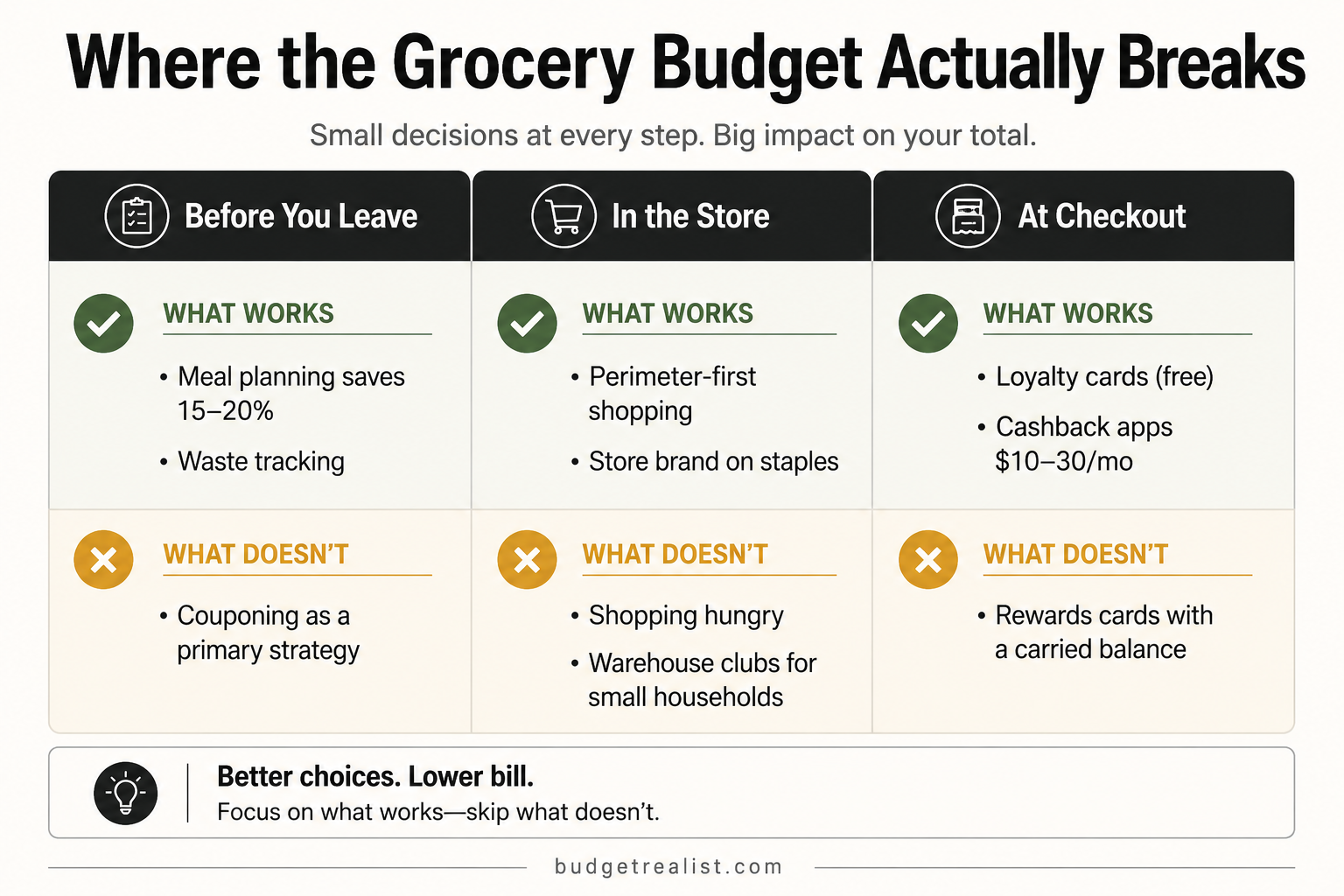
ways to save money on groceries breakdown showing 15 tactics ranked by dollar impact

06
Shop the perimeter of the store first

Realistic monthly saving: $20 to $50 (blocks impulse spending)

The perimeter of most grocery stores is produce, meat, dairy, and bread. These are whole ingredients. The interior aisles are mostly processed and packaged goods, which carry significantly higher margins for the store and significantly lower nutritional density for you.

Shop the perimeter first, with your list. Go into the interior aisles only for specific items you planned for. Getting what you need from the perimeter before entering the aisles means you have already filled most of the cart with intentional purchases before you hit the most heavily marketed products in the store.

07
Use your store’s loyalty card

Realistic monthly saving: $15 to $40

Every major grocery chain has a free loyalty card that unlocks member pricing. If you shop at Kroger, Safeway, Albertsons, or any regional chain and you are not using their loyalty program, you are paying the non-member price on dozens of items every shop. The sign-up takes two minutes and the savings are immediate.

Kroger’s loyalty program includes fuel points on top of grocery discounts. Safeway’s Just for U program personalizes offers based on what you actually buy. These are not gimmicks. They return real money on items you were already buying.

08
Use cashback apps on items already on your list

Realistic monthly saving: $10 to $30

Ibotta and Fetch are the two worth using. Ibotta works by activating offers before shopping and scanning receipts after. Fetch gives points on any receipt from any store, redeemable for gift cards. Both can realistically return $10 to $30 a month on a normal grocery run with zero change to what you buy.

The rule applies strictly: only activate offers for things already on your list. The moment you buy something because there is a cashback offer on it, you have turned a saving into a spending trigger.

09
Eat before you shop

Realistic monthly saving: $15 to $40 (stops hunger impulse buys)

This is not a wellness tip. It is a financial one. Studies consistently show people buy more calories, more impulse items, and more expensive convenience foods when shopping hungry. A $12 rotisserie chicken that was not on the list because you smelled it walking past the deli is a $12 leak that no coupon will recover.

Eat before you shop, every time. It is one of the simplest ways to save money on groceries with zero ongoing effort.

10
Buy frozen vegetables instead of fresh for cooking

Realistic monthly saving: $15 to $35

Frozen vegetables are picked and frozen at peak ripeness, which means nutritional content is comparable or better than fresh produce that has been sitting in transit and on shelves for days. The price per serving is significantly lower, and there is no spoilage.

Fresh vegetables make sense where texture matters, like salads and crudites. For everything cooked, soups, stir fries, casseroles, pasta dishes, frozen is functionally identical and meaningfully cheaper. Switching half your vegetable buying to frozen saves $15 to $35 a month for most households.

11
Plan lunches around dinner leftovers

Realistic monthly saving: $20 to $50

Lunch is where grocery budgets bleed quietly. Buying sandwich ingredients, snacks, and convenience lunch items for five days a week adds up fast and produces a disproportionate amount of waste because people’s lunch habits are inconsistent.

Cook slightly more at dinner. Eat it for lunch the next day. This eliminates an entire shopping category and reduces the likelihood of grabbing something expensive because there is nothing easy at home. For a two-person household, this saves $20 to $50 a month without any meaningful sacrifice.

12
Use coupons only on items already on your list

Realistic monthly saving: $5 to $20

Coupons are not bad. But they are the wrong thing to optimize for when you are trying to cut your grocery bill meaningfully. A 50 cent coupon on a $4 item saves 12.5%. Finding out you already have two of that item at home saves 100%.

Coupons reward buying more of things. Most grocery budgets are already buying too much of things. Use coupons only on items that are on your list anyway. Do not let them dictate the list. That is the line between saving and spending.

2026 TARIFF NOTE

Tariffs on imported goods in 2026 are pushing above-trend price increases on coffee, cocoa, tropical fruits, and some seafood. If those are staples in your household, expect your grocery bill to feel higher than the USDA benchmarks suggest, and prioritize substitutes where you can.

13
Skip organic except where it matters to you specifically

Realistic monthly saving: $15 to $40

Organic produce costs 20 to 100% more than conventional for nutritionally comparable food. If budget is the primary concern, conventional is the right choice across the board. If you have strong preferences about specific items, buy organic selectively on those and conventional on everything else.

Most people who audit their organic buying find three or four items they genuinely care about and a dozen they were buying out of habit. Keeping the three, dropping the dozen, saves real money with no real sacrifice.

14
Use bulk buying selectively on non-perishables

Realistic monthly saving: $10 to $30 (when used correctly)

Costco and Sam’s Club are genuinely cheaper per unit on many items. But the savings only materialize if you actually use what you buy before it expires. A 5lb bag of spinach is not cheaper per ounce if you throw out 3lbs of it.

Bulk buying makes sense for: non-perishables you go through reliably, paper products, canned goods, rice, pasta, cooking oil, and households of three or more people. It does not make sense as a general grocery strategy for smaller households or for anything perishable that exceeds your realistic weekly consumption.

15
Plan your first shop of the month around a pantry audit

Realistic monthly saving: $20 to $40

Most households have $50 to $100 worth of food sitting in their pantry at any given time that never gets used because it gets pushed to the back and forgotten. The pattern that shows up constantly: buying a second jar of something you already had, or buying ingredients for a recipe you never cooked and never will.

Once a month, before the first major shop, do a full pantry and freezer audit. Write down everything. Build two or three meals entirely from what you find. Then shop only for what those meals are missing plus your weekly list. One habit, once a month, consistently returns $20 to $40 in food you would have otherwise replaced.

THE SCORECARD

All 15 Ways to Save Money on Groceries: Dollar Impact at a Glance

Tactic Monthly Saving Effort
Reduce food waste $60 to $120 Low
Meal planning $78 to $104 Low (10 min/week)
Switch to Aldi or Walmart $60 to $150 One-time decision
Set a dollar limit before leaving $30 to $80 Low
Store brand on 10-15 staples $30 to $60 None once habit forms
Shop perimeter first $20 to $50 None
Loyalty card $15 to $40 One-time setup
Cashback apps (Ibotta, Fetch) $10 to $30 Low
Eat before shopping $15 to $40 None
Frozen veg instead of fresh for cooking $15 to $35 None
Leftovers for lunch $20 to $50 Low
Coupons on list items only $5 to $20 Low
Skip organic selectively $15 to $40 One-time audit
Selective bulk buying $10 to $30 Medium
Monthly pantry audit $20 to $40 Low (once/month)
REALISTIC TOTAL

Running all 15 together, a typical household can realistically save $200 to $350 per month on groceries. That is not a coupon strategy. That is a system where every habit compounds on the last one.

WHERE TO START

How to Actually Use These Ways to Save Money on Groceries

Do not try to implement all 15 in the same week. That is how grocery saving projects become abandoned grocery saving projects.

Start with the top three: reduce waste, meal plan, and switch your primary store. Those three alone move most households $150 to $200 per month before anything else changes. Once those are running automatically, layer in the store brand swaps, the loyalty card, and the cashback apps.

By the time all 15 habits are in place, you are looking at a fundamentally different relationship with the grocery store. Not a tighter one, a smarter one.

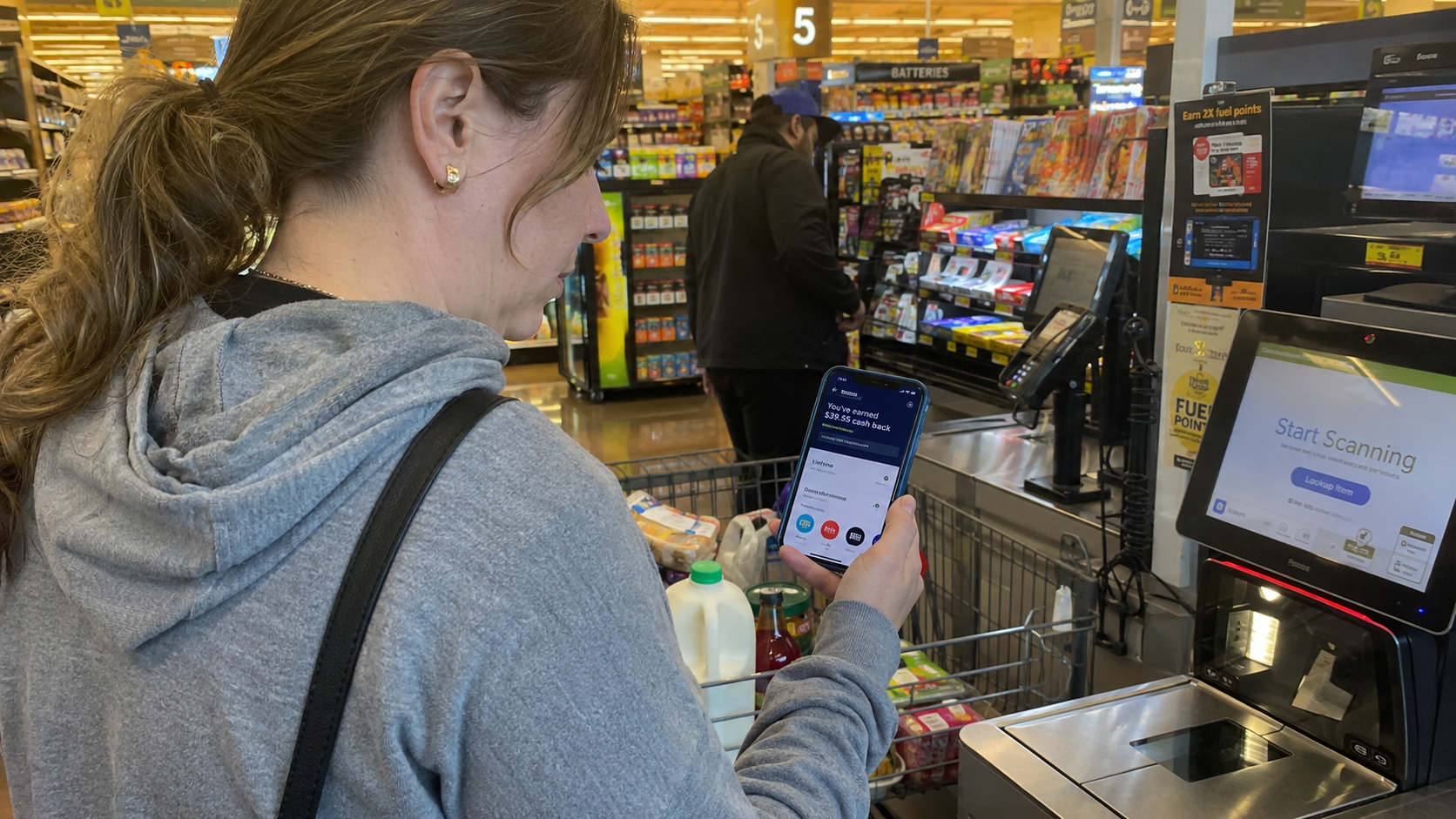
person using cashback app at grocery checkout as one of 15 ways to save money on groceries

BOTTOM LINE

The Ways to Save Money on Groceries That Actually Move the Number

Waste reduction and meal planning are where the real money is. Everything else is optimization on top of a foundation that either exists or doesn’t. Get those two right first, then build the rest of the system around them.

The grocery bill is one of the fastest-moving levers in a household budget because it is a recurring expense with compounding returns. Every week you run the system, you save again. Every week you do not, you do not.

If you want to go deeper on the store selection decision, this breakdown of the 4 decisions that cut your grocery bill covers the framework behind where to shop and how to benchmark your spending against USDA data. And if the grocery bill is part of a bigger budget problem, this guide to cutting monthly expenses covers the full picture.

Which Budgeting Method Is Actually Best for You: 4 Simple Ways to Choose

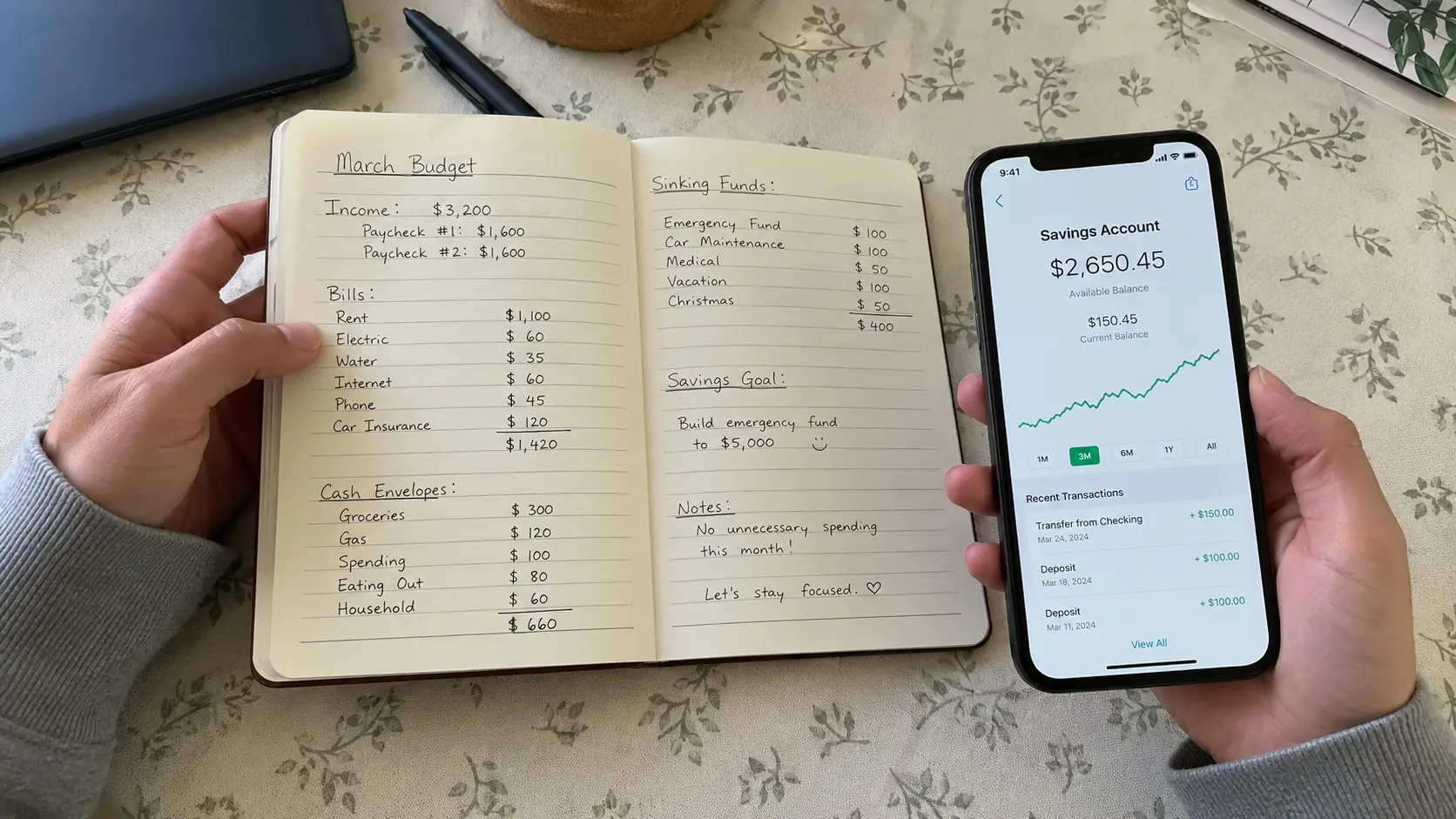
which budgeting method is best comparing options on phone

It’s one of the most common patterns in personal finance: someone spends months trying a budgeting method, getting nowhere, and concludes they’re just bad with money.

Usually they’re not. They picked the wrong system for their actual problem. The method didn’t match how they live.

The question of which budgeting method is best doesn’t have one universal answer. But it does have the right answer for you, based on a few things that most articles skip right over.

Here’s how to figure it out, fast.

THE METHODS

The 4 Main Budgeting Methods (and Who Each One Is Actually For)

Before you can answer which budgeting method is best for your life, you need to know what’s on the table. These are the four methods that actually work for everyday people, based on how widely they’re used and how much research backs them. Each one solves a different problem, which is exactly why figuring out which budgeting method is best starts with identifying your problem first.

1. The 50/30/20 Rule

Split your take-home pay three ways: 50% to needs, 30% to wants, 20% to savings and debt. Simple percentages, no spreadsheet required.

Best for: People who want a loose framework with no tracking. If you hate the idea of logging every coffee, this gives you permission to spend within bands without obsessing over categories.

The catch: In expensive cities or on lower incomes, the 50% needs bucket fills up fast, often leaving nothing for the other two. It doesn’t work as cleanly as it sounds for most people right now.

HEADS UP

According to a Discover survey, 64% of Americans didn’t create a budget at all in 2024. The best budgeting method is the one you’ll actually use, not the most sophisticated one.

2. Zero-Based Budgeting

Every dollar gets a job. Income minus expenses equals zero, not because you spend everything, but because you assign every dollar intentionally, including savings and investments.

Best for: People who want complete control and are willing to put in the time each month. If you’ve ever wondered where your money went, zero-based budgeting answers that question definitively.

The catch: It takes work. You’re rebuilding the budget from scratch each month. Tools like YNAB make it manageable, but it’s not a set-and-forget system.

See a real zero-based budget on a $48,000 salary here.

3. The Cash Envelope Method

You withdraw physical cash for each spending category and put it in labeled envelopes. When the envelope is empty, spending in that category stops.

Best for: People who overspend in specific areas and want a hard stop. The physical act of handing over cash creates friction that digital spending doesn’t. It’s especially useful for groceries, dining out, and entertainment.

The catch: It’s awkward in a world built for cards and contactless payments. Most people use a hybrid: digital for fixed bills, cash envelopes for variable spending categories.

Here’s how to make it work even if you hate carrying cash.

4. Pay Yourself First

Before you pay any bill, before you buy anything, you move a set amount into savings or investments. Whatever’s left is yours to spend however you want.

Best for: People who are decent at not overspending but consistently fail to save. It removes savings from the decision entirely by automating it before you even see the money.

The catch: It works best when your income is stable and predictable. If your expenses vary a lot month to month, you need to dial in the savings amount carefully to avoid shortfalls.

Here’s exactly how much to save and where to put it.

which budgeting method is best comparing options on phone

HOW TO CHOOSE

Which Budgeting Method Is Best for Your Situation

Here’s the honest shortcut to figuring out which budgeting method is best for you specifically. Answer these four questions and the right method will become obvious. Most people find that one answer immediately rules out two or three options, which is the whole point of the exercise.

01
Do you know where your money is going right now?

If the answer is no, start with zero-based budgeting. You need full visibility before you can make any other system work. Even one month of zero-based budgeting will show you patterns you didn’t know existed.

02
Is there one category where you consistently blow your budget?

Groceries, takeout, online shopping, subscriptions. If you can name the problem category, the cash envelope method is your fastest fix. You don’t need to overhaul your whole budget. Just put that one category in an envelope and watch what happens.

03
Do you spend fine but never actually save anything?

Pay yourself first solves this directly. You’re not bad at spending. You’re just trying to save what’s left over at the end of the month, and there’s never anything left. Automating savings before you touch a single dollar changes the equation immediately.

04
Do you just want a simple rule to follow without tracking everything?

The 50/30/20 rule is for you. It’s not perfect, especially at lower incomes, but it’s better than nothing and far better than going in blind. If you’re completely new to budgeting, this is the lowest-friction place to start.

QUICK REFERENCE

Side-by-Side: Which Budgeting Method Is Best for Your Situation at a Glance

Method Time Required Best Problem It Solves Not Great For
50/30/20 Minimal No structure at all Tight incomes, high cost areas
Zero-Based High (monthly rebuild) Mystery spending People who hate admin
Cash Envelope Medium (setup + weekly) Overspending in one area Digital-first lifestyles
Pay Yourself First Minimal (once set up) Never saving anything Unstable or variable income
MISTAKES

3 Mistakes People Make When Choosing a Budgeting Method

Mistake 1: Picking the Most Popular One Instead of the Right One

Zero-based budgeting gets a lot of praise online, and it deserves it. But if you’re already decent at spending and just can’t get savings to stick, zero-based budgeting is overkill. You’ll spend two hours a month rebuilding a budget when a simple automated transfer would have solved the problem in five minutes.

Mistake 2: Treating a Failed Method as Personal Failure

If the cash envelope system didn’t work for you, that’s data, not a character flaw. Most people try one method, struggle with it, and conclude that budgeting just isn’t for them. The method didn’t match the problem. Try a different one.

Mistake 3: Using One Method When You Need Two

These methods aren’t mutually exclusive. Pay yourself first handles savings. Zero-based handles spending visibility. Cash envelopes handle the one category you keep blowing. A lot of people do best running two at once, especially in the first few months when they’re still figuring out their patterns.

QUICK WIN

If you’re completely new to budgeting, start with zero-based for one month only, not as a permanent system, just to see where your money actually goes. Then switch to the method that matches what you found.

THE TOOLS

The Right App Makes Any Method Easier

The method matters. The tool matters almost as much, because the best budgeting method is the one you actually keep doing.

YNAB (You Need A Budget): Built specifically for zero-based budgeting. Every dollar gets assigned before it gets spent. It has a learning curve, but it’s the most effective tool for people who want complete control.

Empower (formerly Personal Capital): Better for tracking than active budgeting. If you want to see where everything is going without manually rebuilding a budget each month, Empower gives you the overview.

Copilot: The cleanest interface of the three. Good for people who want smart category suggestions without doing everything manually. Works well alongside pay yourself first.

None of these are required. A spreadsheet and a bank account with automatic transfers will get you most of the way there. The app is the system, not a substitute for one.

If you’re also looking at where to park your savings once you’ve got a method in place, the best high-yield savings accounts right now are worth knowing about.

BOTTOM LINE

The Best Budgeting Method Is the One That Matches Your Actual Problem

Asking which budgeting method is best is the right question, and the answer depends entirely on your specific problem, not on what’s trending online.

There is a right answer for where you are right now. It comes down to one thing: what’s actually breaking down in your finances?

Mystery spending? Zero-based.

One category keeps blowing up? Cash envelope.

Never saving? Pay yourself first.

No structure at all? 50/30/20 to start.

Pick the one that solves your actual problem. Give it 60 days before you judge it. Switching methods isn’t failure. It’s how you find what works.

According to a Debt.com survey, 86% of people who budget say it helped them get out of debt or stay out of it. The method matters less than starting.

What Is a High Yield Savings Account and Is It Actually Worth It

woman opening high yield savings account on laptop at home

For two years I thought “high yield savings account” was a marketing trick. Like those ads that say “premium” on the packaging but it’s just regular cereal. The name sounded like something for people who had real money to invest, not for someone with $800 trying not to overdraft.

I was wrong. A high yield savings account is just a savings account that pays you more interest. That’s it. No catch, no minimum balance in most cases, no lock-in period. Just more money for doing the same thing you were already doing.

Here’s what it actually is and whether you should open one.

What Is a High Yield Savings Account

A high yield savings account (HYSA) is a savings account that pays a significantly higher interest rate than a traditional savings account. That’s the entire definition. Same FDIC insurance, same ability to withdraw your money, same basic structure. The difference is the rate.

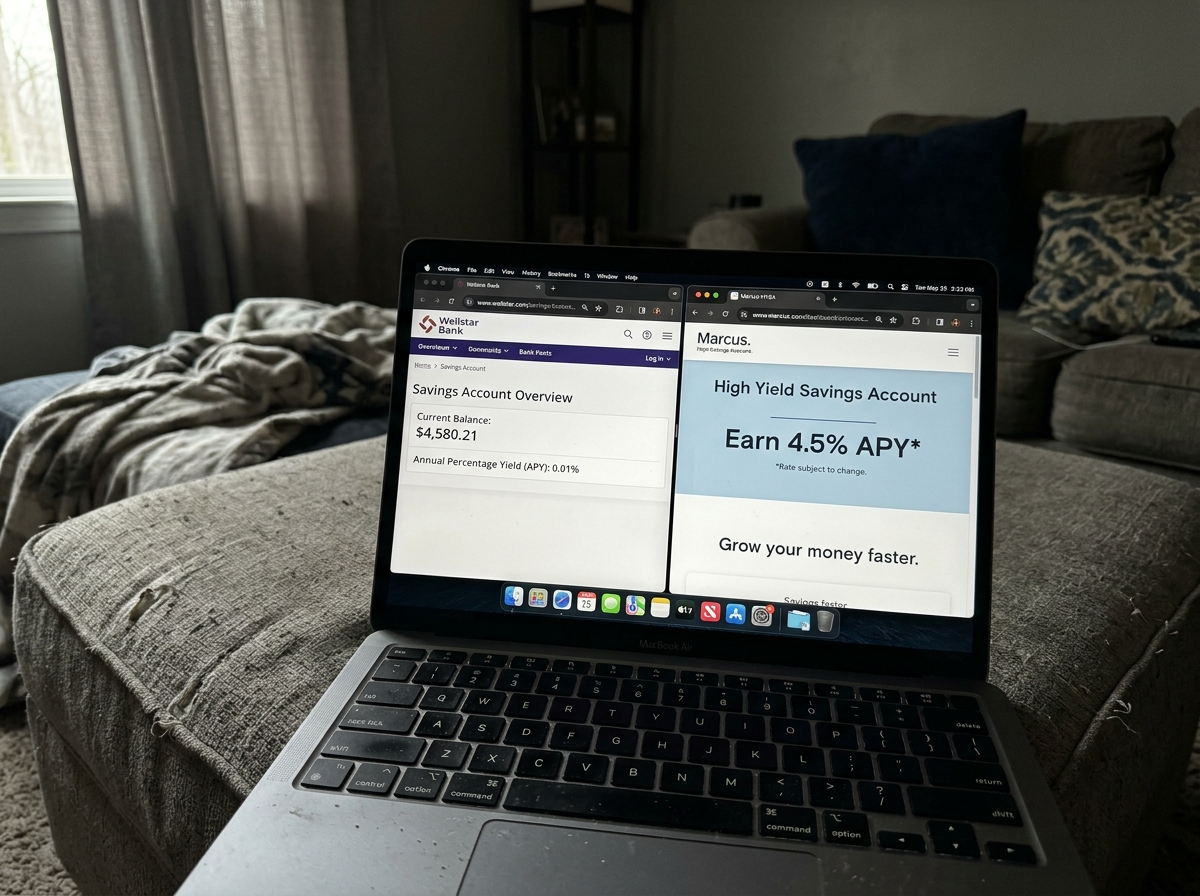
As of May 2026, the national average savings account rate is 0.38% APY according to the FDIC. The best high yield savings accounts are currently paying up to 4.20% APY. On a $5,000 balance, that’s the difference between earning $19 in a year and earning $210. Same money. Same bank account. Completely different outcome.

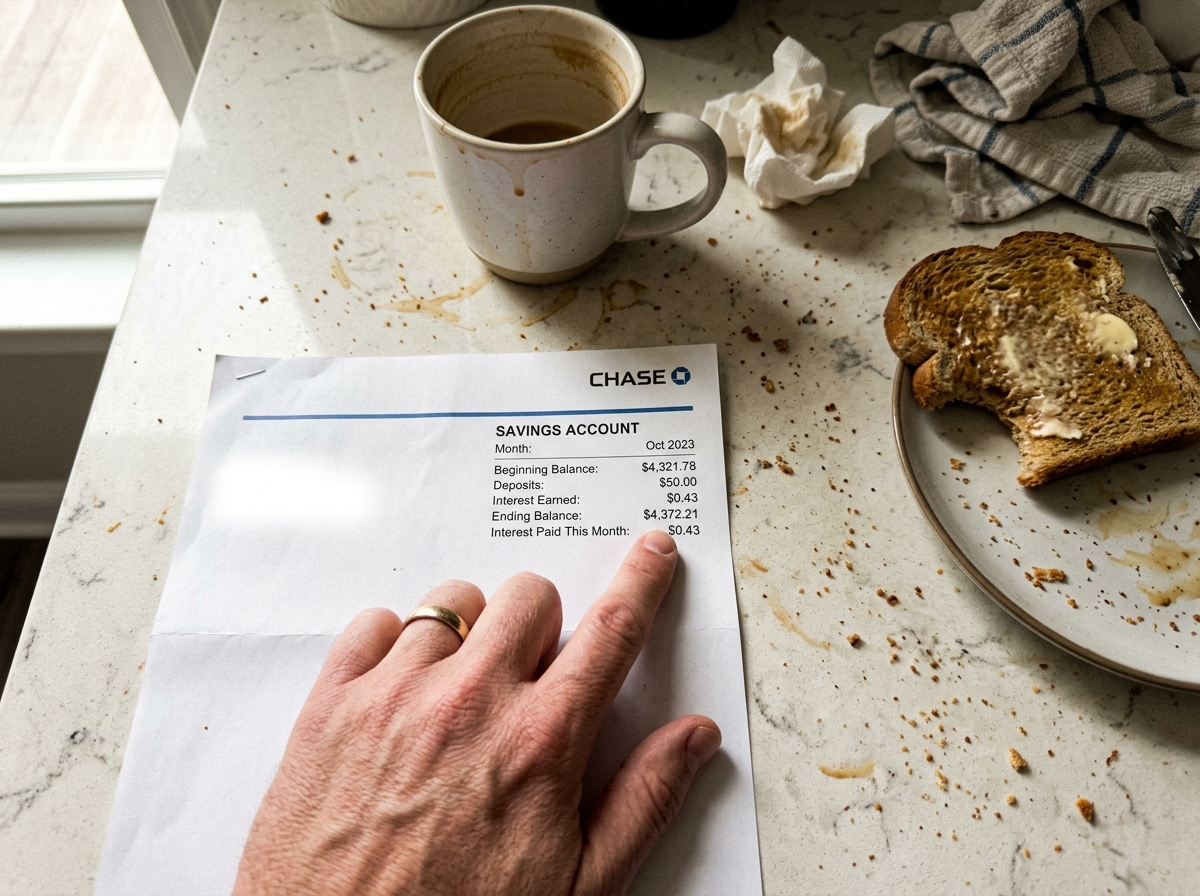
Most HYSAs are offered by online banks. No branches, no tellers, no ATMs to stock. Those overhead savings get passed to you as a higher interest rate. That’s why your Chase or Wells Fargo savings account pays 0.01% and an online bank pays 4%. It’s not charity. It’s a different cost structure.

QUICK TAKE

A high yield savings account pays 10 to 20 times more than a standard savings account with the same safety, the same FDIC protection, and the same access to your money. The only real difference is which bank is holding it.

what is a high yield savings account comparison regular savings vs high yield

How Does a High Yield Savings Account Work

You open an account, deposit money, and earn interest. The mechanics are identical to any other savings account.

The interest accrues daily, meaning the bank calculates how much you’ve earned every single day based on your balance. That amount gets added to your account, usually monthly. Then the following month, you earn interest on the original deposit plus the interest that was already added. That’s compound interest, and it’s why even small balances grow meaningfully over time in a high yield account.

Here’s a concrete example. You deposit $10,000 into a HYSA earning 4% APY. You don’t touch it for a year. At the end of the year you have approximately $10,407. The same $10,000 sitting in a Chase savings account at 0.01% earns you $1. That $406 difference is real money that took you zero additional effort to earn.

The rate is variable, meaning the bank can change it. When the Federal Reserve cuts interest rates, banks typically lower their savings rates too. Rates have been declining since late 2024 as the Fed has been cutting. The best accounts are currently in the 3.50% to 4.20% range as of May 2026, down from highs of around 5% in 2023 and 2024. Still worth it by a wide margin compared to big bank rates.

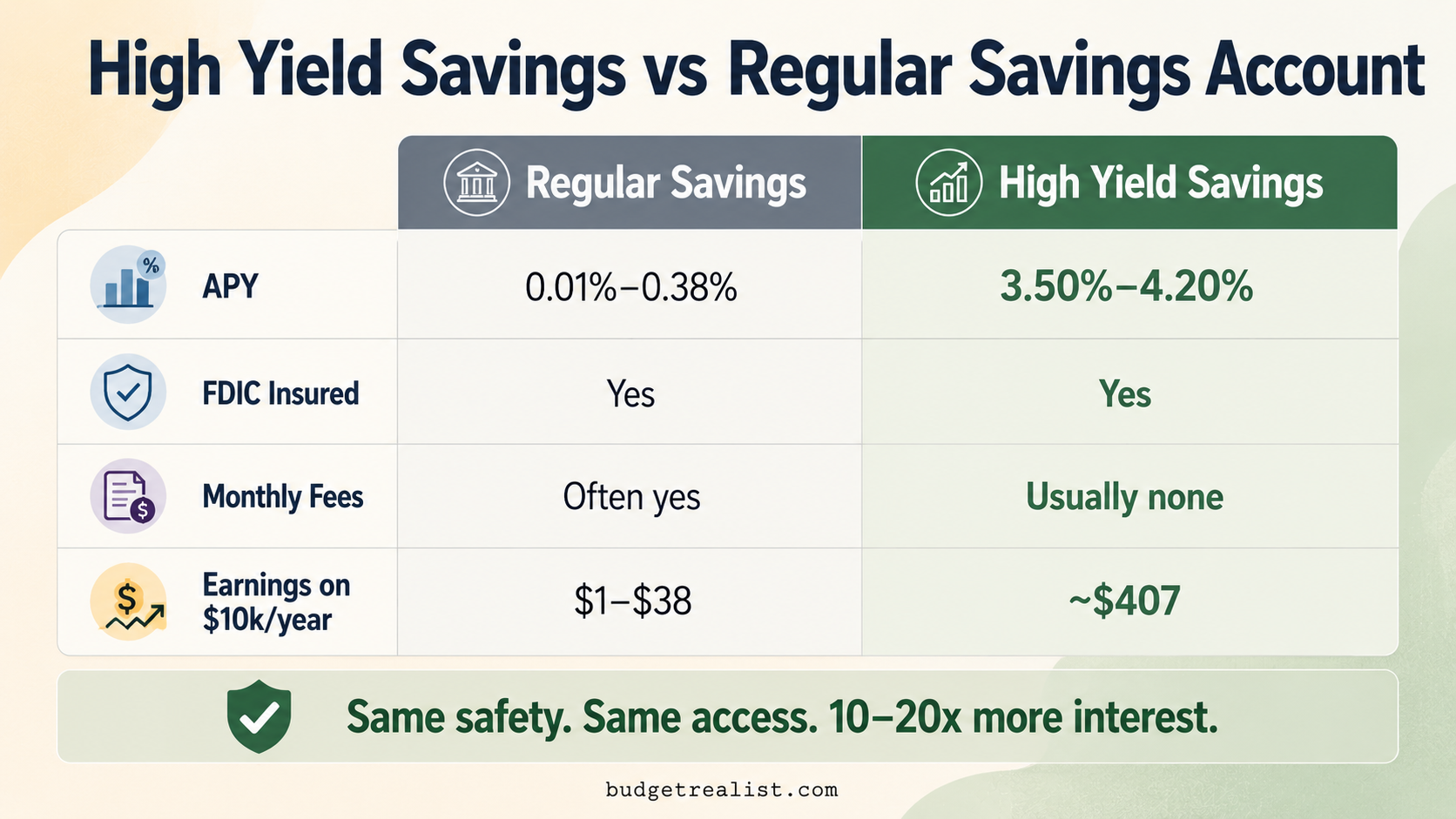
High Yield Savings Account vs Regular Savings Account

High Yield Savings Regular Savings
APY (May 2026) 3.50% to 4.20% 0.01% to 0.38%
FDIC insured Yes ($250,000) Yes ($250,000)
Minimum balance Usually $0 Varies
Monthly fees Usually $0 Often yes
Branch access Online only (mostly) In-person available
Transfer speed 1 to 3 business days Usually same day
Earnings on $10k/year ~$407 ~$1 to $38

The only real tradeoff is transfer speed. Online banks typically take one to three business days to move money to your checking account at another bank. If you’re using it as an emergency fund, pick a bank known for fast transfers. Ally, Marcus, and SoFi all have reliable transfer speeds. See how Ally, Marcus, and SoFi compare.

Is a High Yield Savings Account Safe

Yes. FDIC insured up to $250,000 per depositor per bank. The same protection that covers your checking account at Chase covers your HYSA at an online bank. If the bank fails, your money is protected.

The one thing to verify before opening any account is that the bank is actually FDIC insured. Every legitimate online bank is. You can check using the FDIC’s BankFind tool if you’re unsure. Type in the bank name and it confirms coverage instantly.

The interest rate risk is different from safety risk. Your principal is protected. The rate can go up or down. You’re not going to lose your $5,000. You might earn 3.5% instead of 4.2% if rates drop. That’s a yield change, not a safety issue.

checking savings account interest earned on phone banking app

High Yield Savings Account Pros and Cons

The pros:

You earn significantly more interest for doing nothing differently. The accounts are FDIC insured, so your money is as safe as it would be anywhere else. Most have no minimum balance and no monthly fees. Your money stays liquid, meaning you can access it without penalties whenever you need it. Setup takes 10 to 15 minutes online.

The cons:

Transfers take one to three business days to reach your checking account at another bank. If you’re using it as an emergency fund, that lag matters. Rates are variable and can drop when the Fed cuts. You’ll need to check periodically that your bank is still competitive. Some online banks have clunky apps or slow customer service. And unlike a CD, you’re not locking in today’s rate.

None of these cons outweigh the core benefit for most people. The transfer delay is manageable. The rate variability is manageable. Earning $1 a year instead of $400 is not manageable.

WATCH OUT

Some banks advertise high rates that require a minimum monthly deposit or direct deposit to qualify. Read the fine print before opening. The rate you see in the headline may not be the rate you actually earn. SoFi’s 4.00% APY, for example, requires active direct deposit. Without it, the rate drops to 1.00%.

Who Should Open a High Yield Savings Account

If you have any money sitting in a big bank savings account earning 0.01%, you should open one. Full stop. There is no scenario where earning $1 a year is better than earning $400 on the same money with the same safety.

It makes the most sense for: emergency funds, short-term savings goals (vacation, car, down payment), any money you don’t need to touch for at least a few months, and money you’re actively building up over time.

It makes less sense for: money you need to access instantly on the same day (keep that in checking), or money you’re certain you won’t need for over a year and want a locked-in rate (a CD might serve you better there). Here’s how to decide which account fits which goal.

How to Open a High Yield Savings Account

Pick a bank. Go to their website. Fill out the application. It asks for your name, address, Social Security number, and a linked bank account to fund it. The whole process takes about 15 minutes.

You’ll need to transfer money in from your existing checking account. Most banks let you do this during setup. The transfer usually takes one to two business days to clear.

Once it’s open, set up an automatic recurring transfer from your checking account on payday. Even $25 or $50 a week builds faster than you’d expect when the interest is compounding daily at 4% instead of 0.01%.

The hardest part isn’t opening the account. It’s overcoming the inertia of switching from the bank you’ve had since high school. I put it off for two years because I assumed it was complicated. It wasn’t. It was 15 minutes and a $200 opening transfer. I wish I’d done it the day I first heard about it. See our picks for the best high yield savings accounts in 2026.

THE BOTTOM LINE

A high yield savings account is a regular savings account at an online bank that pays 10 to 20 times more interest than the national average. It’s FDIC insured, has no lock-in period, and takes 15 minutes to open. If your savings are currently sitting at a big bank earning next to nothing, there is no good reason not to move them.

The money you leave at Chase earning 0.01% isn’t sitting still. It’s falling behind inflation while an online bank would have paid you 4% for holding it. That’s the cost of not knowing what a high yield savings account is. Now you know.

what is a high yield savings account woman checking online bank balance on laptop

Best High Yield Savings Accounts — June 2026: Which Ones Are Actually Worth It

The national average savings rate is 0.38% APY according to the FDIC as of May 2026. The best high yield savings accounts are paying over 3.5% right now. On $10,000 that is the difference between $38 a year and $380 a year — for doing nothing differently except choosing a better account.

Rates have come down from their 2024 peaks. That does not mean you should ignore this. You are still leaving hundreds of dollars on the table every year if your savings are sitting in a traditional bank account earning next to nothing.

This is an up-to-date breakdown of which accounts are worth opening right now, what conditions are buried in the fine print, and what to actually do today. Rates verified June 12, 2026.

What You Need To Know First

What Is a High Yield Savings Account

There is no special account type here. A high yield savings account is just a savings account that pays a meaningfully higher rate than what traditional banks offer. The reason online banks can do this is simple: no physical branches, lower overhead, and they pass some of that saving on to you as a higher APY.

Your money stays liquid. You can transfer it back to your checking account whenever you need it, usually within one to two business days. This is not a CD. Nothing is locked up.

Is it safe?

Yes. Ally, Marcus, and SoFi are all FDIC-insured. Your deposits are protected up to $250,000 per depositor, identical to any traditional bank. The bank being online changes nothing about that protection.

The Accounts

Best High Yield Savings Accounts — June 2026

All rates verified June 12, 2026. These are accounts with consistently competitive APYs, no monthly fees, and no minimum balance requirements unless noted.

best high yield savings accounts 2026 APY comparison on laptop screen

SoFi: 3.80% APY (up to 4.50% for SoFi Plus members)

SoFi’s standard rate of 3.80% APY requires an eligible direct deposit or a qualifying deposit of at least $5,000 every 31 days. Without either of those, you earn 0.80% APY. SoFi Plus members — who pay a $10 monthly subscription — can access a higher promotional rate currently up to 4.50% APY.

If you are comfortable routing your paycheck through SoFi, this is the strongest option on the list. The app is well built, there is a checking account included, and the combination product is genuinely good for anyone looking to consolidate their banking. New members also get a 0.70% APY boost for the first six months as of this writing.

Read the fine print

SoFi’s 3.80% rate requires direct deposit or $5,000 in monthly deposits. Without either you earn 0.80%. A lot of people open the account, skip the setup, and wonder why they are not earning the rate they signed up for. Do not be that person.

Marcus by Goldman Sachs: 3.40% APY

Clean, no-nonsense setup. No fees, no minimums, no direct deposit requirement. You open it, put money in, and earn 3.40%. Same-day transfers of $100,000 or less to external accounts. The only limitation is no checking account, so you keep your main bank elsewhere and use Marcus purely for savings. For most people that is not a problem — and the lack of conditions is the point.

Ally Bank: 3.10% APY

No minimum balance. No monthly fees. No conditions. The rate you see is the rate you get from day one. Ally has come down from its highs but remains one of the most user-friendly accounts available. The bucket feature inside the account lets you split savings into named goals without opening separate accounts. The mobile app is genuinely well built. Best starting point for most people who want something simple with no strings attached.

Side by Side

Quick Comparison — June 2026

Bank APY Minimum Condition Checking included
SoFi 3.80% (4.50% SoFi Plus) $0 Direct deposit or $5k/mo Yes
Marcus 3.40% $0 None No
Ally 3.10% $0 None Yes

Rates verified June 12, 2026. APYs are variable and subject to change.

SoFi vs Ally vs Marcus

Which One Should You Actually Open

The right answer depends on one question: are you willing to move your direct deposit?

Pick SoFi if you want the highest rate and are comfortable using it as your primary bank. The combination checking and savings account works well as an all-in-one setup. Route your paycheck there, earn 3.80%, and you are done. If you want the absolute top rate and do not mind a $10 monthly fee, SoFi Plus gets you to 4.50%.

Pick Marcus if you want a clean no-conditions rate with no account juggling. 3.40% APY, no fees, no minimums, no direct deposit requirement. Keep your existing checking account and just park your savings here. Transfers are fast — same-day for amounts under $100,000.

Pick Ally if you want the simplest setup with the most features. 3.10% APY with no conditions, a checking account option, savings buckets, and one of the better banking apps available. Slightly lower rate than Marcus but more product depth if you want everything in one place.

Rachel’s take

If I had to pick one today I would go Marcus for savings and keep my checking where it is. No conditions, competitive rate, fast transfers, and I do not have to think about whether my direct deposit is set up correctly. Simple wins.

Want a detailed head-to-head breakdown? I put together a full Ally vs Marcus vs SoFi comparison that goes through every difference that actually matters.

Are Rates Dropping

Will These Rates Last

Rates have already come down since 2024. The Fed cut rates three times in late 2025 and has held steady so far in 2026, with the target range sitting between 3.50% and 3.75%. No change was announced at the April 29 meeting. The next decision is June 17, 2026.

Goldman Sachs Research expects rate cuts in September and December 2026. If that happens, savings rates will follow down. The window to lock in current rates — even in a no-penalty CD — is closing.

Rates are lower than 2024 but still more than eight times the national average. The math still works in your favor.

National average: 0.38% APY per FDIC, May 2026

What To Do

How To Actually Open One Today

The application takes about ten minutes. You will need your Social Security number, a government ID, and your existing bank account details to set up the transfer link. Most accounts are open and funded within one to two business days.

Set up an automatic transfer on payday — even $50. You will not miss money you never see hit your checking account, and consistent deposits compounding at 3%+ add up meaningfully over a year. The pay yourself first method explains exactly how to automate this so it happens before you spend anything.

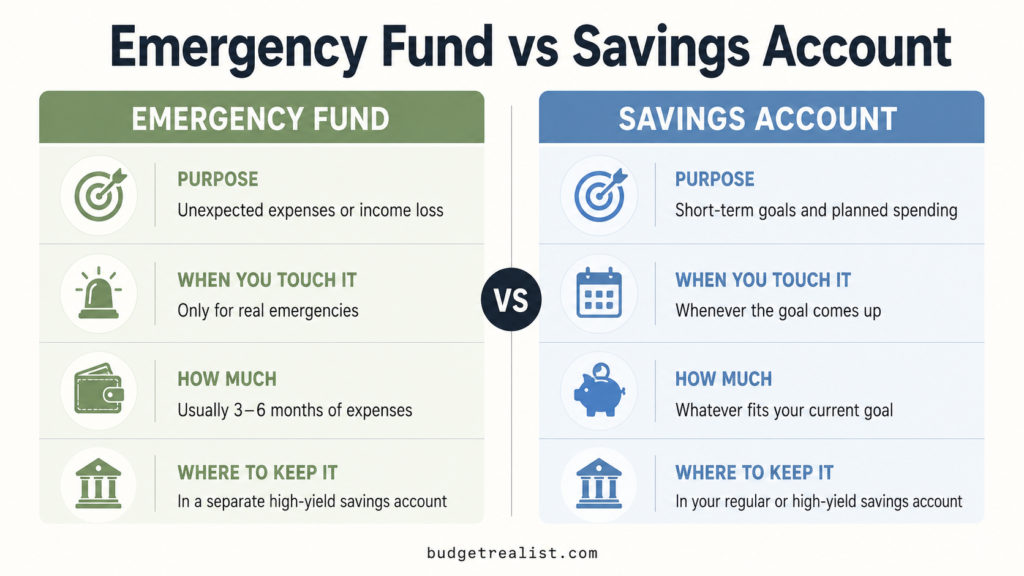
Not sure how much to keep in a HYSA versus other savings goals? The emergency fund vs savings account breakdown explains how to split it correctly. Or use the free emergency fund calculator to find your exact target number.

Common Questions

Questions Worth Answering

What is the best high yield savings account right now?

As of June 2026, SoFi offers the highest rate at 3.80% APY with direct deposit, or up to 4.50% for SoFi Plus members. Marcus offers 3.40% APY with no conditions. Ally offers 3.10% APY with no conditions. The best account depends on whether you want the highest rate with conditions or a clean no-strings rate.

Is SoFi or Ally better for savings?

SoFi pays a higher rate (3.80% vs 3.10%) but requires direct deposit or $5,000 in monthly deposits to earn it. Ally requires nothing and works as a standalone savings account. If you want the highest rate and are willing to use SoFi as your primary bank, SoFi wins. If you want simplicity with no conditions, Ally is the better fit. For a full comparison see the Ally vs Marcus vs SoFi breakdown.

Is Marcus by Goldman Sachs still a good HYSA in 2026?

Yes. Marcus is at 3.40% APY with no fees, no minimums, and no conditions. The rate has come down from 2024 highs but it remains competitive, especially for people who want a pure savings account without changing their primary bank setup.

What APY can I get on a high yield savings account in 2026?

The top no-condition rate is Marcus at 3.40% APY. With direct deposit, SoFi pays 3.80%. SoFi Plus members can access up to 4.50% APY. All of these are well above the national average of 0.38%.

Is my money safe in an online bank?

Yes, as long as it is FDIC-insured. Ally, Marcus, and SoFi all are. Your deposits are protected up to $250,000 per depositor, same as any traditional bank.

Can I withdraw whenever I want?

Yes. HYSAs are not CDs. There is no lock-up period. Transfers to your linked checking account typically take one to two business days.

Do I pay tax on the interest?

Yes. Interest earned is taxable income. Your bank will send a 1099-INT if you earn more than $10 in interest during the year.

Free monthly update
Savings rates change. We track them so you don’t have to.
One email per month. Current rates, no noise.

Get the update →


The national average savings rate is 0.38%. The best accounts are paying 3–4%. That gap does not close itself.

You do not need to overhaul your banking to fix this. Open one account, link it to your existing checking, move your savings over. Ten minutes of work, potentially hundreds of dollars a year in interest you were leaving on the table.

Not sure which budgeting method will help you actually build savings consistently? This guide to choosing the right budgeting method breaks down which approach fits your situation.

How to Build an Emergency Fund: 5 Steps to Your First $1,000 and Beyond

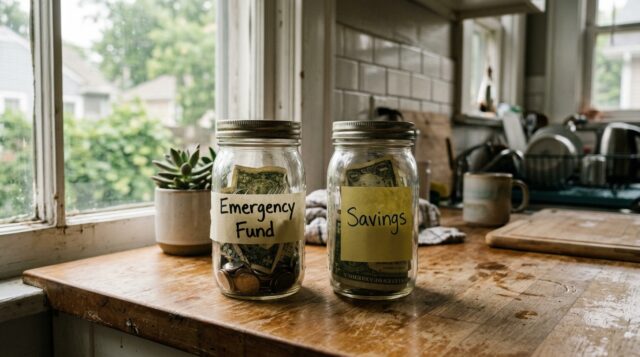
how to build an emergency fund starting with phone and banking app

The math on not having an emergency fund is brutal. A $380 car repair with no buffer goes on a credit card. Four months of minimum payments later, that $380 problem costs closer to $430. The repair is done but the debt isn’t.

Most articles will tell you to save three to six months of expenses. That’s the right destination. But if you’re starting from close to zero, that target is so far away it stops functioning as motivation and starts functioning as an excuse to not start at all.

Here’s how to build an emergency fund that actually gets built, starting with a number that doesn’t require a miracle to reach.

THE REALITY

According to an Empower survey of 2,202 Americans conducted in June 2025, 1 in 3 Americans have no emergency savings at all. A U.S. News survey from February 2026 found that more than 2 in 5 Americans couldn’t cover a $1,000 emergency expense from savings. If that’s you right now, you’re not behind. You’re in the majority. But that doesn’t mean you should stay there.

STEP BY STEP

How to Build an Emergency Fund in 5 Steps

01
Set your first target at $1,000, not 3 to 6 months

$1,000 covers the most common single emergencies: a car repair, a medical copay, a broken appliance. It’s achievable in weeks or a few months on most incomes. And once you hit it, the habit is already built. You move to one month of expenses, then three, then six. The number grows because the behavior is already there, not the other way around.

02
Open a separate account specifically for your emergency fund

Money that sits next to your spending money gets spent. Your emergency fund needs to be one extra step away: visible enough that you know it’s there, separate enough that you don’t absent-mindedly drain it.

A high-yield savings account is the right place for it. You earn a real return while the money sits there, and the slight friction of a transfer means you won’t dip into it for things that aren’t actually emergencies. Here are the best high-yield savings accounts right now if you need somewhere to start.

QUICK TIP

Name the account something specific in your banking app. “Emergency Fund” or “Do Not Touch” creates psychological friction that makes it harder to raid for non-emergencies. Small thing. It works.

03
Automate a fixed transfer every payday, however small

This is the step that actually builds the fund. Not willpower. Not remembering. Automation.

Pick an amount that won’t break your budget. $25, $50, $75. Set up an automatic transfer from checking to your emergency fund on the same day you get paid, before you touch anything else. $50 a month gets you to $1,000 in 20 months. $100 gets you there in 10. The amount matters less than the fact that it happens without you deciding each time.

how to build an emergency fund automatic transfer set up on phone

04
Find one expense to cut and redirect it to the fund

Automation handles consistency. One cut accelerates the timeline. You don’t need to overhaul your whole budget, you need one thing: one subscription you forgot you had, one fewer takeout meal per week, one impulse category you pause for 90 days. Redirect that amount on the same day you would have spent it.

On top of a $75 automatic transfer, an extra $40 gets you to $1,000 in under nine months instead of over a year. And if you get a tax refund, a bonus, or any windfall, putting half of it straight into the fund can skip months of slow saving in a single move.

WORTH KNOWING

If you’re working on paying down debt at the same time, get to $1,000 in the emergency fund first before attacking debt aggressively. Without a buffer, the next unexpected expense goes straight on a credit card and undoes your progress. The $1,000 floor exists specifically to break that cycle.

05
Decide what counts as an emergency before you ever need to spend it

The fund gets raided most often not because of true emergencies but because people haven’t defined what qualifies. Under financial stress, almost anything feels urgent.

Before you build the fund, decide what it’s for. Job loss: yes. Medical bill: yes. Car repair that stops you getting to work: yes. Flight home for a wedding: no. New phone because yours is slow: no. Sale on something you were planning to buy anyway: absolutely not.

Make that list once, clearly, without pressure. Not six times in the heat of the moment when your judgment is compromised.

HOW MUCH

Emergency Fund: How Much You Actually Need at Each Stage

Three to six months of expenses is the right destination. Most people need staged targets to get there without losing momentum.

Stage Target What It Covers
Stage 1 $1,000 Most common one-off emergencies: car repair, medical copay, appliance
Stage 2 1 month of expenses Short-term job loss, major unexpected bill, bridging a gap
Stage 3 3 months of expenses Job loss with standard notice period, health emergency, serious car or home repair
Stage 4 6 months of expenses Full job loss buffer, essential for freelancers, single-income households, variable income

To calculate your monthly expenses: add up rent or mortgage, utilities, groceries, insurance, minimum debt payments, transport. Not subscriptions, not dining out, not discretionary spending. Just the non-negotiables. Multiply by three for Stage 3. Multiply by six for Stage 4.

COMMON QUESTIONS

3 Questions People Always Ask About How to Build an Emergency Fund

Where should I keep my emergency fund?

A high-yield savings account. Accessible within one to two business days, earning a real return, separate from your daily spending. Do not invest it in stocks or ETFs. The whole point is that it’s there when you need it, not down 20% during the exact market crash that also cost you your job.

Should I build an emergency fund or pay off debt first?

Get to $1,000 first, then attack debt. Without a minimum buffer, the next unexpected expense goes on a credit card and resets your progress. Once you hit $1,000, focus on high-interest debt while keeping that floor intact. Return to building the full fund once the expensive debt is gone.

What if I use it and have to start over?

That’s what it’s for. Using it is not a failure. Replenishing it is the only move. Restart your automatic transfer the same week the emergency is handled, even if you’re back to $25 a month. The system is designed to be rebuilt. That’s the whole point.

BOTTOM LINE

Start With $1,000. Everything Else Follows.

Knowing how to build an emergency fund is the easy part. Starting when the amount you can set aside feels embarrassingly small is the hard part.

$25 a week is $1,300 a year. $50 a week is $2,600. The math works at any contribution level. What doesn’t work is waiting until you can afford to save more.

Open the account today. Set one automatic transfer. Define what an emergency is. Then leave it alone until you actually need it.

If you haven’t sorted out your budgeting system yet to free up room to save, this guide to choosing the right budgeting method will help. And if you’re using the pay yourself first approach, your emergency fund is exactly where that first automated transfer should go.

According to Empower’s 2025 Safety Net research, 64% of Americans say building emergency savings is their top financial priority. Most of them still haven’t started. The difference between those who do and those who don’t is almost always the same thing: they stopped waiting for the right moment and automated the first transfer anyway.

How to Stop Impulse Buying: 7 Fixes That Actually Work

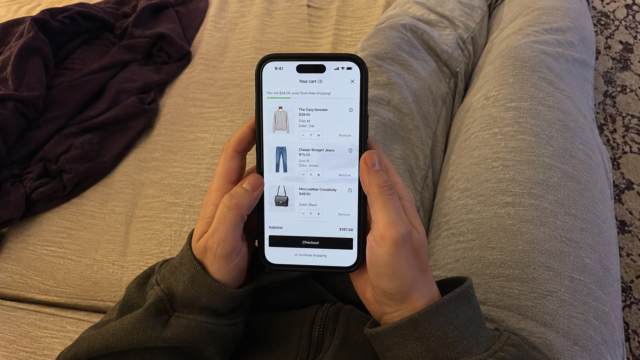
hands scrolling through an online shopping app on phone with items in cart visible from above angle

The average American spends $282 per month on impulse purchases, according to Capital One Shopping’s 2024 research. That’s $3,381 per year on things they never planned to buy. Nearly three-quarters of Americans say most of their purchases are unplanned, and 48% make online impulse purchases at least weekly.

Most advice on how to stop impulse buying treats this as a willpower problem. Pause before you buy. Ask yourself if you really need it. Sleep on it. That advice is not wrong, it’s just incomplete. It puts the entire burden on you while ignoring the fact that retail environments, app checkout flows, and social media feeds are professionally engineered by teams of psychologists and UX designers specifically to defeat your willpower.

You are not losing a fair fight. You are losing a rigged one.

The fix is not stronger willpower. It’s changing the environment so the fight doesn’t happen in the first place.

WHY IT HAPPENS

Why People Struggle With How to Stop Impulse Buying

Impulse buying is not random. It follows predictable patterns triggered by specific conditions. Understanding the triggers is the first step to neutralizing them.

The emotional trigger

Retail therapy is real. Stress, boredom, loneliness, and anxiety all increase impulse buying. The brain uses a purchase to generate a small dopamine hit that temporarily interrupts the negative feeling. It works in the moment. The problem is the $497 median spend on impulse purchases over $250, according to Q1 2025 data, and the 32% of consumers who have delayed a major financial milestone because of impulse spending.

The emotional trigger is the hardest to address with willpower because it fires before the rational brain catches up. By the time you’re asking yourself if you really need something, the emotional decision has already been made.

The design trigger

One-click checkout. Saved payment methods. Countdown timers. Low stock warnings. Personalized product recommendations based on browsing history. Free shipping thresholds that are just slightly above your current cart total. These are not accidents. They are conversion rate optimization tactics built to compress the time between impulse and purchase to as close to zero as possible.

Amazon’s one-click patent, held for 20 years, was specifically designed to eliminate friction from the purchase process. Every second of friction between impulse and checkout is a chance for the rational brain to intervene. Removing friction was the product.

The social trigger

48% of social media users have made an impulse purchase after seeing an ad on TikTok or Instagram. The #TikTokMadeMeBuyIt trend has over 6 billion views. Social proof, scarcity signals, and influencer endorsements all compress deliberation time. The algorithm knows what you clicked on last week and serves you more of it.

THE ACTUAL PROBLEM

You are not bad at resisting temptation. You are a normal person being subjected to billions of dollars of behavioral research designed to make you spend money in the moment. Treating this as a personal failure misses the point and guarantees the same result.

THE FIXES

How to Stop Impulse Buying: 7 Environmental Fixes

These fixes work by changing the environment rather than relying on in-the-moment discipline. Each one adds friction between the impulse and the purchase, which gives the rational brain time to engage.

Fix 1: Remove saved payment methods from shopping apps and websites

This is the single highest-leverage change most people can make. One-click checkout only works because your card is already saved. Removing it means every purchase requires you to physically find your card and type in the numbers. That 60 seconds of friction kills a significant percentage of impulse purchases because the moment of urgency passes before the transaction completes.

Go to Amazon, your most-used shopping apps, and your browser’s saved passwords. Remove the stored card details. You can still buy things. You just have to decide to do so with enough deliberation to get your card out.

Estimated monthly saving for average impulse spender: $60 to $120

Fix 2: Delete or log out of shopping apps on your phone

The apps are on your phone because convenience was the selling point. That convenience is also what makes them dangerous. Deleting the Amazon, ASOS, or SHEIN app from your phone does not prevent you from buying things. It means you have to use a browser, which is slightly more friction, which is enough to stop most impulse purchases that would have happened in idle moments.

If deleting feels extreme, log out of the app so every session requires a password. Most impulse buys happen when you’re already in the app for another reason. Requiring a login adds enough delay to disrupt the pattern.

What to do instead: Keep a wishlist document, physical or digital, where you write down things you want to buy. Revisit it after 48 hours. Most items lose their urgency within a day.

Fix 3: Unsubscribe from every retail email and SMS list

Promotional emails and SMS messages are designed to create urgency: 24-hour sale, last chance, only 3 left. Every one is a manufactured trigger. 72% of online shoppers have impulsively bought an item due to an advertised discount. The discount felt like a saving. It was a purchase that wouldn’t have happened without the email.

Use Unroll.me or your email provider’s unsubscribe tools to clear retail emails in bulk. Set a rule to automatically archive anything from a retailer before it hits your inbox. Out of sight, out of mind is not a cliche here. It’s a documented behavioral effect.

Estimated monthly saving: $30 to $80

Fix 4: Implement the 48-hour rule on all non-essential purchases

The 48-hour rule is simple: any non-essential purchase over a threshold you set (typically $30 to $50) goes on a list and waits 48 hours before you buy it. If you still want it after 48 hours, you buy it without guilt. Most items don’t make it past the wait.

This works because impulse buying is driven by immediate emotional states. Boredom at 10pm on a Tuesday generates a different purchasing decision than the same item reviewed at noon on Thursday. The 48-hour rule separates the emotional trigger from the transaction.

The key is writing the item down rather than adding it to a cart. Adding to cart keeps the purchase one click away and keeps the item visible. Writing it in a note removes the immediacy.

This single fix alone is responsible for the majority of reported success in how to stop impulse buying, because it interrupts the emotional trigger without requiring permanent deprivation.

Fix 5: Give every dollar a job before the month starts

Most impulse buying happens with money that has no designated purpose. When a paycheck lands and $400 is sitting unallocated in checking, a $60 impulse purchase feels negligible. When that $400 has already been assigned to rent, groceries, and savings, the same $60 purchase is a visible breach of a plan.

Zero-based budgeting eliminates unallocated money by assigning every dollar to a category before the month begins. It doesn’t eliminate discretionary spending; it makes it intentional. A $60 entertainment budget is not an impulse. Spending $60 on something that wasn’t in any budget is.

Here’s how zero-based budgeting works on a real salary.

Fix 6: Block or mute high-trigger accounts on social media

You cannot stop the algorithm from knowing what you’ve previously engaged with, but you can reduce its surface area. Mute or unfollow accounts that consistently trigger purchase impulses: haul accounts, unboxing channels, brand accounts, influencers whose content is primarily product recommendations.

This is not about using social media less. It’s about curating your feed so it stops functioning as a product discovery engine operating against your financial interests. Replace product-focused follows with content that has no purchase call to action.

Fix 7: Build a small fun money budget so deprivation doesn’t backfire

Trying to eliminate all impulse buying without building in any discretionary spending usually fails. Deprivation increases the psychological value of forbidden items and makes the eventual break harder. A strict no-spend approach often ends in a compensation purchase that costs more than the gradual impulse buying would have.

Build a monthly fun money line into your budget: $50, $100, whatever is realistic. This money can be spent on anything, no justification required. Having a sanctioned spending category removes the emotional charge from small purchases and makes the budget feel sustainable rather than punishing.

The goal is not zero impulse buying. The goal is impulse buying that doesn’t happen with money you needed for something else.

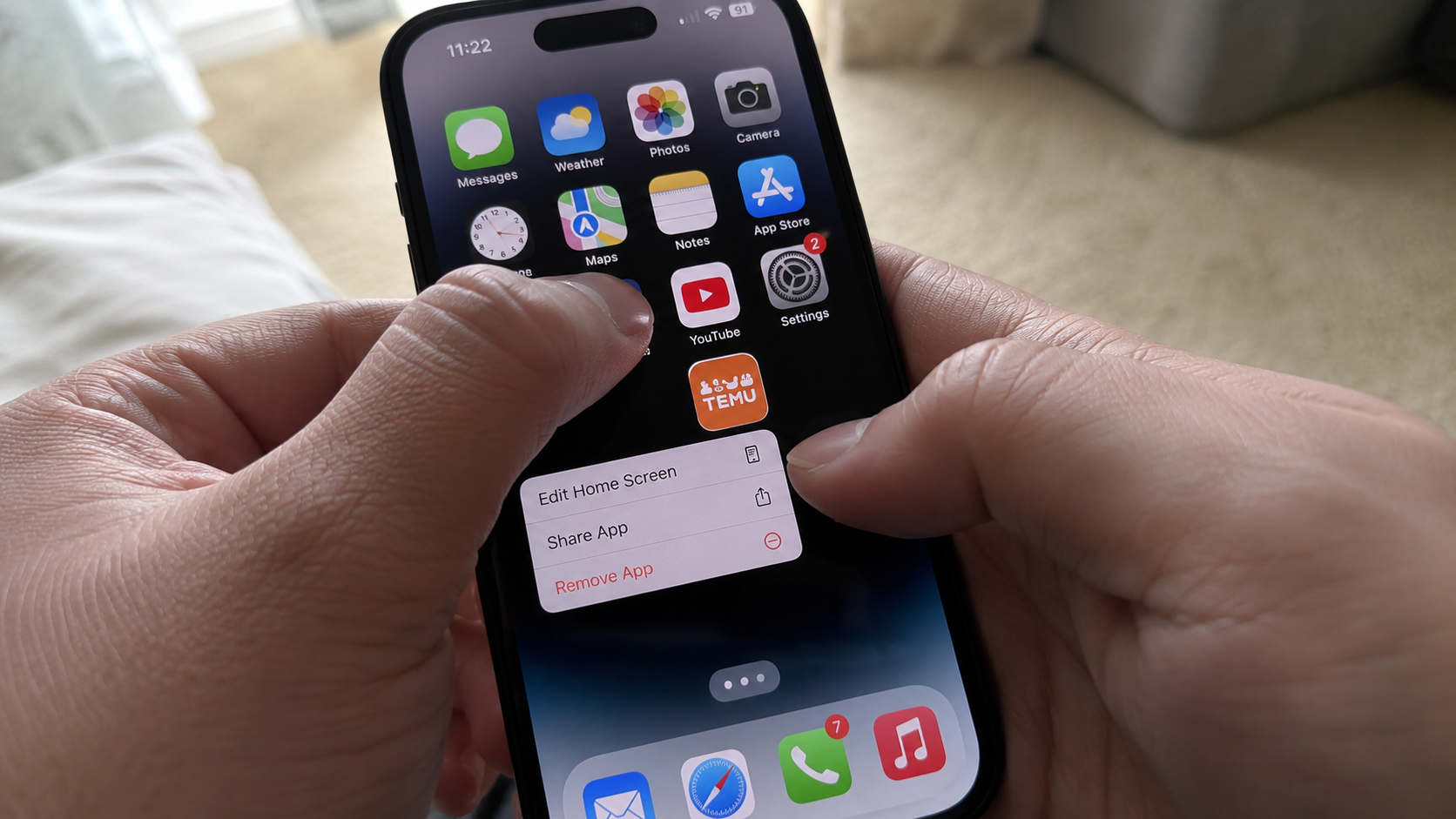
how to stop impulse buying - close-up of hands deleting a shopping app from phone home screen

WHERE TO START

How to Stop Impulse Buying This Week

01
Today: remove saved payment methods from your top three shopping sites

Amazon, your most-used clothing site, and wherever you most often make impulse purchases. Takes ten minutes. Immediate effect on all future sessions.

02
Today: unsubscribe from all retail email and SMS lists

Use Unroll.me or go through your inbox manually. Every retail email is a manufactured trigger. Remove them from the environment entirely.

03
This week: start the 48-hour rule

Create a note called “Want to Buy” on your phone. Every non-essential purchase over $30 goes there with the date. Review after 48 hours. Buy it if you still want it. Most items will not survive the wait.

REALISTIC SAVING

The average impulse spender at $282 per month who cuts impulse buying by 50% with these environmental fixes saves $1,692 per year. At 70% reduction: $2,368. These are not extreme targets. They are what happens when you remove the triggers rather than trying to resist them.

BOTTOM LINE

How to Stop Impulse Buying Is a Design Problem, Not a Willpower Problem

The retailers, apps, and platforms you buy from have spent decades and billions of dollars optimizing for your impulse. Trying to beat that with raw willpower is a losing strategy. Changing the environment so the impulse has nowhere to land is not.

Remove the saved cards. Delete the apps. Kill the retail emails. Start the 48-hour list. Build a fun money budget. Those five changes restructure the environment so that intentional spending becomes the default and impulse spending requires active effort instead of the other way around.

Once the impulse spending is under control, the next step is making sure the freed-up money goes somewhere useful. The pay yourself first method automates that automatically. And if you want a full picture of where your money is going before you start cutting, this guide to choosing the right budgeting method will help you build the system around it.

The 50 30 20 Rule: Why It Doesn’t Work Anymore (And What to Do Instead)

The 50 30 20 rule is everywhere. Personal finance blogs, bank websites, your HR department’s financial wellness email. Split your take-home pay into needs at 50%, wants at 30%, and savings at 20%. Simple, clean, done.

There is just one problem. For a lot of people in 2026, the 50 30 20 rule math does not work. Not because they are bad at budgeting. Because the rule was designed around a cost of living that no longer exists for most people under 40 in any major city.

This is not another article telling you to ditch the 50 30 20 rule entirely. It is an honest look at what the rule gets right, what it gets wrong, and how to adjust it so it actually reflects your life instead of making you feel like a failure every month.

Where It Came From

What the 50 30 20 Rule Actually Is

The rule was popularized by Elizabeth Warren and her daughter Amelia Warren Tyagi in their 2005 book All Your Worth. Warren had spent years studying bankruptcies and noticed a pattern: people were not going broke because of lattes and impulse buys. They were going broke because fixed costs, mainly housing and healthcare, had taken over their budgets.

The 50 30 20 rule was designed as a corrective. Cap your needs at 50% of take-home pay. Keep wants at 30%. Save and pay down debt with the remaining 20%. The insight was sound. The specific percentages made sense for the cost of living in 2005.

That cost of living no longer exists. Research from the Federal Reserve Bank of Cleveland shows rent inflation has consistently outpaced wage growth across most US metros over the past decade, making the 50% needs target increasingly unrealistic for renters.

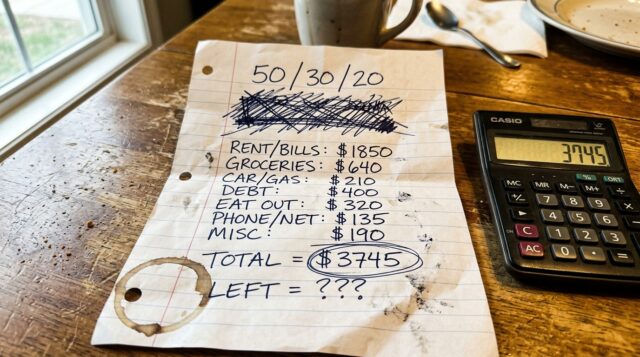
person sorting bills on floor frustrated with 50 30 20 rule

The Real Problem

Why the 50 30 20 Rule Breaks Down in 2026

Housing is the main culprit. In high-cost cities, rent alone consumes 50% or more of take-home income. But even outside major metros, rents have outpaced wage growth in most US counties over the past decade. When housing alone hits 40% of your take-home, you have used up 80% of your entire needs budget before paying for food, utilities, transportation, or health insurance.

Add the rest of the essentials and the math collapses completely. You are not overspending on wants. You are just trying to cover the basics.

The 50 30 20 rule did not break. The assumptions it was built on changed. That is a different problem with a different solution.

Adjusting the percentages beats throwing out the framework

There is also the debt problem. Student loan payments, high-interest debt, and rising auto insurance have grown to take up a greater share of the average household budget, further crushing the 50% needs category. Someone carrying $400 a month in student loan minimums and $200 in auto insurance is already eating through the needs bucket before rent enters the picture.

The third issue is how the 50 30 20 rule handles the needs versus wants distinction. It sounds simple until you actually try to categorize your life. Is your gym membership a want? What about a reliable car in a city with no public transit? A decent phone plan when your job requires being reachable? Some expenses blur the line between need and want, and rigidly labeling 30% for wants can push people into guilt spirals that make budgeting feel punishing rather than useful.

THE REAL TRAP

When your needs genuinely exceed 50% of take-home pay, the 50 30 20 rule does not tell you to fix your budget. It tells you that you failed. That framing is wrong and it is counterproductive. You did not fail at math. The math changed.

What It Gets Right

What the 50 30 20 Rule Still Gets Right

Before scrapping it entirely, the framework deserves credit for two things it genuinely does well.

First, it forces you to think in percentages rather than raw dollar amounts. A $2,000 rent feels different on a $4,500 take-home than on a $7,000 take-home. Anchoring spending to income rather than to absolute numbers is the right instinct.

Second, the 20% savings floor is the most important number in the whole framework and it is correct. Every version of this budget, adjusted or not, should try to defend that savings rate first and build the rest around it.

KEEP THIS PART

The 20% savings target is worth fighting for. Even if your needs genuinely run at 60% or 65%, try to hold the savings rate at 15 to 20% before you give up ground there. The wants bucket is where you make up the difference, not the savings bucket.

A More Honest Version

How to Actually Use the 50 30 20 Rule in 2026

Start with your real numbers, not the rule’s target numbers. Pull three months of bank statements and find out what your needs actually cost as a percentage of take-home. Not what you think they cost. What they actually cost.

Then work backwards from 20% savings. If take-home is $4,000, put $800 away first, automatically, on payday. Budget the remaining $3,200 across needs and wants however the real costs demand. If needs run at 60%, that leaves 20% for wants. That is a tighter life than the 50 30 20 rule imagines, but it is a functional budget.

If needs genuinely run above 70% of take-home, the problem is not your budgeting system. The problem is an income and housing cost mismatch that a percentage framework cannot fix. That is a different conversation about income, location, and fixed costs. A budget rule is not going to solve a structural problem.

If you want a method that forces you to assign every dollar with more precision than the 50 30 20 rule allows, zero-based budgeting is worth looking at. It takes more setup but gives you more control over exactly where your money goes.

Situation Needs Wants Savings
Original 50 30 20 rule 50% 30% 20%
Mid-cost city 2026 60% 20% 20%
High-cost city 2026 65% 15% 20%
Tight budget, high debt 65% 20% 15%

The point is not to hit the 50 30 20 rule exactly. The point is to know your actual split, defend the savings rate as much as possible, and make deliberate choices about the rest. A 65/15/20 budget that you actually follow is worth ten times more than a 50/30/20 budget that collapses after two weeks because the rent alone blows the numbers.

The Bottom Line

Stop Trying to Fit Your Life Into the 50 30 20 Rule

The 50 30 20 rule is a starting point, not a verdict. It was useful when it was written. It is still useful as a framework for thinking about allocation versus precision. But the specific numbers were calibrated for a cost of living that most people in 2026 do not live in.

Use it as a reference. Run your actual numbers. Find out what your real split is. Then adjust the wants bucket, defend the savings bucket, and stop feeling guilty that you cannot make a 2005 formula fit a 2026 paycheck.

If your needs genuinely run at 60% of take-home, you are not doing it wrong. You are just living in 2026. Budget accordingly, not aspirationally.


The 50 30 20 rule did not lie to you. It just got old. Use the framework, ignore the specific percentages, and build a budget around what your life actually costs.

Frugal Living Tips That Actually Work: 15 Worth Keeping

frugal living tips written in notebook with monthly savings tracker on kitchen table

According to a 2026 BestMoney study, 83% of Americans now consider themselves frugal. Most of them are cutting clothing, entertainment, and groceries while their phone plan, insurance, and subscription bills run unchecked on autopay.

Being frugal and being strategic about it are different things. The first feels like sacrifice. The second produces results without the misery.

These frugal living tips are selected for actual dollar impact and, where possible, for being genuinely underreported. The ones every site already covers are here too, but ranked honestly rather than padded to fill a listicle.

THE TIPS

Frugal Living Tips Ranked by What They Actually Save

1. Set a bill review date in your calendar once a quarter

This is the frugal living tip most people skip because it feels administrative rather than frugal. It is the highest-return item on this list. One afternoon per quarter reviewing your phone plan, insurance, internet, and subscriptions saves the average household $200 to $400 per month once the obvious overcharges are found and fixed.

Most of that money is sitting in bills that were set up years ago and never reviewed. The phone plan that made sense in 2022. The insurance that got quietly renewed at a higher rate. The gym membership from January. Set the date. Do the review. This single frugal tip saves more than all the grocery couponing on this list combined.

2. Use the 48-hour rule on every non-essential purchase over $30

Write it in a note instead of adding it to a cart. Come back after 48 hours. Buy it if you still want it. Most items do not survive the wait because the purchase impulse was driven by a momentary emotional state that passes.

The average American spends $282 per month on impulse purchases according to Capital One Shopping research. Cutting that by half with one rule saves $1,692 per year. This is one of the frugal living tips with the highest return for the least lifestyle change because it does not prevent you from buying things you actually want.

3. Switch your phone plan before doing anything else

Mint Mobile on T-Mobile’s network costs $15 per month for 15GB. Visible on Verizon’s network costs $25 per month unlimited. Most people are paying $60 to $100 per line per month for the same coverage. A two-person household switching saves $110 per month. The switch takes 30 minutes and the saving is permanent.

This is consistently the fastest frugal tip to implement and one of the largest single monthly savings available. It requires no behavioral change, just a different vendor for the same service.

4. Negotiate your rent before renewal, not after

Most renters accept whatever renewal number their landlord sends. Most landlords would rather give a discount than deal with a vacancy, which costs $1,000 to $3,000 in turnover. Research comparable units in your area before the renewal date. If the market rate is lower than your renewal offer, say so and ask for a reduction.

This frugal tip is underused because it feels confrontational. It is not. It is a business negotiation. The worst answer is no. The best answer is $100 per month off for asking a question.

5. Meal plan before every single grocery shop

Five dinners planned. A list built from those five dinners. Nothing bought that is not on the list. Research consistently shows households that meal plan spend 15 to 20% less on groceries. On a $519 monthly grocery bill that is $78 to $104 per month from a ten-minute habit.

This is one of the most proven frugal living tips in the personal finance literature and one of the least consistently applied because it requires doing something before the thing rather than during it. The planning is where the saving happens, not at the store.

6. Track food waste for one week before cutting the grocery budget

Most households trying to reduce food spending cut the budget before understanding where the leak is. The EPA estimates Americans waste $728 per person per year on food that gets bought and thrown out. For a family of four that is $242 per month in waste before a single spending decision is questioned.

Track what you throw out for one week, write it down, estimate the cost. Most households find $40 to $80 in monthly waste they had no idea they were generating. Cutting waste in half requires no budget reduction and no sacrifice.

7. Buy quality secondhand instead of cheap new

This frugal tip runs counter to the conventional frugal advice of always buying the cheapest option. A $40 cast iron pan from a thrift store lasts longer than a $40 nonstick pan from a discount retailer. A well-made secondhand jacket from ThredUp costs less than a cheap new one and outlasts it by years.

The frugal living principle here is not “buy used always.” It is “buy quality always, and quality secondhand is almost always cheaper than quality new.” Applied to clothing, furniture, tools, and kitchen equipment, this habit saves $30 to $100 per month for active buyers with no reduction in what you actually own or use.

8. Use a separate checking account as a spending envelope

This is one of the most underreported frugal living tips that actually changes behavior. Open a second free checking account. On payday, transfer your total discretionary spending budget for the month into it. When it hits zero, discretionary spending stops.

The separation creates a hard limit that a single account with a mental budget does not. When the money is visually gone, it is gone. Most people find this cuts overspending by 20 to 30% in the first month purely because the visual signal is clearer than a number in their head.

9. Shop your insurance annually, not just when something changes

The average saving when switching car insurance providers is $461 per year according to Bankrate’s 2025 analysis. That saving is available to most people every year because insurers build rate increases into renewals and offer better rates to new customers than loyal ones.

Set a calendar reminder 30 days before your policy renews. Spend 15 minutes getting three comparison quotes. Call your current insurer with the best quote and ask them to match it. Most will. If they won’t, switch. This frugal tip requires one hour per year and produces hundreds of dollars in annual savings.

10. Cook one batch item per week

One pot of grains, one batch of protein, or one large soup covers the most expensive meal in most budgets: the weekday lunch or dinner bought because there was nothing ready at home. A batch of chicken thighs costs $12 and covers lunches for two people for three days. The equivalent in restaurant meals costs $12 per person per day.

This frugal living tip does not require meal prepping like a fitness influencer. It requires one item per week cooked in bulk. That one habit eliminates $80 to $150 in monthly food spending for most households.

11. Use cashback apps only on items already on your list

Ibotta, Fetch, and Rakuten return real money on groceries, gas, and online purchases. The rule that makes them frugal rather than a spending trigger: only activate offers for items already on your list. The moment you buy something because there is a cashback offer on it, it stops being a saving.

Used correctly, Ibotta returns $10 to $30 per month on a normal grocery run with zero change to what you buy. Rakuten returns 1 to 15% on online purchases. Both are free and take five minutes to set up.

12. Cancel unused subscriptions, then set a rotation for the rest

The average American household spends $1,887 per year on subscriptions with $26.79 per month going to ones they don’t actively use. Cancel anything unused for 60 days. Then rotate the ones you keep: one streaming service for two months, then switch to the next one on the list.

You watch the same content on a longer timeline for a third of the cost. This frugal tip saves $80 to $200 per month from one audit that takes an hour.

13. Lower the thermostat by 7 to 10 degrees while sleeping

The EPA estimates this saves up to 10% on annual heating and cooling costs. On a $150 monthly energy bill in winter, that is $180 over a six-month heating season from one setting that takes 30 seconds to change on a programmable thermostat.

This is one of the frugal living tips that requires genuinely nothing: no shopping, no negotiating, no behavioral discipline during waking hours. You are asleep when it activates.

14. Build a sinking fund for every predictable large expense

Car registration. Annual insurance premium. Holiday gifts. Back to school. These are not unexpected expenses. They happen every year at predictable times. Most people treat them as emergencies anyway and put them on a card.

A sinking fund is a separate savings account or labeled bucket where you deposit a small fixed amount each month toward a known future expense. $50 per month produces $600 by December for holiday spending. $30 per month produces $360 for car registration. The expense does not change. How you experience it does.

15. Do a no-spend week once a quarter

One week per quarter where no non-essential purchases are made. No takeout, no clothing, no entertainment spending, no impulse buys. The week is not about permanent deprivation. It is a reset that recalibrates what feels necessary versus what is habitual.

Most people find they save $100 to $200 in the week itself and carry 20 to 30% lower spending into the weeks that follow because the reset exposed how much of their regular spending was automatic rather than intentional. This is one of the more unusual frugal tips because it is temporary and structural rather than ongoing and behavioral.

frugal living tips in action with hands reviewing a monthly budget notebook next to a phone showing savings account balance

WHAT TO DO FIRST

Which Frugal Living Tips to Start With

Not all 15 are worth doing simultaneously. The order matters.

01
This week: phone plan, subscription audit, 48-hour rule

Three frugal tips, all one-time actions, combined saving of $120 to $250 per month from day one. The phone switch and subscription audit alone cover more ground than six months of coupon clipping.

02
This month: insurance, internet negotiation, grocery system

Call the insurance company with comparison quotes. Call the internet provider and ask for the retention rate. Start the meal planning habit. These three add another $100 to $200 per month and most of the work happens once.

03
Ongoing: batch cooking, cashback apps, sinking funds

Layer these in one at a time over the following month. Each becomes habitual quickly. The sinking fund requires opening one account and setting one automatic transfer. The batch cooking requires one additional item on the weekly grocery list.

REALISTIC TOTAL

Households that implement the first eight frugal living tips on this list typically reduce monthly spending by $300 to $500 within 60 days. Most of those savings come from one-time structural changes, not ongoing sacrifice. The remaining tips add compounding behavioral savings on top of that base.

BOTTOM LINE

Frugal Living Tips That Work Are the Ones You Keep Doing

The frugal living tips with the best track record are the ones that require a one-time decision or a simple weekly habit, not constant vigilance. The phone switch happens once. The subscription audit happens quarterly. The meal planning happens before the shop, not in the shop.

The frugal tips that fail are the ones that require you to be disciplined in the moment, every moment, forever. That is not a system. That is a willpower tax that eventually runs out.

Start with the structural changes. Let the behavioral habits follow once the big leaks are fixed. The goal is not to live smaller. It is to stop funding things that are not worth what they cost.

For a full breakdown of which frugal living strategies have the highest dollar impact, this ranking of frugal living hacks by actual dollar impact covers the numbers in detail. And if you want to make the savings automatic once they are freed up, the pay yourself first method handles that in one setup.

Emergency Fund vs Savings Account: What’s the Difference and Why It Matters

emergency fund vs savings account labeled jars or phone banking app

Most people who feel like they have savings still end up in debt when something breaks. Not because they didn’t save. Because everything lived in one account with too many jobs.

The emergency fund vs savings account question sounds simple until you try to answer it with your own money. Both can live in the same type of account at the same bank. But they serve completely different jobs. When you treat them as one pile, the emergency fund always loses.

THE CORE DIFFERENCE

Emergency Fund vs Savings Account: The Core Difference

An emergency fund is money set aside for unexpected expenses that could otherwise break your budget. Job loss. A medical bill insurance won’t cover. A broken furnace in January. A car repair that can’t wait until payday.

The defining characteristic is that it sits idle until something forces you to use it. You’re not growing it toward anything. You’re not earmarking it for a trip or a couch or a down payment. It just sits there doing the boring but essential work of making sure one bad week doesn’t become a debt spiral.

A savings account is a vehicle, not a purpose. It’s where you park money you’re not spending right now but plan to spend eventually. A vacation in eight months. A new laptop. A security deposit. Whatever the goal is, it has a name and a timeline.

That’s the real difference in the emergency fund vs savings account debate: one is reactive, one is proactive. Emergency fund money waits for something to go wrong. Savings account money is building toward something specific.

According to a U.S. News 2026 Financial Wellness Survey of 1,216 Americans conducted in January 2026, 43% of Americans couldn’t pay for a $1,000 emergency expense with their savings. A separate June 2025 Empower study found 1 in 3 Americans have zero emergency savings. And Bankrate’s Emergency Savings Report, based on December 2025 polling, found 29% of Americans carry more credit card debt than emergency savings.

That last number is worth sitting with. Nearly a third of Americans are one car repair away from putting it on a card at 22% interest.

WHY THE CONFUSION HAPPENS

Why the Emergency Fund vs Savings Account Confusion Happens

Both can sit in the exact same type of account at the same bank. A high-yield savings account works for both. The separation is in how you label the money and, more importantly, what rules you apply to each pile.

emergency fund vs savings account key differences visual comparison

The U.S. News 2026 survey found that 44% of Americans don’t consider their emergency fund and savings account to be separate. That’s nearly half the country treating them as one pile. It explains a lot about why so many people feel like they have savings and still end up in debt when something breaks.

Here’s what happens in practice. You have $2,400 in one account. You think of it as an emergency fund. You also think of it as vacation money.

In September, flights are on sale. You book. Spend $600. In November, the tires. Another $500. In March, the water heater dies. Replacement is $1,100. You’re now at $200, stressed, and probably putting the remaining $900 on a credit card.

Nothing about that is unusual. It’s what happens when one account serves too many masters.

QUICK TAKE

The emergency fund vs savings account difference is about purpose and rules, not account type. Both can be high-yield savings accounts. But one has strict withdrawal rules. The other is there to be spent on your goals.

SHOULD THEY BE SEPARATE

Should Your Emergency Fund Be Separate From Your Savings Account?

Yes. Keep them in separate accounts, ideally at a different bank from your checking account.

This isn’t just an organizational preference. It’s a behavioral guardrail. When your emergency fund and savings account are one account, the emergency fund label is the only thing protecting that money from non-emergency spending. That’s not enough protection. Labels are easy to ignore when a flight deal expires in six hours.

Moving the emergency fund to a different bank adds two business days to any transfer. That friction kills impulse withdrawals. Not because you can’t access the money, but because the delay forces you to actually decide whether something is a real emergency. Most things that feel urgent at 11pm don’t pass that two-day test.

WATCH OUT

Don’t lock your emergency fund in a CD chasing a slightly better rate. CDs charge early withdrawal penalties, which means your “emergency” money isn’t actually available in an emergency. Liquid always beats yield for this specific account.

WHERE TO KEEP EACH

Where to Keep Each: Emergency Fund vs Savings Account Options

Both accounts should earn interest. Letting money sit in a standard checking account or a low-yield savings account at a big bank is leaving real money on the table. The national savings average is 0.61% APY. Top high-yield savings accounts are paying over 4%.

For the emergency fund, a high-yield savings account at an online bank is the right move. Ally, Marcus by Goldman Sachs, and SoFi all offer competitive rates with fast transfer speeds. The key requirement is liquidity: you need to be able to access the money within one to two business days without penalties. See the best high-yield savings accounts right now.

For the savings account, the same type of account works, but you have more flexibility. If your goal is more than 12 months away, a CD ladder can make sense. If it’s shorter, a high-yield savings account keeps it accessible.

One thing that applies to both: FDIC insurance. The Federal Deposit Insurance Corporation insures deposits up to $250,000 per depositor, per bank. If you split your emergency fund and savings across two different banks, each account is separately insured up to that limit.

HOW MUCH IN EACH

How Much Goes in Each Account

These two don’t compete. You build them in order, then run them at the same time.

01
Build a $1,000 starter emergency fund first

Before anything else. Before the vacation savings, before extra debt payments. This is the fire extinguisher. It doesn’t need to be big yet. It just needs to exist and be untouchable.

02
Open the savings account in parallel

Once the $1,000 is locked away, open a second account for actual goals. Name it something specific: “Vacation 2027,” “Car fund,” “Moving costs.” Give it a target number and a deadline.

03
Build the emergency fund to 3 to 6 months of expenses

The $1,000 is a floor, not the goal. Build toward three months of essential expenses, then six. Most people split their monthly savings contribution: part goes to the emergency fund until it’s fully funded, the rest goes to the savings goal account. Here’s the full guide to building your emergency fund step by step.

woman checking separate bank accounts on phone for emergency fund vs savings account

MISTAKES

3 Mistakes People Make With the Emergency Fund vs Savings Account Setup

Mistake 1: Treating the emergency fund as a savings account with stricter rules. You can’t willpower your way out of mixing them. The accounts need to be physically separate. Intention alone doesn’t work when you can see the balance.

Mistake 2: Not starting the savings account until the emergency fund is fully funded. It takes most people one to three years to build a full emergency fund. Waiting that long to start working toward any goal makes the whole process feel punishing. Run both at once with a split contribution.

Mistake 3: Keeping the emergency fund somewhere inconvenient. If it’s too hard to access, you won’t fund it consistently. If it’s too easy, you’ll spend it on non-emergencies. The sweet spot is a different bank from your checking, with same-day or next-day transfer capability.

BOTTOM LINE

The Emergency Fund vs Savings Account Difference Comes Down to Purpose

The emergency fund sits there waiting for something to go wrong. The savings account is building toward something you want. Both matter. Both should be earning interest. Neither should be in the same account.

Separate them. Name them. Put them at different banks if you need the friction to keep yourself honest. Once both are running, the stress of unexpected expenses drops considerably. Not because emergencies stop happening, but because you stop putting them on a card.

If you haven’t started building your emergency fund yet, this step-by-step guide to building an emergency fund walks through exactly how to get to $1,000 and beyond. And if you’re deciding where to park the money once it’s set aside, the best high-yield savings accounts right now are paying over 4% APY.

emergency fund vs savings account separate accounts on phone banking app