
Home Blog
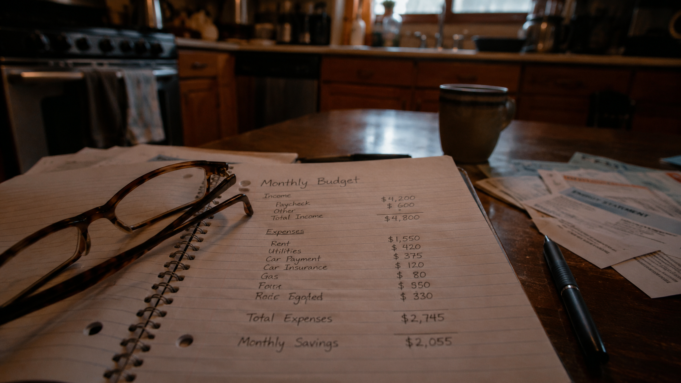
92% of Americans cut back spending in 2025. Here are 20 frugal living tips that actually move your monthly number, ranked by category and realistic impact.

38% of Americans have a side hustle. The median earns $400 a month. Here are 12 of the best side hustles from home in 2026, ranked by realistic earning potential for someone starting from zero.
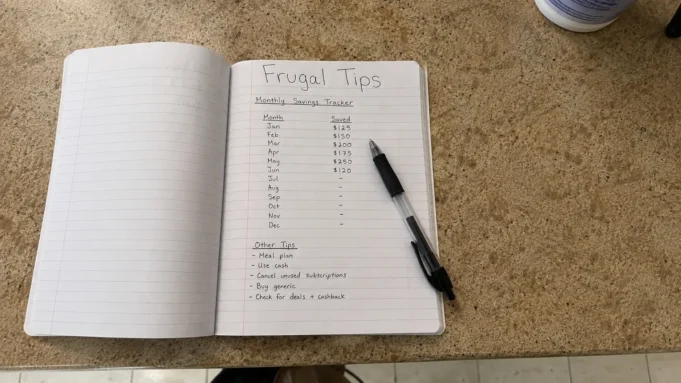
83% of Americans call themselves frugal. Most are cutting the wrong things. Here are 15 frugal living tips ranked by actual dollar impact, including several most personal finance sites never mention.

Most households overpay on at least three bills right now without knowing it. Here’s how to save money on bills across electricity, gas, internet, phone, insurance, and subscriptions with specific numbers and one-time fixes.
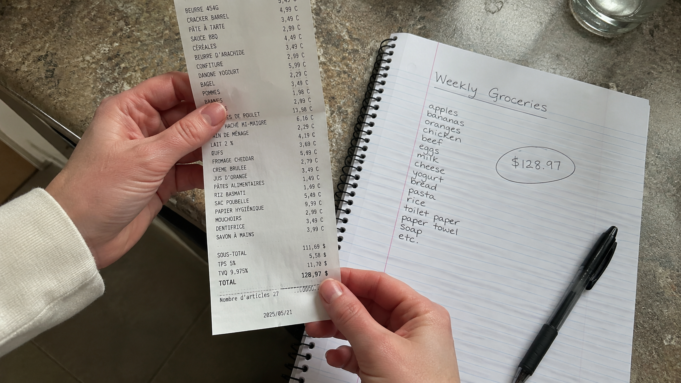
Most grocery budgets fail because they’re based on wishful thinking, not real data. Here’s how to save money on groceries by benchmarking against USDA data, choosing the right store, and building a weekly system that actually holds.
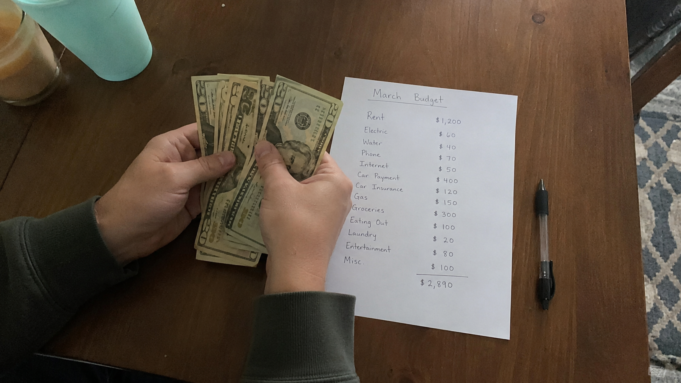
Extreme frugal living is real and it works. But most guides are either aspirational nonsense or a list of 50 tips with no honest accounting of the tradeoffs. Here’s what aggressive frugality actually looks like at a normal income.
SoFi pays a higher rate. Ally has better features. Here's the actual answer on which one wins for your situation — and when it makes sense to use both.
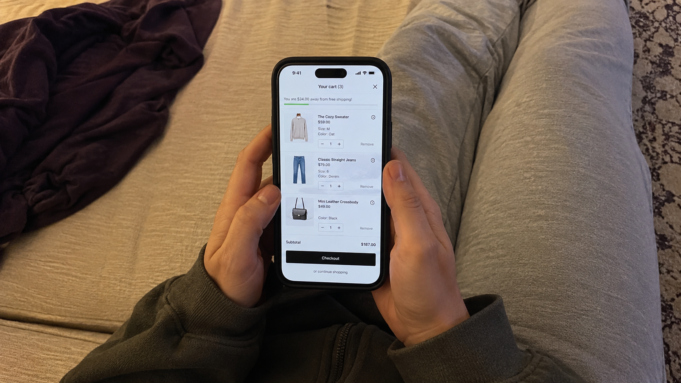
The average American spends $282 a month on impulse purchases. Most advice says use more willpower. That’s the wrong fix. Here’s how to stop impulse buying by changing your environment instead.
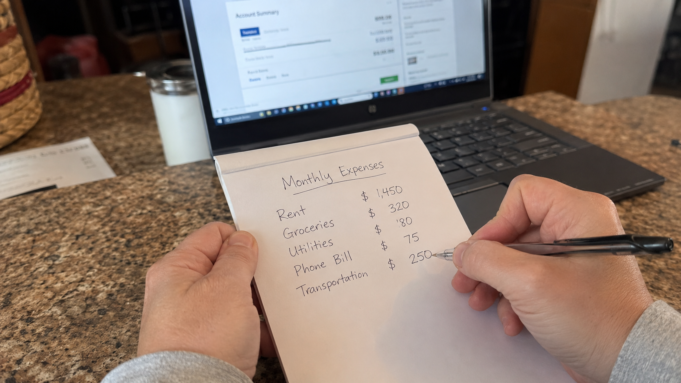
Most frugal living hacks lists treat every tip as equal. Making your own soap gets the same bullet point as negotiating your rent. Here’s an honest ranking by actual dollar impact so you start where the money is.

Most food budget advice stops at the grocery store. But the average household spends $879 a month eating out on top of groceries. Here's how to save money on food across the whole budget.