


Which Budgeting Method Is Actually Best for You: 4 Simple Ways to Choose

It’s one of the most common patterns in personal finance: someone spends months trying a budgeting method, getting nowhere, and concludes they’re just bad with money.
Usually they’re not. They picked the wrong system for their actual problem. The method didn’t match how they live.
The question of which budgeting method is best doesn’t have one universal answer. But it does have the right answer for you, based on a few things that most articles skip right over.
Here’s how to figure it out, fast.
The 4 Main Budgeting Methods (and Who Each One Is Actually For)
Before you can answer which budgeting method is best for your life, you need to know what’s on the table. These are the four methods that actually work for everyday people, based on how widely they’re used and how much research backs them. Each one solves a different problem, which is exactly why figuring out which budgeting method is best starts with identifying your problem first.
1. The 50/30/20 Rule
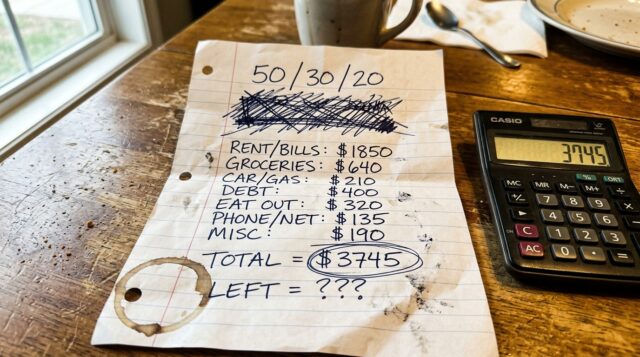
Split your take-home pay three ways: 50% to needs, 30% to wants, 20% to savings and debt. Simple percentages, no spreadsheet required.
Best for: People who want a loose framework with no tracking. If you hate the idea of logging every coffee, this gives you permission to spend within bands without obsessing over categories.
The catch: In expensive cities or on lower incomes, the 50% needs bucket fills up fast, often leaving nothing for the other two. It doesn’t work as cleanly as it sounds for most people right now.
According to a Discover survey, 64% of Americans didn’t create a budget at all in 2024. The best budgeting method is the one you’ll actually use, not the most sophisticated one.
2. Zero-Based Budgeting
Every dollar gets a job. Income minus expenses equals zero, not because you spend everything, but because you assign every dollar intentionally, including savings and investments.
Best for: People who want complete control and are willing to put in the time each month. If you’ve ever wondered where your money went, zero-based budgeting answers that question definitively.
The catch: It takes work. You’re rebuilding the budget from scratch each month. Tools like YNAB make it manageable, but it’s not a set-and-forget system.
See a real zero-based budget on a $48,000 salary here.
3. The Cash Envelope Method
You withdraw physical cash for each spending category and put it in labeled envelopes. When the envelope is empty, spending in that category stops.
Best for: People who overspend in specific areas and want a hard stop. The physical act of handing over cash creates friction that digital spending doesn’t. It’s especially useful for groceries, dining out, and entertainment.
The catch: It’s awkward in a world built for cards and contactless payments. Most people use a hybrid: digital for fixed bills, cash envelopes for variable spending categories.
Here’s how to make it work even if you hate carrying cash.
4. Pay Yourself First
Before you pay any bill, before you buy anything, you move a set amount into savings or investments. Whatever’s left is yours to spend however you want.
Best for: People who are decent at not overspending but consistently fail to save. It removes savings from the decision entirely by automating it before you even see the money.
The catch: It works best when your income is stable and predictable. If your expenses vary a lot month to month, you need to dial in the savings amount carefully to avoid shortfalls.
Here’s exactly how much to save and where to put it.

Which Budgeting Method Is Best for Your Situation
Here’s the honest shortcut to figuring out which budgeting method is best for you specifically. Answer these four questions and the right method will become obvious. Most people find that one answer immediately rules out two or three options, which is the whole point of the exercise.
If the answer is no, start with zero-based budgeting. You need full visibility before you can make any other system work. Even one month of zero-based budgeting will show you patterns you didn’t know existed.
Groceries, takeout, online shopping, subscriptions. If you can name the problem category, the cash envelope method is your fastest fix. You don’t need to overhaul your whole budget. Just put that one category in an envelope and watch what happens.
Pay yourself first solves this directly. You’re not bad at spending. You’re just trying to save what’s left over at the end of the month, and there’s never anything left. Automating savings before you touch a single dollar changes the equation immediately.
The 50/30/20 rule is for you. It’s not perfect, especially at lower incomes, but it’s better than nothing and far better than going in blind. If you’re completely new to budgeting, this is the lowest-friction place to start.
Side-by-Side: Which Budgeting Method Is Best for Your Situation at a Glance
| Method | Time Required | Best Problem It Solves | Not Great For |
|---|---|---|---|
| 50/30/20 | Minimal | No structure at all | Tight incomes, high cost areas |
| Zero-Based | High (monthly rebuild) | Mystery spending | People who hate admin |
| Cash Envelope | Medium (setup + weekly) | Overspending in one area | Digital-first lifestyles |
| Pay Yourself First | Minimal (once set up) | Never saving anything | Unstable or variable income |
3 Mistakes People Make When Choosing a Budgeting Method
Mistake 1: Picking the Most Popular One Instead of the Right One
Zero-based budgeting gets a lot of praise online, and it deserves it. But if you’re already decent at spending and just can’t get savings to stick, zero-based budgeting is overkill. You’ll spend two hours a month rebuilding a budget when a simple automated transfer would have solved the problem in five minutes.
Mistake 2: Treating a Failed Method as Personal Failure
If the cash envelope system didn’t work for you, that’s data, not a character flaw. Most people try one method, struggle with it, and conclude that budgeting just isn’t for them. The method didn’t match the problem. Try a different one.
Mistake 3: Using One Method When You Need Two
These methods aren’t mutually exclusive. Pay yourself first handles savings. Zero-based handles spending visibility. Cash envelopes handle the one category you keep blowing. A lot of people do best running two at once, especially in the first few months when they’re still figuring out their patterns.
If you’re completely new to budgeting, start with zero-based for one month only, not as a permanent system, just to see where your money actually goes. Then switch to the method that matches what you found.
The Right App Makes Any Method Easier
The method matters. The tool matters almost as much, because the best budgeting method is the one you actually keep doing.
YNAB (You Need A Budget): Built specifically for zero-based budgeting. Every dollar gets assigned before it gets spent. It has a learning curve, but it’s the most effective tool for people who want complete control.
Empower (formerly Personal Capital): Better for tracking than active budgeting. If you want to see where everything is going without manually rebuilding a budget each month, Empower gives you the overview.
Copilot: The cleanest interface of the three. Good for people who want smart category suggestions without doing everything manually. Works well alongside pay yourself first.
None of these are required. A spreadsheet and a bank account with automatic transfers will get you most of the way there. The app is the system, not a substitute for one.
If you’re also looking at where to park your savings once you’ve got a method in place, the best high-yield savings accounts right now are worth knowing about.
The Best Budgeting Method Is the One That Matches Your Actual Problem
Asking which budgeting method is best is the right question, and the answer depends entirely on your specific problem, not on what’s trending online.
There is a right answer for where you are right now. It comes down to one thing: what’s actually breaking down in your finances?
Mystery spending? Zero-based.
One category keeps blowing up? Cash envelope.
Never saving? Pay yourself first.
No structure at all? 50/30/20 to start.
Pick the one that solves your actual problem. Give it 60 days before you judge it. Switching methods isn’t failure. It’s how you find what works.
According to a Debt.com survey, 86% of people who budget say it helped them get out of debt or stay out of it. The method matters less than starting.