The problem with most frugal living hacks lists is that they treat every tip as equal. Making your own cleaning products gets the same bullet point as negotiating your rent. One saves you $4 a month. The other saves you $200. Knowing which is which changes everything about where you put your effort.
Most people trying to live more frugally run out of motivation not because frugality doesn’t work, but because they spent six months optimizing the wrong things. They made their own laundry detergent and clipped coupons and skipped coffee while their car insurance, subscriptions, and phone plan quietly ran $400 a month over what they needed to pay.
These frugal living hacks are ranked by actual dollar impact so you can start where the money is.
High-Leverage Frugal Living Hacks: Where the Real Money Is
These are the frugal living hacks that move your budget by hundreds of dollars a month. They require more effort than switching to store-brand cereal. They are worth it by an order of magnitude.
Hack 1: Audit every recurring subscription and service
The average American household pays for 4.5 streaming services, according to J.D. Power’s 2024 Streaming Satisfaction Study. That’s before gym memberships, software subscriptions, news sites, cloud storage, meal kits, and the Amazon Prime auto-renewal from three years ago.
Open your bank and credit card statements. Search for every recurring charge. List them. Most households find $100 to $300 in monthly subscriptions when they do this for the first time, including charges they have no memory of signing up for.
Cancel anything unused for 60 days. Rotate streaming services instead of stacking them. One service for two months, then switch. You watch the same content on a longer timeline for a third of the cost.
Realistic monthly saving: $80 to $200
Hack 2: Negotiate or switch your insurance annually
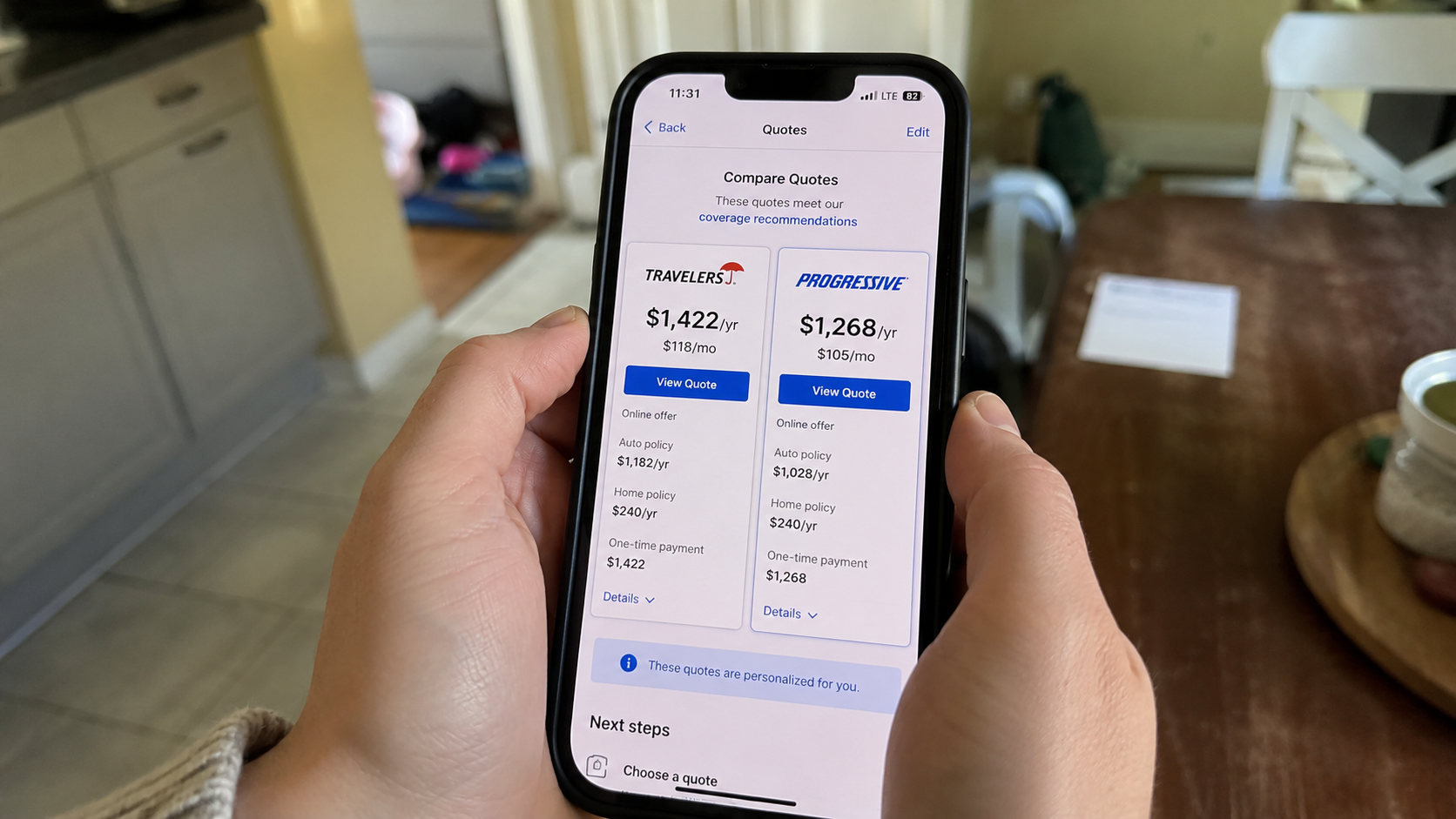
Insurance companies give their best rates to new customers, not loyal ones. Car insurance, home insurance, and renters insurance all follow this pattern. Staying with the same provider for three or more years without shopping around almost guarantees you’re overpaying.
Get comparison quotes once a year, either through an aggregator like NerdWallet or by calling two or three competitors directly. The call takes 20 minutes. The average saving on car insurance alone when switching providers is $461 per year according to Bankrate’s 2025 auto insurance analysis.
You don’t have to switch. Call your current provider with a competitor quote and ask them to match it. Many will.
Realistic monthly saving: $40 to $80
Hack 3: Negotiate your rent at renewal
Most renters accept whatever renewal rate their landlord sends. Most landlords would rather give a discount than deal with a vacancy, cleaning, repairs, and finding a new tenant, which typically costs $1,000 to $3,000 in downtime and turnover costs.
Before your lease renews, research what comparable units in your building or neighborhood are actually renting for. If the market rate is lower than your renewal offer, say so. Ask for either a rent reduction or an upgrade at the same rate. The worst answer is no. The best answer is $100 off per month for doing nothing except asking.
Realistic monthly saving: $50 to $200 if successful
Hack 4: Lower your phone bill without changing your phone
The big four carriers charge $60 to $100 per line per month. MVNOs like Mint Mobile, Visible, and Consumer Cellular run on the same towers for $15 to $35 per month.
Mint Mobile’s 15GB plan runs $15 per month on a 12-month prepaid plan. Visible runs $25 per month unlimited on Verizon’s network. For a two-person household switching from $80 per line to $25 per line, that’s $110 a month back with no change to network coverage.
Realistic monthly saving: $40 to $120 per household
Hack 5: Cut the grocery bill with a system, not willpower
Meal planning before shopping, switching staples to store brand, and tracking food waste consistently saves 15 to 30% on the average grocery bill. On a $519 monthly spend that’s $78 to $156 per month from three habits that become automatic within four to six weeks.
The full breakdown is in this guide to saving money on groceries, including the specific moment in the shopping trip where most budgets break.
Realistic monthly saving: $78 to $156
Subscriptions ($80-200) + insurance ($40-80) + phone ($40-120) + groceries ($78-156) = $238 to $556 per month from five frugal living hacks, before touching anything else. That’s where to start.
Medium-Leverage Frugal Living Hacks: Worth Doing After the Big Ones
These frugal living hacks save real money but require more consistent behavioral change than a one-time audit or phone call. Worth implementing once the high-leverage items are handled.
Hack 6: Switch delivery orders to pickup
Delivery fees, service fees, and tip prompts add 50 to 80% to the cost of any food order. A $15 meal costs $22 to $28 via delivery. Switching to pickup on two orders per week saves roughly $18 per week, or $936 per year with zero change to what you eat.
Realistic monthly saving: $60 to $100
Hack 7: Use cashback apps on purchases you were already making
Ibotta, Fetch, and Rakuten give real money back on groceries, gas, and online purchases. The rule: only activate offers for items already on your list. The moment you buy something because of a cashback offer, it stops being a saving and becomes a spending trigger.
Used correctly, Ibotta returns $10 to $30 per month on a normal grocery run. Rakuten returns 1 to 15% cashback on online purchases at thousands of retailers. Both are free and take five minutes to set up.
Realistic monthly saving: $20 to $60
Hack 8: Buy quality used instead of cheap new
For furniture, clothing, tools, electronics, and kitchen equipment, buying secondhand from Facebook Marketplace, ThredUp, or local thrift stores typically costs 20 to 70% less than new. A well-made secondhand item outlasts a cheap new one by years.
The frugal living hack here is not “buy used always.” It’s “buy quality always, and quality used is almost always cheaper than quality new.” A $40 cast iron skillet from a thrift store lasts longer than a $40 nonstick pan from a discount retailer.
Realistic monthly saving: $30 to $100 for households who buy clothing and household items regularly
Hack 9: Automate savings before you can spend them
Saving whatever is left at the end of the month means saving nothing, because there is never anything left. The pay yourself first method flips this: a fixed amount moves to savings automatically on payday before any discretionary spending happens.
Even $50 per payday adds up to $1,300 per year. At $150, it’s $3,900. The behavioral trick is that money you never see hit your checking account doesn’t feel like a loss. Here’s how to set it up in one step.
Monthly saving: Whatever you set it at, because it happens automatically
Hack 10: Batch cook one item per week
One pot of grains, one batch of protein, or one large soup per week eliminates the most expensive meal in most budgets: the weekday lunch bought out of necessity because there’s nothing ready at home.
A batch of chicken thighs ($12) covers lunches for two people for three days. The individual restaurant lunch costs $12 per person per day. The math compounds over a month into $150 to $250 in savings from one weekly habit.
Realistic monthly saving: $80 to $150
Low-Leverage Frugal Living Hacks: Fine to Do, Not Worth Prioritizing
These are the frugal living hacks that get the most coverage online and save the least money. Not wrong. Just wildly overhyped relative to the effort involved and the dollar return.
Making your own cleaning products
Vinegar and baking soda work for some tasks. The saving versus buying store-brand cleaning products is $5 to $10 per month. Do this if you enjoy it. Don’t do it as a primary frugality strategy.
Extreme couponing
Professional couponers save real money, but 5 to 10 hours per week is the time investment for people who do it seriously. At minimum wage that time is worth $50 to $100. The savings need to exceed the time cost. For most people the math doesn’t work. Use coupons on items already on your list. Don’t build your grocery strategy around them.
Skipping coffee
A $5 daily coffee is $150 per month, which is real money. But if you’re paying $200 a month more than necessary on car insurance and haven’t called to fix it, the coffee is not your problem. Fix the big leaks first.
Generic toothpaste and toiletries
Fine. Worth doing. Saves $10 to $20 per month. Do it. But don’t let it make you feel like you’re doing frugal living when the subscription audit hasn’t happened yet.
How to Actually Use These Frugal Living Hacks
The order matters. Start with the hacks that require a one-time action and produce ongoing savings.
Open your bank and credit card statements. Highlight every recurring charge. List them. Cancel anything unused. Rotate streaming services to one at a time. One hour of work, $80 to $200 per month saved permanently.
Get one quote on a cheaper phone plan. Get one comparison quote on car insurance. Make the calls. Two hours of work for a potential $100 to $200 in monthly savings that compounds every month going forward.
Meal planning, delivery-to-pickup switches, batch cooking, and cashback apps. Layer these in one at a time over four to six weeks. Each becomes automatic quickly.
High-leverage hacks alone: $238 to $556 per month. Add medium-leverage habits: another $200 to $400. Combined annual saving: $5,256 to $11,472 per year from frugal living hacks already available to most households.
Frugal Living Hacks That Actually Work Start With the Big Numbers
The frugal living hacks that change budgets are not the ones that get the most blog coverage. They’re the ones that touch the biggest line items: housing costs, insurance, phone plans, subscriptions, and food. These are the categories where households consistently overpay by the largest margins, and where a one-time fix produces ongoing savings with no further effort.
The DIY cleaning products and skipped coffees are fine. Do them if they suit your life. But do them after the subscription audit, not instead of it.
Once the savings are freed up, the next question is what to do with them. Here’s where to keep your savings so they actually earn something while you build toward whatever comes next. And if you want a budgeting system that makes frugal living automatic rather than effortful, this guide to choosing the right budgeting method will match you with the one that fits how you actually live.