
Saving Money

Home Saving Money Page 2
Ways to save money and cut expenses

How to Build an Emergency Fund: 5 Steps to Your First $1,000 and Beyond
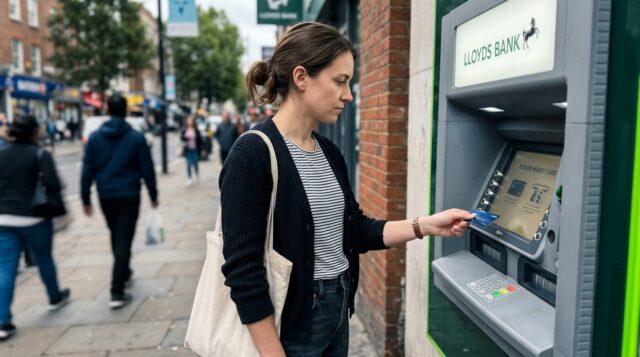
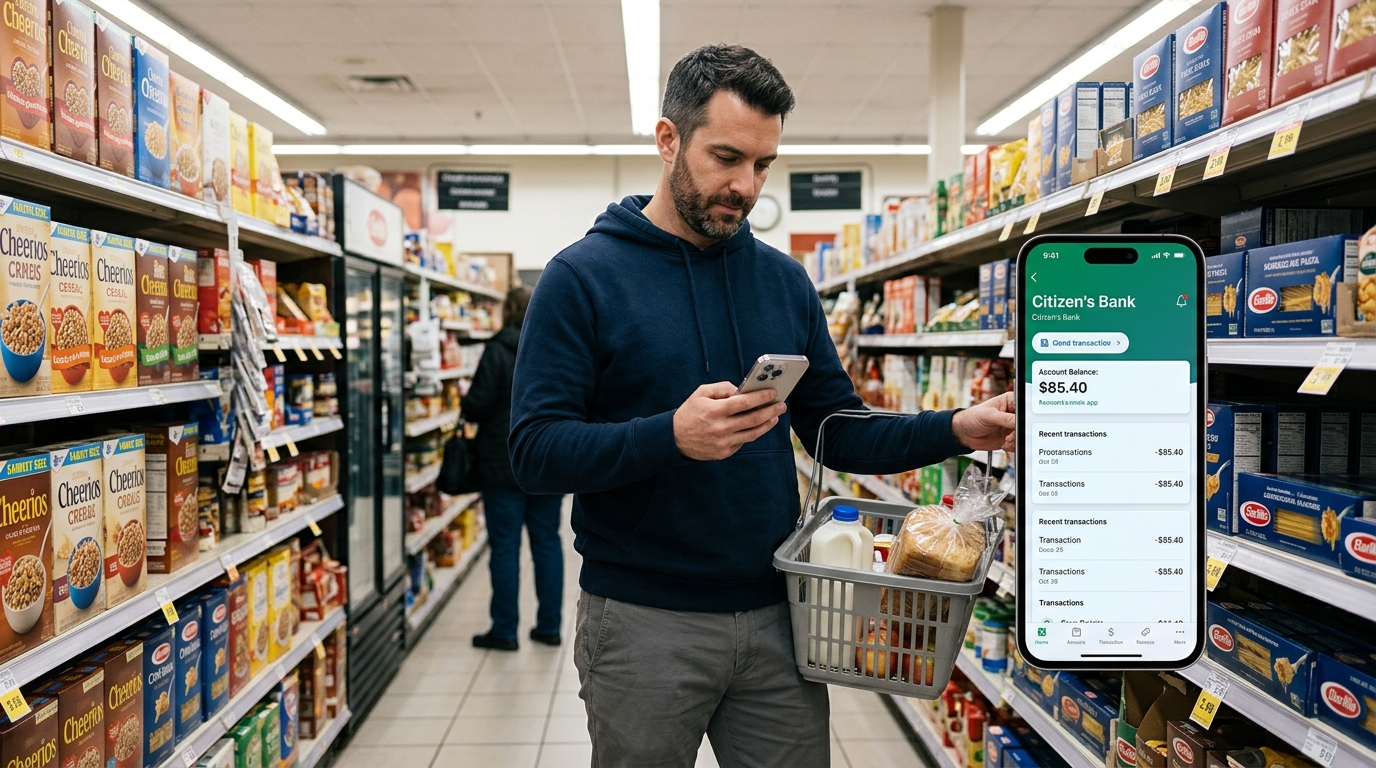
how to build an emergency fund starting with phone and banking app

The math on not having an emergency fund is brutal. A $380 car repair with no buffer goes on a credit card. Four months of minimum payments later, that $380 problem costs closer to $430. The repair is done but the debt isn’t.

Most articles will tell you to save three to six months of expenses. That’s the right destination. But if you’re starting from close to zero, that target is so far away it stops functioning as motivation and starts functioning as an excuse to not start at all.

Here’s how to build an emergency fund that actually gets built, starting with a number that doesn’t require a miracle to reach.

THE REALITY

According to an Empower survey of 2,202 Americans conducted in June 2025, 1 in 3 Americans have no emergency savings at all. A U.S. News survey from February 2026 found that more than 2 in 5 Americans couldn’t cover a $1,000 emergency expense from savings. If that’s you right now, you’re not behind. You’re in the majority. But that doesn’t mean you should stay there.

STEP BY STEP

How to Build an Emergency Fund in 5 Steps

01
Set your first target at $1,000, not 3 to 6 months

$1,000 covers the most common single emergencies: a car repair, a medical copay, a broken appliance. It’s achievable in weeks or a few months on most incomes. And once you hit it, the habit is already built. You move to one month of expenses, then three, then six. The number grows because the behavior is already there, not the other way around.

02
Open a separate account specifically for your emergency fund

Money that sits next to your spending money gets spent. Your emergency fund needs to be one extra step away: visible enough that you know it’s there, separate enough that you don’t absent-mindedly drain it.

A high-yield savings account is the right place for it. You earn a real return while the money sits there, and the slight friction of a transfer means you won’t dip into it for things that aren’t actually emergencies. Here are the best high-yield savings accounts right now if you need somewhere to start.

QUICK TIP

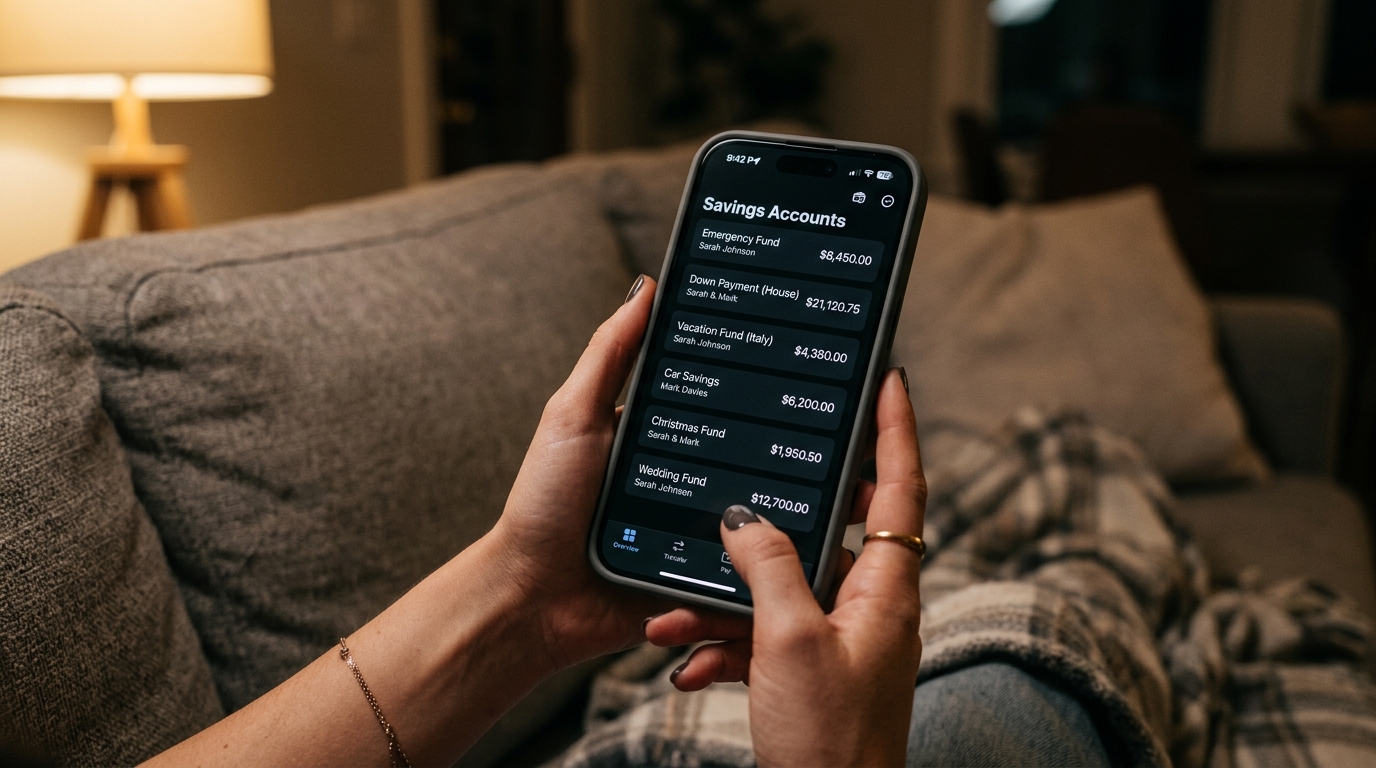
Name the account something specific in your banking app. “Emergency Fund” or “Do Not Touch” creates psychological friction that makes it harder to raid for non-emergencies. Small thing. It works.

03
Automate a fixed transfer every payday, however small

This is the step that actually builds the fund. Not willpower. Not remembering. Automation.

Pick an amount that won’t break your budget. $25, $50, $75. Set up an automatic transfer from checking to your emergency fund on the same day you get paid, before you touch anything else. $50 a month gets you to $1,000 in 20 months. $100 gets you there in 10. The amount matters less than the fact that it happens without you deciding each time.

how to build an emergency fund automatic transfer set up on phone

04
Find one expense to cut and redirect it to the fund

Automation handles consistency. One cut accelerates the timeline. You don’t need to overhaul your whole budget, you need one thing: one subscription you forgot you had, one fewer takeout meal per week, one impulse category you pause for 90 days. Redirect that amount on the same day you would have spent it.

On top of a $75 automatic transfer, an extra $40 gets you to $1,000 in under nine months instead of over a year. And if you get a tax refund, a bonus, or any windfall, putting half of it straight into the fund can skip months of slow saving in a single move.

WORTH KNOWING

If you’re working on paying down debt at the same time, get to $1,000 in the emergency fund first before attacking debt aggressively. Without a buffer, the next unexpected expense goes straight on a credit card and undoes your progress. The $1,000 floor exists specifically to break that cycle.

05
Decide what counts as an emergency before you ever need to spend it

The fund gets raided most often not because of true emergencies but because people haven’t defined what qualifies. Under financial stress, almost anything feels urgent.

Before you build the fund, decide what it’s for. Job loss: yes. Medical bill: yes. Car repair that stops you getting to work: yes. Flight home for a wedding: no. New phone because yours is slow: no. Sale on something you were planning to buy anyway: absolutely not.

Make that list once, clearly, without pressure. Not six times in the heat of the moment when your judgment is compromised.

HOW MUCH

Emergency Fund: How Much You Actually Need at Each Stage

Three to six months of expenses is the right destination. Most people need staged targets to get there without losing momentum.

Stage Target What It Covers
Stage 1 $1,000 Most common one-off emergencies: car repair, medical copay, appliance
Stage 2 1 month of expenses Short-term job loss, major unexpected bill, bridging a gap
Stage 3 3 months of expenses Job loss with standard notice period, health emergency, serious car or home repair
Stage 4 6 months of expenses Full job loss buffer, essential for freelancers, single-income households, variable income

To calculate your monthly expenses: add up rent or mortgage, utilities, groceries, insurance, minimum debt payments, transport. Not subscriptions, not dining out, not discretionary spending. Just the non-negotiables. Multiply by three for Stage 3. Multiply by six for Stage 4.

COMMON QUESTIONS

3 Questions People Always Ask About How to Build an Emergency Fund

Where should I keep my emergency fund?

A high-yield savings account. Accessible within one to two business days, earning a real return, separate from your daily spending. Do not invest it in stocks or ETFs. The whole point is that it’s there when you need it, not down 20% during the exact market crash that also cost you your job.

Should I build an emergency fund or pay off debt first?

Get to $1,000 first, then attack debt. Without a minimum buffer, the next unexpected expense goes on a credit card and resets your progress. Once you hit $1,000, focus on high-interest debt while keeping that floor intact. Return to building the full fund once the expensive debt is gone.

What if I use it and have to start over?

That’s what it’s for. Using it is not a failure. Replenishing it is the only move. Restart your automatic transfer the same week the emergency is handled, even if you’re back to $25 a month. The system is designed to be rebuilt. That’s the whole point.

BOTTOM LINE

Start With $1,000. Everything Else Follows.

Knowing how to build an emergency fund is the easy part. Starting when the amount you can set aside feels embarrassingly small is the hard part.

$25 a week is $1,300 a year. $50 a week is $2,600. The math works at any contribution level. What doesn’t work is waiting until you can afford to save more.

Open the account today. Set one automatic transfer. Define what an emergency is. Then leave it alone until you actually need it.

If you haven’t sorted out your budgeting system yet to free up room to save, this guide to choosing the right budgeting method will help. And if you’re using the pay yourself first approach, your emergency fund is exactly where that first automated transfer should go.

According to Empower’s 2025 Safety Net research, 64% of Americans say building emergency savings is their top financial priority. Most of them still haven’t started. The difference between those who do and those who don’t is almost always the same thing: they stopped waiting for the right moment and automated the first transfer anyway.
Best High Yield Savings Accounts — June 2026: Which Ones Are Actually Worth It

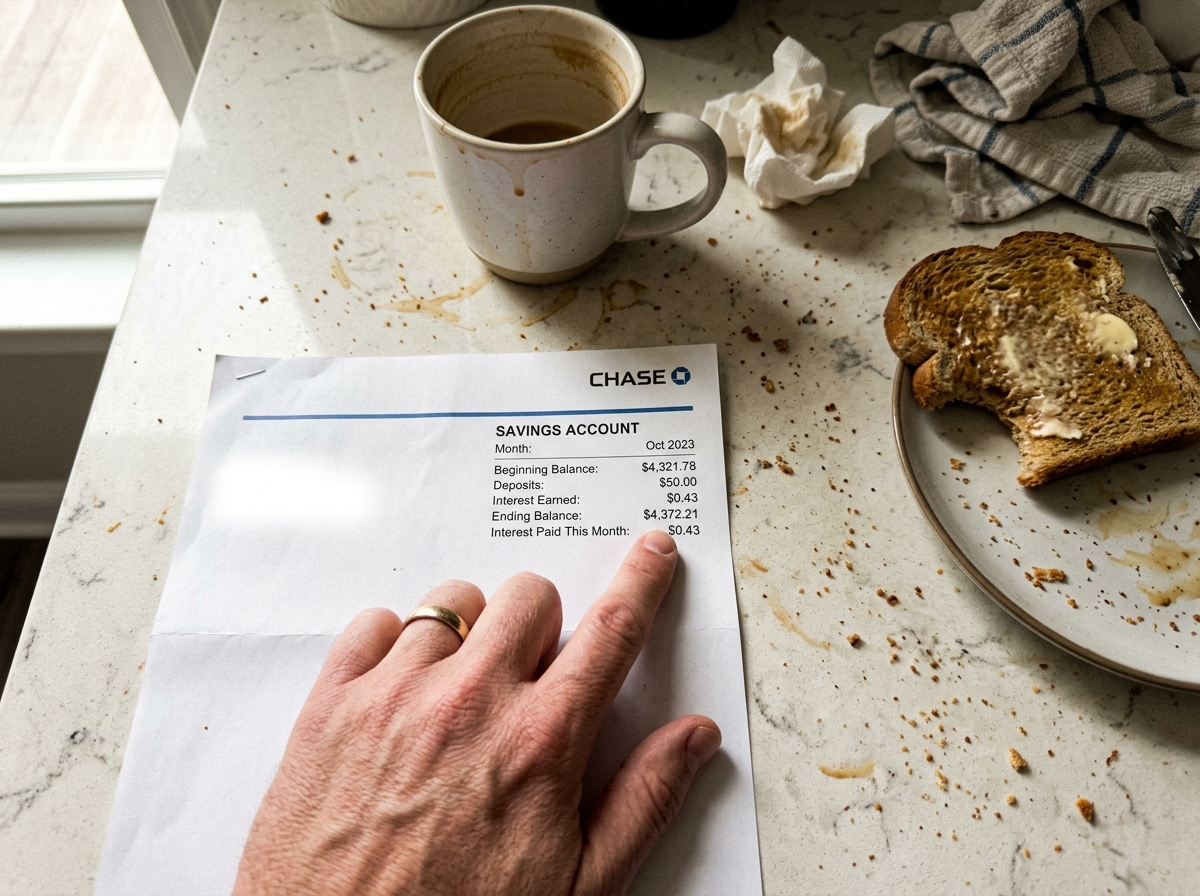
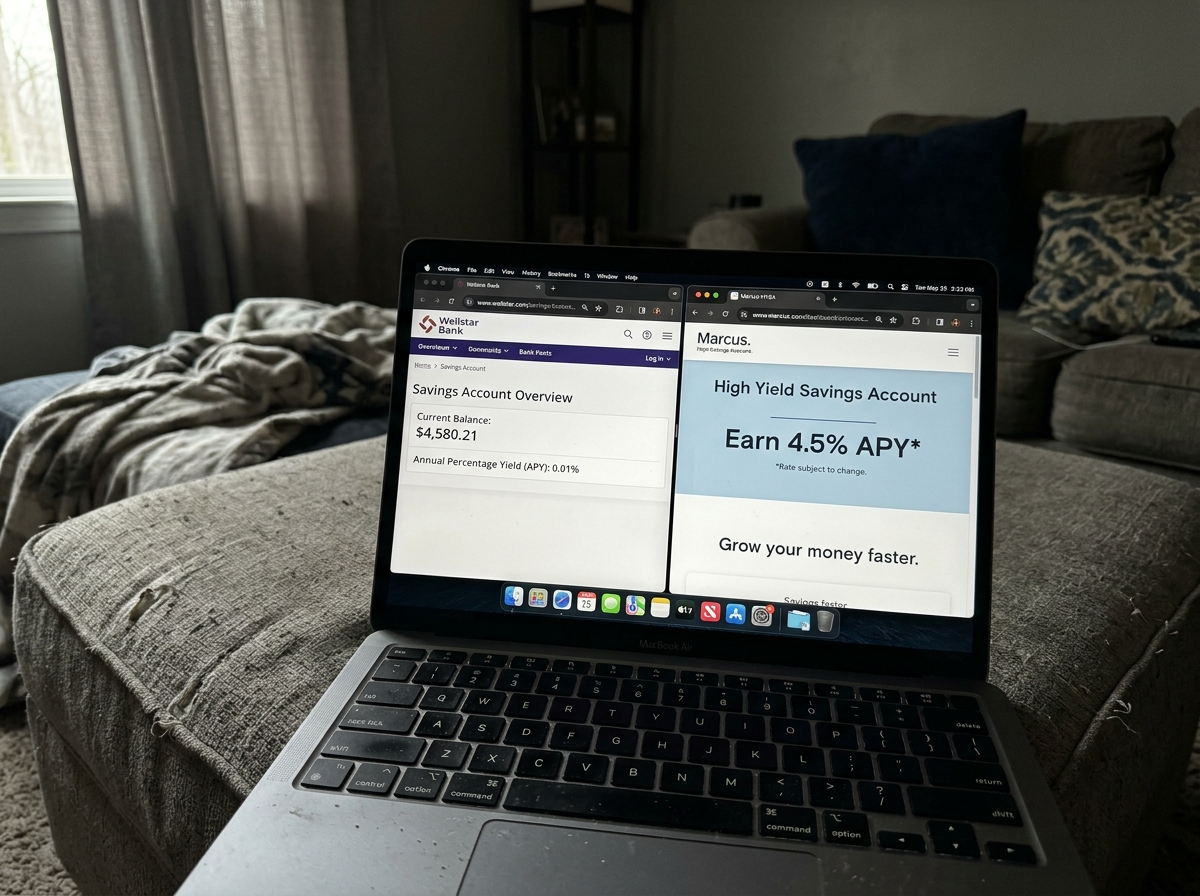
The national average savings rate is 0.38% APY according to the FDIC as of May 2026. The best high yield savings accounts are paying over 3.5% right now. On $10,000 that is the difference between $38 a year and $380 a year — for doing nothing differently except choosing a better account.

Rates have come down from their 2024 peaks. That does not mean you should ignore this. You are still leaving hundreds of dollars on the table every year if your savings are sitting in a traditional bank account earning next to nothing.

This is an up-to-date breakdown of which accounts are worth opening right now, what conditions are buried in the fine print, and what to actually do today. Rates verified June 12, 2026.

What You Need To Know First

What Is a High Yield Savings Account

There is no special account type here. A high yield savings account is just a savings account that pays a meaningfully higher rate than what traditional banks offer. The reason online banks can do this is simple: no physical branches, lower overhead, and they pass some of that saving on to you as a higher APY.

Your money stays liquid. You can transfer it back to your checking account whenever you need it, usually within one to two business days. This is not a CD. Nothing is locked up.

Is it safe?

Yes. Ally, Marcus, and SoFi are all FDIC-insured. Your deposits are protected up to $250,000 per depositor, identical to any traditional bank. The bank being online changes nothing about that protection.

The Accounts

Best High Yield Savings Accounts — June 2026

All rates verified June 12, 2026. These are accounts with consistently competitive APYs, no monthly fees, and no minimum balance requirements unless noted.

best high yield savings accounts 2026 APY comparison on laptop screen

SoFi: 3.80% APY (up to 4.50% for SoFi Plus members)

SoFi’s standard rate of 3.80% APY requires an eligible direct deposit or a qualifying deposit of at least $5,000 every 31 days. Without either of those, you earn 0.80% APY. SoFi Plus members — who pay a $10 monthly subscription — can access a higher promotional rate currently up to 4.50% APY.

If you are comfortable routing your paycheck through SoFi, this is the strongest option on the list. The app is well built, there is a checking account included, and the combination product is genuinely good for anyone looking to consolidate their banking. New members also get a 0.70% APY boost for the first six months as of this writing.

Read the fine print

SoFi’s 3.80% rate requires direct deposit or $5,000 in monthly deposits. Without either you earn 0.80%. A lot of people open the account, skip the setup, and wonder why they are not earning the rate they signed up for. Do not be that person.

Marcus by Goldman Sachs: 3.40% APY

Clean, no-nonsense setup. No fees, no minimums, no direct deposit requirement. You open it, put money in, and earn 3.40%. Same-day transfers of $100,000 or less to external accounts. The only limitation is no checking account, so you keep your main bank elsewhere and use Marcus purely for savings. For most people that is not a problem — and the lack of conditions is the point.

Ally Bank: 3.10% APY

No minimum balance. No monthly fees. No conditions. The rate you see is the rate you get from day one. Ally has come down from its highs but remains one of the most user-friendly accounts available. The bucket feature inside the account lets you split savings into named goals without opening separate accounts. The mobile app is genuinely well built. Best starting point for most people who want something simple with no strings attached.

Side by Side

Quick Comparison — June 2026

Bank APY Minimum Condition Checking included
SoFi 3.80% (4.50% SoFi Plus) $0 Direct deposit or $5k/mo Yes
Marcus 3.40% $0 None No
Ally 3.10% $0 None Yes

Rates verified June 12, 2026. APYs are variable and subject to change.

SoFi vs Ally vs Marcus

Which One Should You Actually Open

The right answer depends on one question: are you willing to move your direct deposit?

Pick SoFi if you want the highest rate and are comfortable using it as your primary bank. The combination checking and savings account works well as an all-in-one setup. Route your paycheck there, earn 3.80%, and you are done. If you want the absolute top rate and do not mind a $10 monthly fee, SoFi Plus gets you to 4.50%.

Pick Marcus if you want a clean no-conditions rate with no account juggling. 3.40% APY, no fees, no minimums, no direct deposit requirement. Keep your existing checking account and just park your savings here. Transfers are fast — same-day for amounts under $100,000.

Pick Ally if you want the simplest setup with the most features. 3.10% APY with no conditions, a checking account option, savings buckets, and one of the better banking apps available. Slightly lower rate than Marcus but more product depth if you want everything in one place.

Rachel’s take

If I had to pick one today I would go Marcus for savings and keep my checking where it is. No conditions, competitive rate, fast transfers, and I do not have to think about whether my direct deposit is set up correctly. Simple wins.

Want a detailed head-to-head breakdown? I put together a full Ally vs Marcus vs SoFi comparison that goes through every difference that actually matters.

Are Rates Dropping

Will These Rates Last

Rates have already come down since 2024. The Fed cut rates three times in late 2025 and has held steady so far in 2026, with the target range sitting between 3.50% and 3.75%. No change was announced at the April 29 meeting. The next decision is June 17, 2026.

Goldman Sachs Research expects rate cuts in September and December 2026. If that happens, savings rates will follow down. The window to lock in current rates — even in a no-penalty CD — is closing.

Rates are lower than 2024 but still more than eight times the national average. The math still works in your favor.

National average: 0.38% APY per FDIC, May 2026

What To Do

How To Actually Open One Today

The application takes about ten minutes. You will need your Social Security number, a government ID, and your existing bank account details to set up the transfer link. Most accounts are open and funded within one to two business days.

Set up an automatic transfer on payday — even $50. You will not miss money you never see hit your checking account, and consistent deposits compounding at 3%+ add up meaningfully over a year. The pay yourself first method explains exactly how to automate this so it happens before you spend anything.

Not sure how much to keep in a HYSA versus other savings goals? The emergency fund vs savings account breakdown explains how to split it correctly. Or use the free emergency fund calculator to find your exact target number.

Common Questions

Questions Worth Answering

What is the best high yield savings account right now?

As of June 2026, SoFi offers the highest rate at 3.80% APY with direct deposit, or up to 4.50% for SoFi Plus members. Marcus offers 3.40% APY with no conditions. Ally offers 3.10% APY with no conditions. The best account depends on whether you want the highest rate with conditions or a clean no-strings rate.

Is SoFi or Ally better for savings?

SoFi pays a higher rate (3.80% vs 3.10%) but requires direct deposit or $5,000 in monthly deposits to earn it. Ally requires nothing and works as a standalone savings account. If you want the highest rate and are willing to use SoFi as your primary bank, SoFi wins. If you want simplicity with no conditions, Ally is the better fit. For a full comparison see the Ally vs Marcus vs SoFi breakdown.

Is Marcus by Goldman Sachs still a good HYSA in 2026?

Yes. Marcus is at 3.40% APY with no fees, no minimums, and no conditions. The rate has come down from 2024 highs but it remains competitive, especially for people who want a pure savings account without changing their primary bank setup.

What APY can I get on a high yield savings account in 2026?

The top no-condition rate is Marcus at 3.40% APY. With direct deposit, SoFi pays 3.80%. SoFi Plus members can access up to 4.50% APY. All of these are well above the national average of 0.38%.

Is my money safe in an online bank?

Yes, as long as it is FDIC-insured. Ally, Marcus, and SoFi all are. Your deposits are protected up to $250,000 per depositor, same as any traditional bank.

Can I withdraw whenever I want?

Yes. HYSAs are not CDs. There is no lock-up period. Transfers to your linked checking account typically take one to two business days.

Do I pay tax on the interest?

Yes. Interest earned is taxable income. Your bank will send a 1099-INT if you earn more than $10 in interest during the year.

Free monthly update
Savings rates change. We track them so you don’t have to.
One email per month. Current rates, no noise.

Get the update →


The national average savings rate is 0.38%. The best accounts are paying 3–4%. That gap does not close itself.

You do not need to overhaul your banking to fix this. Open one account, link it to your existing checking, move your savings over. Ten minutes of work, potentially hundreds of dollars a year in interest you were leaving on the table.

Not sure which budgeting method will help you actually build savings consistently? This guide to choosing the right budgeting method breaks down which approach fits your situation.

How to Use the Cash Envelope Method in 5 Steps (Even If You Hate Carrying Cash)

0
cash envelope method budgeting with labeled envelopes

Most people try the cash envelope method more than once before it actually works.

The first attempts usually end within two weeks. Not because the system doesn’t work. It does. The problem is forgetting envelopes at home, feeling awkward counting out cash at the register, and getting completely stuck when something needs to be bought online.

There’s a version that solves all of this: the same system, same psychology, different tools. No physical cash required.

This is that version.

QUICK ANSWER

The cash envelope method is a budgeting system where you divide your spending money into physical envelopes by category. When an envelope is empty, you stop spending. You can run the same system digitally using a separate checking account or a budgeting app. No cash required.

What the Cash Envelope Method Actually Is

The cash envelope method is a budgeting system built around one simple constraint: when the money in an envelope is gone, you stop spending in that category. No exceptions.

At the start of each month or pay period, you withdraw cash and divide it into labeled envelopes. One for groceries. One for eating out. One for gas. One for entertainment. Whatever categories matter for your budget.

When you spend, you pull from the envelope. When the envelope is empty, you’re done spending in that category until next month. No transfers, no “I’ll pay myself back.”

The cash envelope method works because cash is painful in a way that swiping a card is not. Research from MIT found that people spend significantly more when paying by card versus cash. The physical act of handing over money activates the part of the brain associated with loss, which slows you down.

The problem is that most people’s lives in 2025 aren’t set up for cash. According to the Federal Reserve’s 2025 Diary of Consumer Payment Choice, cash now accounts for just 14% of all U.S. consumer payments, down from 31% when the study began in 2016.

Nearly two-thirds of all cash payments are made by people who actually prefer other methods but use cash as a backup. So if you hate carrying cash, you’re not weird. You’re just in the majority. And you can still use the cash envelope method.

HOW IT WORKS

Step-by-Step: How to Set Up the Cash Envelope Method

01
Figure out your variable spending categories

The envelope method only applies to spending you actually control month to month. Rent, loan payments, subscriptions: those are fixed, leave them alone. The envelopes are for the categories where you consistently overspend.

Common categories: groceries, eating out, gas, entertainment, clothing, personal care, household items. Start with three to five. You can always add more once the system is running.

02
Assign a real number to each category

Don’t guess. Pull up your last two or three months of bank or credit card statements and look at what you actually spent. Then decide if that number is what you want to keep, or if you’re cutting it.

Be honest. If you spent $600 on groceries last month and you budget $200 this month, you will fail. Cut by 10 to 20% from your actual number, not from what you wish you spent.

03
Fund the envelopes at the start of each pay period

If you get paid monthly, fund everything on payday. If you get paid every two weeks, split each category amount in half and fund twice a month. The important thing is that you fund all envelopes at once, at the same time, every single time. Not when you feel like you need to spend.

04
Spend only from the envelope, and stop when it’s empty

This is the only rule that actually matters. When the groceries envelope is empty, you don’t borrow from the eating out envelope. You eat what’s already in the house. That friction is the whole point.

05
Decide what to do with leftover money

At the end of the month, you have two options. Roll the leftover into next month’s envelope for that category, or move it to savings. Both are fine. Pick one and be consistent. A common approach: roll leftover groceries money forward and sweep everything else to savings.

THE DIGITAL VERSION

How to Do the Cash Envelope Method Without Cash

This is the question Google is full of and most answers get wrong. They tell you to “just use an app” without explaining how to replicate the core mechanic: the money is gone when it’s gone.

There are two methods that actually work.

How to Use the Cash Envelope Method in 5 Steps

Method 1: The Separate Checking Account

Open a second free checking account. Most banks offer this. At the start of the month, transfer your total variable spending budget into it. That account is your envelope wallet. When the balance hits zero, you stop spending on discretionary items until next month.

The advantage: it uses real money with real limits. The friction of checking the balance before spending is similar to counting cash. It works best if you get a separate debit card for this account and only carry that card when you’re doing discretionary spending.

TIP

Ally Bank and SoFi both offer free checking with no minimums and easy transfers. If you want to go further, Ally lets you create savings “buckets,” essentially labeled sub-accounts, that mimic envelopes almost exactly.

Method 2: A Zero-Based Budgeting App

Apps like YNAB (You Need A Budget) are built entirely around the envelope concept, just digitally. Every dollar you earn gets assigned to a category. When a category is empty, you have to consciously move money from another one, which creates the same friction as borrowing from a physical envelope.

YNAB costs money ($109/year or $14.99/month at current pricing). If you don’t want to pay, Goodbudget has a free tier that uses a digital envelope system without connecting to your bank account. You enter transactions manually, which actually adds to the awareness.

HEADS UP

The app-only approach can fail if you don’t actually check the app before spending. The physical cash version works partly because you can see and feel the money. With an app, you have to build the habit of looking first. Give yourself a phone reminder before grocery runs for the first month.

PHYSICAL VS DIGITAL

Physical Cash vs Digital: Which Version Should You Use?

Physical Cash Separate Account Budgeting App
Friction level Highest Medium Low
Works for online shopping No Yes Yes
Cost Free Free Free to $109/yr
Best for Severe overspenders Most people Detail-oriented types
Setup time 20 minutes 1 to 2 days (account opening) 30 to 60 minutes

The honest take: the separate checking account method is the best starting point for most people. It uses real money with real limits, works everywhere including online, costs nothing, and doesn’t require learning new software. If you want more granular category tracking, layer an app on top later.

COMMON PROBLEMS

Why People Quit the Cash Envelope Method (And How to Not Do That)

Problem: “I keep forgetting to check my balance before spending”

Set a phone alarm for 8am on the day you typically grocery shop. Label it “Check envelope balance.” Do it for 30 days until it’s automatic. This is not a willpower problem, it’s a habit design problem.

Problem: “I went over in one category so I gave up entirely”

Going over in a category is not failure. It’s data. Note which category you blew, ask yourself why. Was the budget number unrealistic, or did something unexpected happen? Adjust next month. The goal is not perfection in month one. The goal is building awareness.

Problem: “I don’t know what to do when a big unexpected expense comes up”

This is what a miscellaneous or buffer envelope is for. Include a small one, $50 to $100, in your setup. For genuinely large unexpected expenses, that’s what an emergency fund handles. The envelope system is not a substitute for having savings.

Problem: “My partner doesn’t want to do it”

Don’t force the whole system on a resistant partner. Start by running the envelopes only for your own discretionary spending, the stuff you control personally. Once they see results, they often come around. Forcing a budgeting system on someone who doesn’t buy in almost always ends in abandonment.

BOTTOM LINE

Is the Cash Envelope Method Worth Trying?

Yes, with one condition. You have to pick a version you’ll actually stick to.

If carrying physical cash fits your life, use it. The tactile friction is real and it works. If you live mostly cashless like the majority of Americans, use the separate account method. Same principle, different container.

The people who fail with this system don’t fail because the system is broken. They fail because they try to force the physical cash version on a life that isn’t built for it, hit friction, and quit. Don’t do that.

Start this weekend: pull up two months of bank statements, identify your top three overspending categories, set a number for each, and open a second checking account or download Goodbudget. You can be running the cash envelope method by Monday.

If you want to pair this with a system that handles savings automatically, the pay yourself first method works well alongside the cash envelope method. Automate savings on payday, then use envelopes for what you spend what’s left.

cash envelope method budgeting with labeled envelopes

Pay Yourself First: How Much to Save, Where to Put It, and 4 Priority Steps

0
woman setting up automatic savings transfer on phone at kitchen table

Pay yourself first is the simplest budgeting strategy there is. The idea: before you pay your rent, your bills, or buy anything, you move a set amount into savings. Whatever is left is what you live on.

That’s the whole system. There is no tracking, no categories, no spreadsheet required. You automate the savings transfer on payday and spend the rest without guilt. The Consumer Financial Protection Bureau identifies automating savings as one of the most reliable habits for building financial stability, precisely because it removes the decision entirely.

Most articles stop there. They explain the concept and move on. But the two questions that actually determine whether this works for you get skipped almost every time: how much should you actually save, and where exactly does that money go. This article answers both, with real numbers.

THE CORE IDEA

Pay yourself first means savings come out of your paycheck before you spend anything. You treat savings like a bill you pay on payday, not an afterthought at the end of the month. Automate it so it never sits in your checking account waiting to be spent.

THE ACTUAL NUMBER

How Much Should You Pay Yourself First?

The standard advice is 20% of take-home pay. That number comes from the 50/30/20 rule and gets repeated constantly. It is a reasonable target. It is also completely useless as a starting point for most people who are living paycheck to paycheck.

Here is a more honest breakdown based on where you actually are, not where a personal finance blog thinks you should be.

Your situation Realistic starting point Target to build toward
No emergency fund, living paycheck to paycheck $25 to $50 per paycheck 5% of take-home
Some savings, covering bills but not growing 5% of take-home 10 to 15%
Stable, building toward goals 15% of take-home 20%+
High income, aggressive wealth building 20% of take-home 25 to 30%+

The number that matters most is not the percentage. It is whether you actually do it consistently. A $50 automatic transfer that happens every payday without fail will build more wealth over two years than a $500 transfer you do some months and skip others.

Start at a number that does not hurt. Then increase it by 1% every three months. Most people do not notice a 1% reduction in spending money. Over a year that becomes a 4% improvement in your savings rate without a single painful sacrifice.

DON’T DO THIS

Do not set your pay yourself first amount so high that you end up transferring it back mid-month to cover bills. That defeats the entire system and trains your brain that the savings account is just a temporary holding tank. Start lower than you think you need to.

pay yourself first savings transfer on phone

WHERE IT GOES

Where Does the Money Actually Go?

This is the question that gets the vaguest answers. “Put it in savings” is not a plan. Here is a specific order of priority for where your pay yourself first money should go, in sequence.

Priority 1: One month of expenses as a cash buffer

Before anything else, build one month of essential expenses in a regular savings account. Not an investment account, not a high-yield account you have to wait a few days to access. Somewhere liquid and boring. This is your circuit breaker. Once you have it, you stop pulling from credit cards every time something breaks.

Priority 2: Employer 401k match, if you have one

If your employer matches 401k contributions up to a certain percentage, contribute at least enough to get the full match before anything else. That match is an immediate 50% to 100% return on your money. There is no savings account on earth that beats it. If your employer does not offer a match, skip this and move to Priority 3.

Priority 3: High-yield savings account for your emergency fund

Once the cash buffer exists and the 401k match is captured, build your emergency fund to three to six months of expenses in a high-yield savings account. The difference between a regular savings account and a high-yield one is meaningful over time. As of mid-2026, top high-yield savings accounts are paying around 4 to 5% APY versus the national average of under 0.5% for standard savings accounts.

Priority 4: Other goals in order of timeline

After the emergency fund is funded, your pay yourself first money splits toward whatever comes next: a house down payment, paying off high-interest debt faster, a Roth IRA, or general investing. The specific destination depends on your goals and timeline. What matters is that you have a named account for each goal and the transfer is automatic.

pay yourself first savings goals set up on banking app

HONEST PROS AND CONS

Pay Yourself First: The Honest Pros and Cons

Most guides only list the pros. Here is the full picture.

What works well What can go wrong
Removes willpower from the equation entirely If the amount is too high you raid savings mid-month
Works without tracking or categorizing spending Does not tell you where the rest of your money goes
Savings grows even in bad months High-interest debt can grow faster than savings if not addressed
Easy to automate and forget about Irregular income makes it harder to set a fixed amount
Low mental overhead compared to detailed budgeting Not enough on its own if spending is genuinely out of control

The biggest real disadvantage is the one most guides bury: if you are carrying high-interest credit card debt, paying yourself first into a savings account earning 4% while carrying a card charging 22% is a net loss. In that situation, “paying yourself first” means paying down the high-interest debt first before building savings beyond the one-month cash buffer.

THE DEBT EXCEPTION

If you have high-interest debt above 8 to 10% interest, direct your pay yourself first amount toward that debt instead of savings, after building one month of cash buffer. Eliminating a 22% credit card is a guaranteed 22% return. No savings account beats that.

HOW TO SET IT UP

How to Set Up Pay Yourself First in 20 Minutes

Step 1: Decide your starting amount. Use the table above. If you are unsure, start with $50 per paycheck and adjust after 60 days.

Step 2: Open a separate savings account if you do not already have one. Keeping savings in the same account as spending is how it disappears. A separate account with a slight friction to access it, like a different bank, works best for most people.

Step 3: Set up an automatic transfer for your payday, the same day your paycheck hits. Most banks let you schedule recurring transfers in the app in under five minutes. Set it and leave it.

Step 4: Do not look at the savings account balance more than once a month. The less you watch it the less tempted you are to move it back.

Step 5: Increase the transfer by 1% of your income every three months until you reach your target rate.

If you want a budgeting method that pairs well with pay yourself first and gives you more structure for the money you keep, the cash envelope method works well alongside it. Pay yourself first handles savings automatically. The envelope method handles what you spend what remains.

BOTTOM LINE

Is Pay Yourself First Right for You?

It is the right starting point for almost everyone who finds detailed budgeting overwhelming. If tracking every category sounds like something you will do for two weeks and then quit, pay yourself first gives you most of the benefit with almost none of the friction.

It is not the right system on its own if you have significant high-interest debt, if your income is irregular, or if your spending is so uncontrolled that you regularly overdraft after the savings transfer. In those cases it needs to be paired with something that addresses the spending side, not just the savings side.

For most people starting from zero, the honest answer is: automate $50, watch it work, increase it when you can, and stop overthinking the rest.

How to Cut Monthly Expenses: 5 Steps That Actually Work

0

It’s a pattern that shows up constantly: no lavish spending, no big trips, just regular life. And yet by the 20th of every month the account looks like it’s been robbed. The money went somewhere. Nobody knows where.

The fix is also consistent: a real look at three months of bank statements. What turns up is never one big problem. It’s thirty small ones. Subscriptions nobody remembers signing up for. Groceries that got wasted. Habits that got monetized without anyone noticing.

If you’re trying to figure out how to cut monthly expenses without feeling like you’re punishing yourself, this is the honest version of that conversation.

3.8%
US inflation rate, April 2026 (BLS)
2.3%
Food price increase year-over-year (BLS)
17.9%
Energy cost increase year-over-year (BLS)

According to the U.S. Bureau of Labor Statistics, the inflation rate hit 3.8% as of April 2026. Energy costs jumped 17.9% year over year. Food prices are up 2.3%. Your paycheck almost certainly did not keep pace with any of that.

The math got harder. That is not a mindset problem. That is reality. But there is real ground to reclaim if you know where to look.

The System

Start With the Audit You’ve Been Avoiding

How to cut monthly expenses

Before you can cut monthly expenses, you need to know where the money is actually going. Not where you think it’s going, where it actually goes.

Pull three months of bank and credit card statements. Categorize every transaction: fixed costs (rent, insurance, loan minimums), variable spending (groceries, fuel, dining), and subscriptions. Don’t judge yet. Just look.

Tool that helps

YNAB forces you to assign every dollar a job before you spend it, the most effective system for people who keep running out of money mid-month. Empower is better if you want a passive overview that also tracks investments. Both surface patterns your brain has been hiding from you.

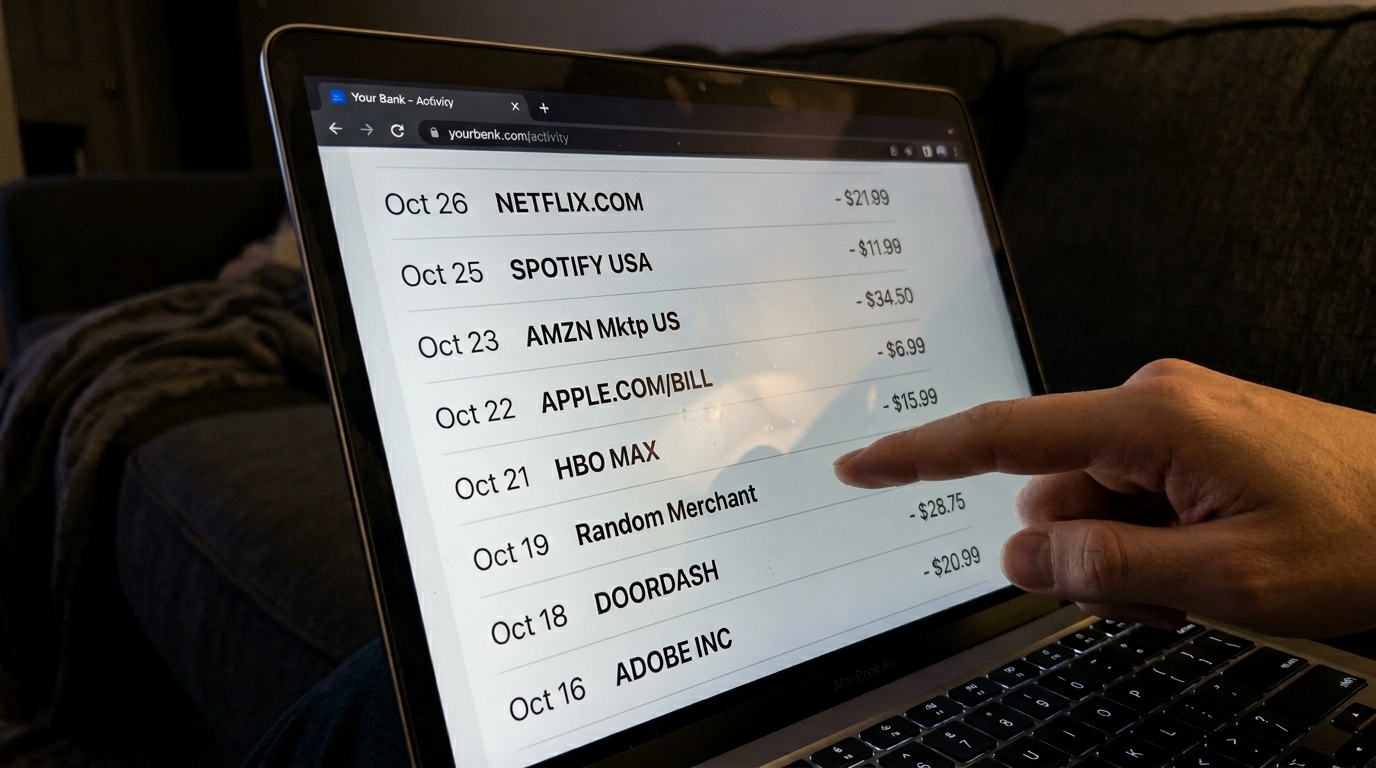
Most people find at least two or three subscriptions they forgot about. Search your email for “receipt,” “subscription,” and “billing.” You will uncover charges that never made it into your mental budget.

01
Cancel anything you haven’t used in 60 days

No exceptions. If you genuinely miss it after a month, resubscribe, often at a promotional rate. These companies built monthly billing specifically because most people won’t cancel even when they’ve stopped using the service.

For streaming: rotate instead of stacking. Subscribe to one service for two months, cancel, move to the next. Most households running three to five streaming services simultaneously could cut two without noticing.

Groceries

How to Cut Monthly Expenses on Groceries

Food is where most household budgets quietly bleed, and one of the fastest places to cut monthly expenses. It’s not one big purchase, it’s a hundred small decisions made while hungry and distracted.

The grocery store is engineered to make you spend more. The fix isn’t willpower, it’s a system.

Every impulse buy was planned by someone else

02
Meal plan before you shop, every single week

Five dinners planned. A list written from what you actually need. The alternative is buying ingredients for three meals, cooking one, and throwing out the rest. Most households waste a significant amount of food this way before they start planning.

03
Switch to store brands on staples

Canned goods, pasta, rice, oils, frozen vegetables, cleaning products, paper products. Switch about 15 staples to store brand versions. The savings per shop are modest. Across a year they are significant. Most people can’t taste the difference on the majority of them.

Shopping tip

Check your fridge and cupboards before every shop. The single most effective way to stop buying duplicates of things you already have.

Bills

How to Reduce Monthly Expenses on Bills

04
Negotiate or switch your recurring bills

Most people pay the same rate for internet, phone, and insurance for years without questioning it. Providers regularly offer better rates to new customers. Your loyalty means nothing to them financially.

Call your internet provider and ask what their current promotional rates are. If they won’t match, mention you’re considering switching. Insurance is worth shopping annually, NerdWallet makes comparison fast.

05
Build a small emergency buffer

Not having a buffer makes everything more expensive. A car repair that hits when your account is at zero becomes credit card debt at high interest. That same repair with $500 set aside is just an annoying Tuesday.

Even $25 a week transferred automatically on payday adds up to $1,300 in a year. The key word is automatic, before you can spend it.

Where to keep it

High-yield savings accounts pay meaningfully more than traditional bank savings. Ally, Marcus by Goldman Sachs, and SoFi are solid options.

Switch From Monthly to Weekly Budgeting to Cut Monthly Expenses Faster

Monthly budgets are easy to blow in the first two weeks and spend the rest of the month rationalizing. A weekly variable-spend limit creates a tighter feedback loop that most people find easier to stick to.

Pick one number for all your variable spending: groceries, fuel, dining, miscellaneous. Reset it every Monday. If you blow it by Wednesday, you feel it by Friday. That friction is useful, it is information about your actual habits that a monthly budget hides from you.

Common mistake

Setting your weekly limit based on what you wish you spent instead of what you actually spend. Look at three months of real data first. The honest number will probably be higher than you expect.

Apps that make this easier

YNAB

Best for people who want a real system. Forces you to budget proactively rather than track reactively.

Empower

Better if you also want to track investments and net worth alongside spending.

Copilot

Clean iOS app with excellent visual breakdowns. Good for people who find YNAB too intensive.

Mistakes

Common Mistakes to Skip

01
Cutting everything at once after a bad month

Canceling six subscriptions and switching to meal prepping every Sunday in a single panicked weekend sounds productive. In practice, almost nobody keeps all of it going after two weeks. One change at a time sticks. Six at once doesn’t.

02
Ignoring the small recurring charges

Six things at $8 a month is $576 a year. Individual charges get dismissed as not worth worrying about. They absolutely are when you add them up.

03
Not automating savings

Saving whatever is left at the end of the month means saving nothing, because there is never anything left. Treating savings like a bill you pay on payday is the only version that works.

04
Budgeting based on optimism instead of history

Setting grocery budgets based on what you think you should spend, not what you actually spent. Real data changes behavior. Aspirational targets don’t.


You don’t need to live smaller. You need to stop funding things you don’t value.

Learning how to lower monthly bills and reduce monthly expenses isn’t about restriction, it’s about redirecting. Every dollar you stop spending on a forgotten subscription or an unplanned grocery run is a dollar that can go somewhere that actually matters. The system above isn’t complicated. The hard part is just starting the audit. Once you see the numbers, the decisions usually make themselves.

Once you have expenses under control, the next step is making your savings work harder. The best high yield savings accounts in 2026 are paying over 4% APY. If you want a simple system for making savings happen automatically before you spend anything, the pay yourself first method is the easiest starting point. And if you want more structure for how you spend what is left, the cash envelope method works well alongside any expense-cutting effort. Not sure which system fits your situation? This guide to choosing the right budgeting method will point you in the right direction.