




Frugal Living Tips: 20 Habits That Actually Cut Your Cost of Living
Frugal living used to feel optional. For most households in 2026, it is not. According to Resume Now’s 2026 Cost-of-Living Crunch Report, 92% of Americans cut back spending in 2025, including on essentials like groceries and healthcare. Only 12% of workers say their wages have kept up with inflation.
That is not a fringe problem. That is most people.
The frugal living tips that actually work are not about extreme sacrifice or turning your life into a spreadsheet. They are about identifying the specific places your money is disappearing and building habits that stop the leak, category by category. These 20 are ranked within their category by dollar impact, not by how often they show up in Pinterest roundups.
Frugal Living Tips: Food and Groceries
Food is where most households have the most immediate room to move. It is a recurring expense, it compounds weekly, and unlike housing or car payments, it is genuinely flexible.
Monthly saving: $78 to $104
Households that meal plan consistently spend 15 to 20% less on food. On an average monthly grocery bill, that is $78 to $104 a month from one ten-minute habit per week. Plan five dinners before writing your list. Buy exactly what those five dinners need. Everything else is a decision you make in the store without a plan, which is where the money goes.
Monthly saving: $60 to $150
Store choice is the most underleveraged frugal living tip in this category. Most people shop at the closest or most familiar store and never reconsider it. Aldi prices average 14 to 40% lower than conventional supermarkets on comparable staples. For a household spending $500 a month on groceries, switching primary stores can save $80 to $150 before any other change is made.
Monthly saving: $60 to $120
The EPA estimates the average American wastes $728 per person per year on food they buy and never eat. That is $60 per person per month going directly into the bin. Do a fridge and pantry check before every shop. Build at least two meals around what needs to be used. The saving is immediate and requires no sacrifice.
For the full grocery savings system, 15 ways to save money on groceries covers every tactic ranked by monthly dollar impact.
Monthly saving: $80 to $200
Buying lunch out five days a week at even $10 a meal is $200 a month. Cooking slightly more at dinner and eating leftovers for lunch the next day eliminates that category almost entirely. This is one of the highest-impact frugal living tips because the saving is daily and compounds every week.
Frugal Living Tips: Subscriptions and Fixed Bills
Subscriptions are designed to be forgotten. The average American underestimates their monthly subscription spend significantly, and the companies that sell subscriptions know this and count on it.
Monthly saving: $30 to $150
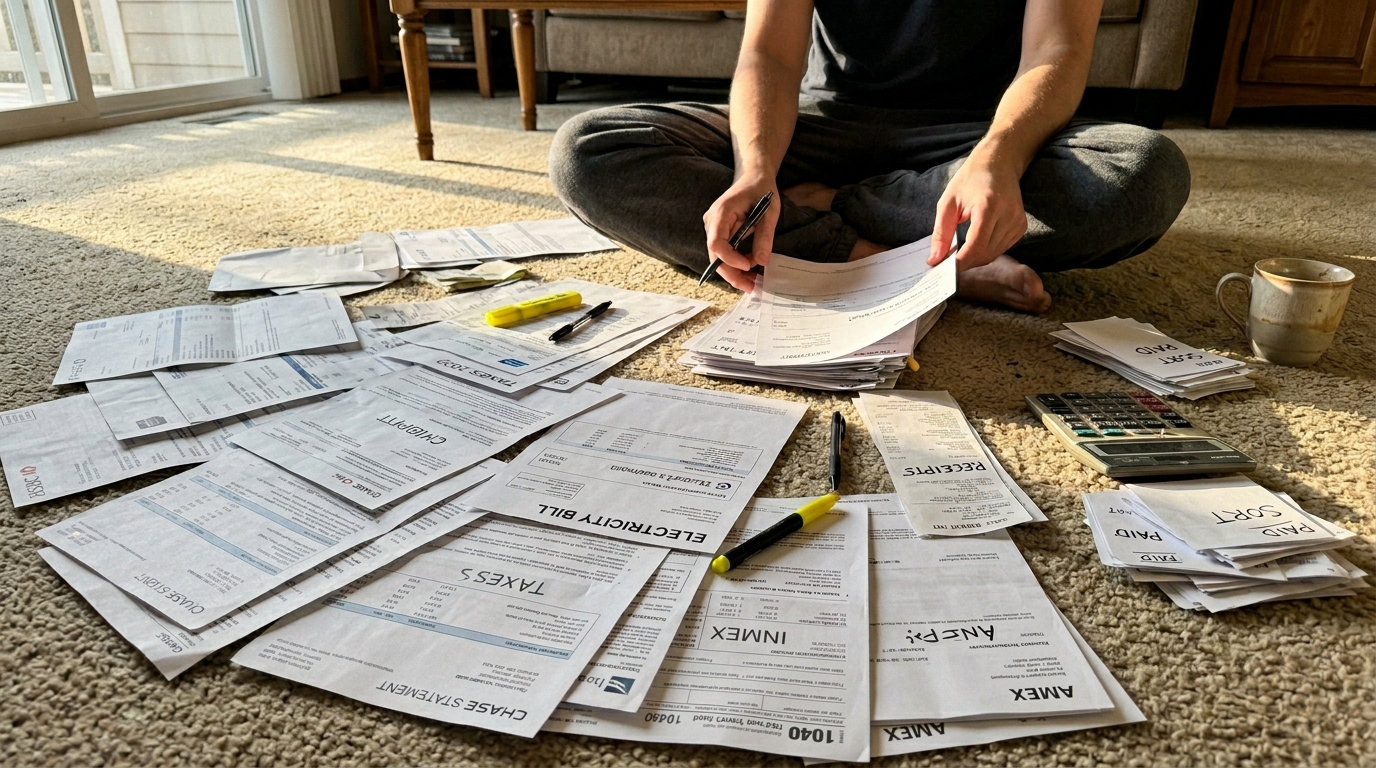
Pull up your last two bank and credit card statements. Highlight every recurring charge. List them out. Most people find three to six subscriptions they forgot they had or have not used in months. Cancel everything you have not actively used in the past 30 days. According to a BestMoney study cited by Yahoo Finance, cutting entertainment and subscriptions was one of the top ways Americans were saving money in 2026, with 60% of households making cuts in this category.
Monthly saving: $20 to $60
Internet and phone providers routinely offer lower rates to customers who call and ask, especially customers who have been with them for more than a year. Call retention, say you are looking at competitors’ pricing, ask what they can do. Most people who call get a discount of $15 to $40 per month applied immediately. It takes 20 minutes and the saving repeats every month.
Monthly saving: $15 to $50
Most households do not need four separate streaming services running simultaneously. Pick the two you actually use most and cancel the rest. Rotate them quarterly: subscribe to one for three months, cancel, subscribe to another. You get everything you want and pay for one service at a time instead of four.
Monthly saving: $20 to $60
Mint Mobile, Visible, and Consumer Cellular run on the same networks as the major carriers at 30 to 60% lower monthly cost. A plan that costs $80 a month with Verizon often costs $25 to $35 with Mint. For most people who use their phone for calls, texts, and data, the network quality is identical.
Frugal Living Tips: Housing and Utilities
Housing is the largest fixed expense for most households, consuming roughly one-third of the average American’s budget according to BLS Consumer Expenditure data. You cannot usually cut it dramatically, but you can reduce the variable costs around it.
Monthly saving: $10 to $30
The U.S. Department of Energy estimates you can save up to 10% per year on heating and cooling by lowering your thermostat 7 to 10 degrees for 8 hours a day. A programmable thermostat costs $20 to $30 and pays back within the first month.
Monthly saving: $5 to $20
About 90% of the energy used by a washing machine goes toward heating water. Switching to cold water for most loads reduces that energy cost significantly and does not affect cleaning performance for everyday laundry. Air drying eliminates dryer energy cost entirely for items that tolerate it.
Monthly saving: varies, potentially $50 to $300
If you are renting month-to-month or your lease is up for renewal, you have negotiating leverage you may not be using. Vacancy rates in many markets have risen in 2025 and 2026, and landlords are more willing to negotiate than they were two years ago. Ask for a rate reduction in exchange for signing a longer lease. The worst outcome is a no.
Frugal Living Tips: Everyday Spending Habits
Monthly saving: $50 to $200
When you want to buy something that is not on a list and not an essential, wait 48 hours before purchasing. Most impulse buys dissolve on their own within that window. The ones that survive 48 hours of consideration are genuine purchases you actually want. This single habit cuts non-essential spending for most people without requiring any budgeting system.
Monthly saving: $20 to $60
A 2% cashback card on $2,000 of monthly spending returns $40 a month, $480 a year, for no behavior change at all. The rule is strict: pay the balance in full every month. Any interest charge immediately wipes out months of cashback earnings. If you carry a balance, pay it off first, then use the card as a cashback tool.
Monthly saving: $30 to $100 when actively shopping
ThredUp, Poshmark, Facebook Marketplace, and local thrift stores sell clothing, furniture, and household items at 20 to 80% below retail. For non-urgent purchases, check secondhand sources first. Most people who build this habit find it shifts their default from “buy new” to “check used first,” which is the actual behavior change that saves money long-term.
Monthly saving: $40 to $120
Delivery fees, express shipping, pre-cut vegetables, single-serve packaging, airport food: all convenience charges you pay for proximity and immediacy. Most disappear with ten minutes of planning. Pack food before traveling. Order standard shipping. Buy whole vegetables. The saving is about paying for things on your terms rather than theirs.
Frugality applied to small things while ignoring large ones is a common mistake. Cutting your morning coffee saves $60 a month. Refinancing a high-interest loan or switching insurance providers can save $200 to $500 a month. Always prioritize the big levers before optimizing the small ones.
Frugal Living Tips: Financial Systems That Lock in Savings
Impact: builds the habit that makes all other frugal living tips stick
Set up an automatic transfer to a separate savings account for the same day your paycheck lands. Even $50 or $100 a paycheck, moved before you can spend it, builds a buffer that changes how you relate to money. What you do not see, you do not spend. Tools like Ally or Marcus make setting up automatic transfers straightforward and the accounts earn meaningful interest while the money sits.
Impact: shows you exactly where the leaks are
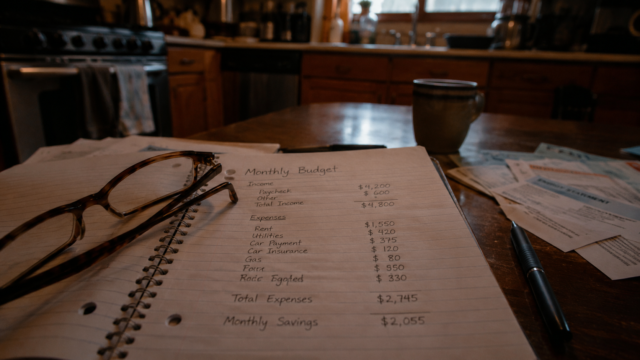
Most people think they know where their money goes. Most people are wrong by $300 to $500 a month. Tracking every transaction for 30 days using an app like Empower or a simple spreadsheet shows you the actual picture. You cannot cut what you cannot see, and this is the foundation for every other frugal living tip on this list.
Monthly saving: $50 to $150
Pick one weekend a month and commit to spending nothing beyond absolute essentials. Cook from what you have, find free entertainment, do not go near a store. One no-spend weekend a month saves most households $50 to $150, and the habit recalibrates your relationship with recreational spending.
Monthly saving: $30 to $150
Car insurance, renters insurance, and home insurance companies raise rates incrementally every year and count on most customers not shopping around. Spending 30 minutes once a year getting three quotes from competitors, then either switching or using those quotes to negotiate with your current provider, saves most households $30 to $150 a month. This is one of the highest-return frugal habits relative to the time it takes.
Monthly saving: $20 to $100 once learned
Basic car maintenance, minor home repairs, cooking specific cuisines: every skill you develop that replaces something you currently pay someone else to do saves money permanently. A skill you learn once keeps paying back for years. Pick one per quarter and build a slowly expanding capability set.
How to Actually Start Living More Frugally
Week one: do the subscription audit and track every transaction. Most people find $50 to $150 in forgotten subscriptions alone.
Week two: meal plan for the first time and do one grocery shop using that plan. Just shop with a list built from planned meals and see what happens to your bill.
Week three: call your internet or phone provider and ask for a better rate. Set up one automatic savings transfer, even if it is $25.
By week four you have four habits running and most households are $100 to $200 ahead of where they started without any meaningful sacrifice.
The frugal living tips that last are the ones that become invisible. The meal planning habit stops feeling like effort after six weeks. The automatic transfer stops feeling like a sacrifice after two months. Stack these habits gradually and the cumulative saving is significant without the cumulative cost of willpower.
Frugal living covers spending. If you also want to address income, 12 best side hustles from home covers the earning side of the same problem. And if monthly expenses feel like they are structured wrong, how to cut monthly expenses goes category by category through your fixed costs.
Frugal Living Is a System, Not a Personality
You do not have to want to be frugal. You just have to want what frugal living gets you: more money left at the end of the month, less financial stress, and the ability to make decisions based on what you actually want rather than what you can barely afford. The habits above are not about deprivation. They are about deciding where your money goes before someone else decides for you.
Start with the subscription audit and the meal plan. Everything else builds from there.