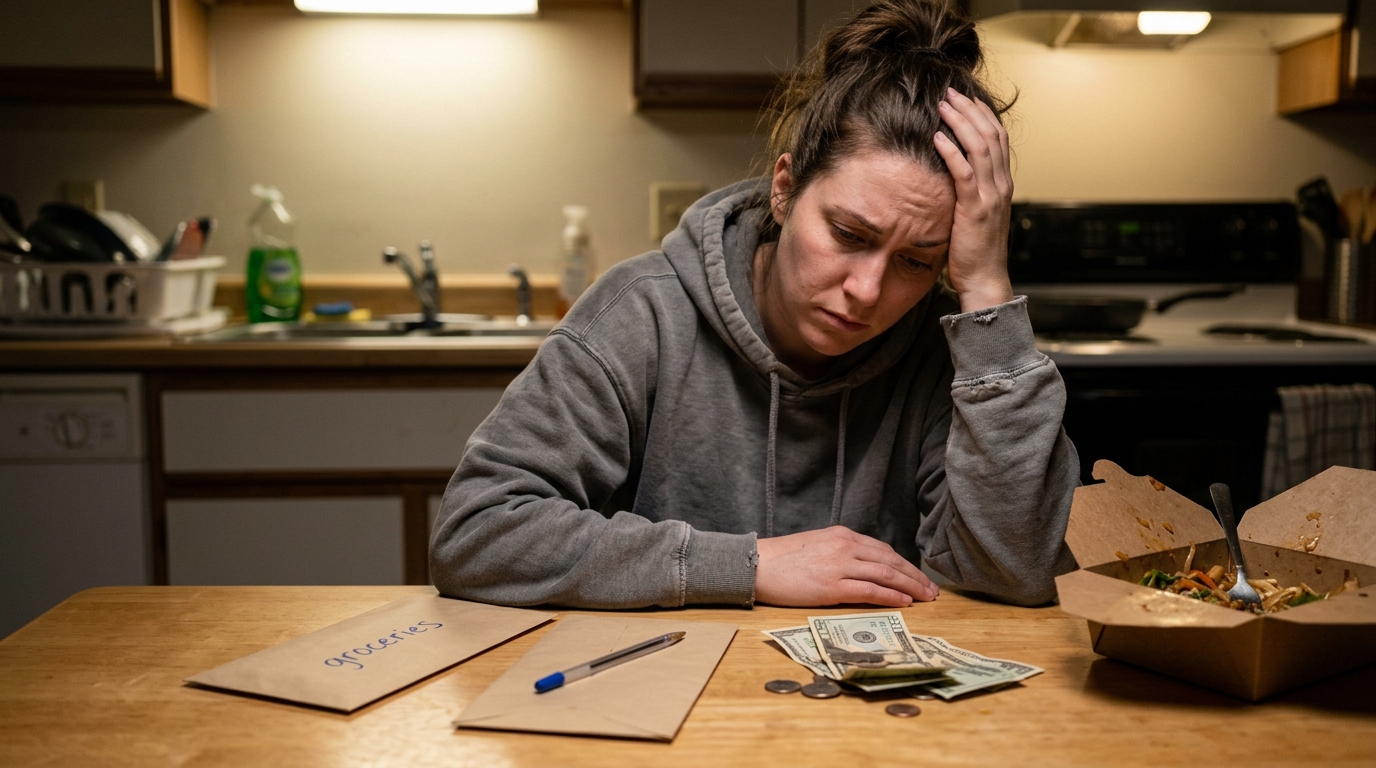

Most people try the cash envelope method more than once before it actually works.
The first attempts usually end within two weeks. Not because the system doesn’t work. It does. The problem is forgetting envelopes at home, feeling awkward counting out cash at the register, and getting completely stuck when something needs to be bought online.
There’s a version that solves all of this: the same system, same psychology, different tools. No physical cash required.
This is that version.
The cash envelope method is a budgeting system where you divide your spending money into physical envelopes by category. When an envelope is empty, you stop spending. You can run the same system digitally using a separate checking account or a budgeting app. No cash required.
What the Cash Envelope Method Actually Is
The cash envelope method is a budgeting system built around one simple constraint: when the money in an envelope is gone, you stop spending in that category. No exceptions.
At the start of each month or pay period, you withdraw cash and divide it into labeled envelopes. One for groceries. One for eating out. One for gas. One for entertainment. Whatever categories matter for your budget.
When you spend, you pull from the envelope. When the envelope is empty, you’re done spending in that category until next month. No transfers, no “I’ll pay myself back.”
The cash envelope method works because cash is painful in a way that swiping a card is not. Research from MIT found that people spend significantly more when paying by card versus cash. The physical act of handing over money activates the part of the brain associated with loss, which slows you down.
The problem is that most people’s lives in 2025 aren’t set up for cash. According to the Federal Reserve’s 2025 Diary of Consumer Payment Choice, cash now accounts for just 14% of all U.S. consumer payments, down from 31% when the study began in 2016.
Nearly two-thirds of all cash payments are made by people who actually prefer other methods but use cash as a backup. So if you hate carrying cash, you’re not weird. You’re just in the majority. And you can still use the cash envelope method.
Step-by-Step: How to Set Up the Cash Envelope Method
The envelope method only applies to spending you actually control month to month. Rent, loan payments, subscriptions: those are fixed, leave them alone. The envelopes are for the categories where you consistently overspend.
Common categories: groceries, eating out, gas, entertainment, clothing, personal care, household items. Start with three to five. You can always add more once the system is running.
Don’t guess. Pull up your last two or three months of bank or credit card statements and look at what you actually spent. Then decide if that number is what you want to keep, or if you’re cutting it.
Be honest. If you spent $600 on groceries last month and you budget $200 this month, you will fail. Cut by 10 to 20% from your actual number, not from what you wish you spent.
If you get paid monthly, fund everything on payday. If you get paid every two weeks, split each category amount in half and fund twice a month. The important thing is that you fund all envelopes at once, at the same time, every single time. Not when you feel like you need to spend.
This is the only rule that actually matters. When the groceries envelope is empty, you don’t borrow from the eating out envelope. You eat what’s already in the house. That friction is the whole point.
At the end of the month, you have two options. Roll the leftover into next month’s envelope for that category, or move it to savings. Both are fine. Pick one and be consistent. A common approach: roll leftover groceries money forward and sweep everything else to savings.
How to Do the Cash Envelope Method Without Cash
This is the question Google is full of and most answers get wrong. They tell you to “just use an app” without explaining how to replicate the core mechanic: the money is gone when it’s gone.
There are two methods that actually work.
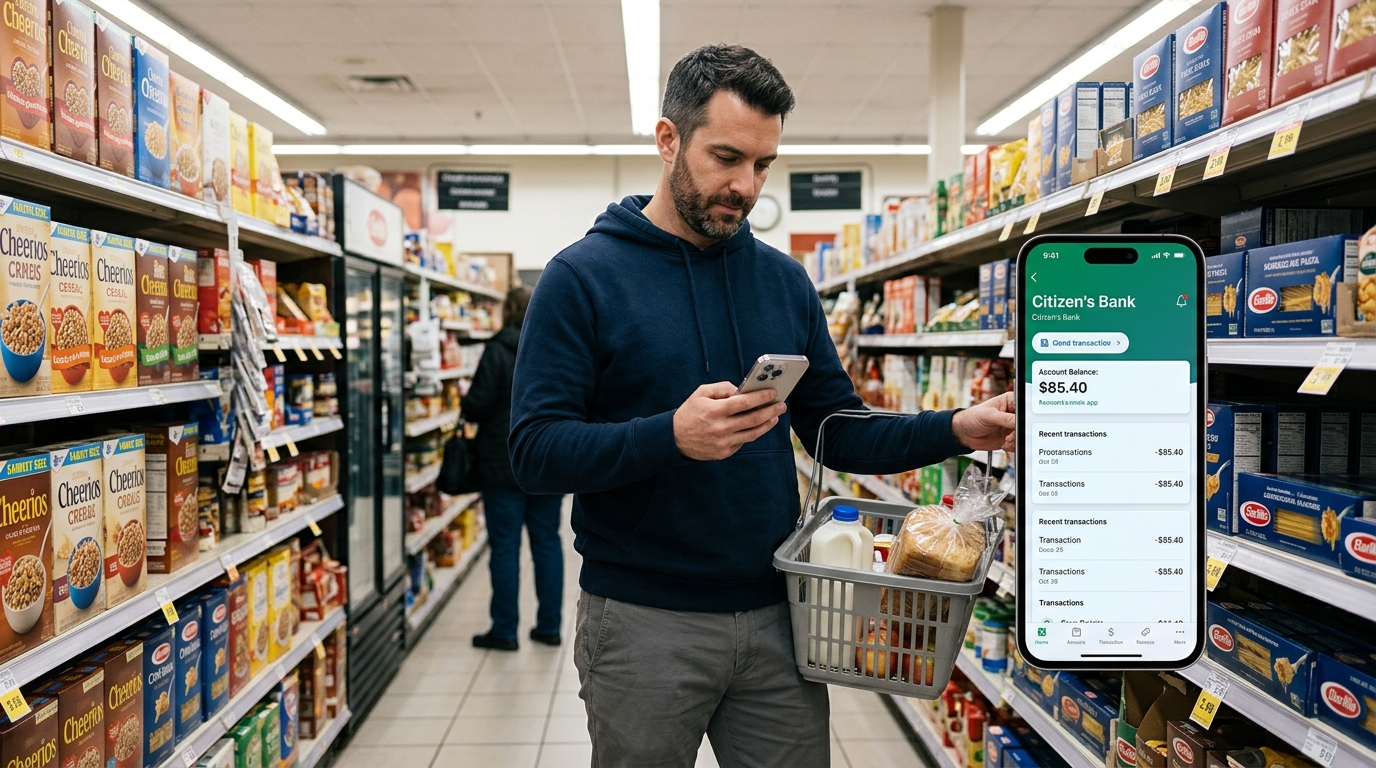
Method 1: The Separate Checking Account
Open a second free checking account. Most banks offer this. At the start of the month, transfer your total variable spending budget into it. That account is your envelope wallet. When the balance hits zero, you stop spending on discretionary items until next month.
The advantage: it uses real money with real limits. The friction of checking the balance before spending is similar to counting cash. It works best if you get a separate debit card for this account and only carry that card when you’re doing discretionary spending.
Ally Bank and SoFi both offer free checking with no minimums and easy transfers. If you want to go further, Ally lets you create savings “buckets,” essentially labeled sub-accounts, that mimic envelopes almost exactly.
Method 2: A Zero-Based Budgeting App
Apps like YNAB (You Need A Budget) are built entirely around the envelope concept, just digitally. Every dollar you earn gets assigned to a category. When a category is empty, you have to consciously move money from another one, which creates the same friction as borrowing from a physical envelope.
YNAB costs money ($109/year or $14.99/month at current pricing). If you don’t want to pay, Goodbudget has a free tier that uses a digital envelope system without connecting to your bank account. You enter transactions manually, which actually adds to the awareness.
The app-only approach can fail if you don’t actually check the app before spending. The physical cash version works partly because you can see and feel the money. With an app, you have to build the habit of looking first. Give yourself a phone reminder before grocery runs for the first month.
Physical Cash vs Digital: Which Version Should You Use?
| Physical Cash | Separate Account | Budgeting App | |
|---|---|---|---|
| Friction level | Highest | Medium | Low |
| Works for online shopping | No | Yes | Yes |
| Cost | Free | Free | Free to $109/yr |
| Best for | Severe overspenders | Most people | Detail-oriented types |
| Setup time | 20 minutes | 1 to 2 days (account opening) | 30 to 60 minutes |
The honest take: the separate checking account method is the best starting point for most people. It uses real money with real limits, works everywhere including online, costs nothing, and doesn’t require learning new software. If you want more granular category tracking, layer an app on top later.
Why People Quit the Cash Envelope Method (And How to Not Do That)
Problem: “I keep forgetting to check my balance before spending”
Set a phone alarm for 8am on the day you typically grocery shop. Label it “Check envelope balance.” Do it for 30 days until it’s automatic. This is not a willpower problem, it’s a habit design problem.
Problem: “I went over in one category so I gave up entirely”
Going over in a category is not failure. It’s data. Note which category you blew, ask yourself why. Was the budget number unrealistic, or did something unexpected happen? Adjust next month. The goal is not perfection in month one. The goal is building awareness.
Problem: “I don’t know what to do when a big unexpected expense comes up”
This is what a miscellaneous or buffer envelope is for. Include a small one, $50 to $100, in your setup. For genuinely large unexpected expenses, that’s what an emergency fund handles. The envelope system is not a substitute for having savings.
Problem: “My partner doesn’t want to do it”
Don’t force the whole system on a resistant partner. Start by running the envelopes only for your own discretionary spending, the stuff you control personally. Once they see results, they often come around. Forcing a budgeting system on someone who doesn’t buy in almost always ends in abandonment.
Is the Cash Envelope Method Worth Trying?
Yes, with one condition. You have to pick a version you’ll actually stick to.
If carrying physical cash fits your life, use it. The tactile friction is real and it works. If you live mostly cashless like the majority of Americans, use the separate account method. Same principle, different container.
The people who fail with this system don’t fail because the system is broken. They fail because they try to force the physical cash version on a life that isn’t built for it, hit friction, and quit. Don’t do that.
Start this weekend: pull up two months of bank statements, identify your top three overspending categories, set a number for each, and open a second checking account or download Goodbudget. You can be running the cash envelope method by Monday.
If you want to pair this with a system that handles savings automatically, the pay yourself first method works well alongside the cash envelope method. Automate savings on payday, then use envelopes for what you spend what’s left.